Key Points
- Seasonal Pond Maintenance Ensures Year-Round Health: Regular cleaning, debris removal, and water quality testing in each season help maintain a balanced pond ecosystem, preventing algae blooms and erosion.
- Manage Water Levels and Vegetation for Optimal Conditions: Monitor water levels in summer to prevent drying and overflow issues. Trim invasive plants like cattails and control algae to support fish and wildlife.
- Prepare for Winter to Protect Your Pond’s Structure: Remove dead vegetation, inspect the dam and spillway for erosion, and ensure overflow pipes function properly to prevent damage during colder months.
Pond Perfection: Year-Round Maintenance That Pays Off
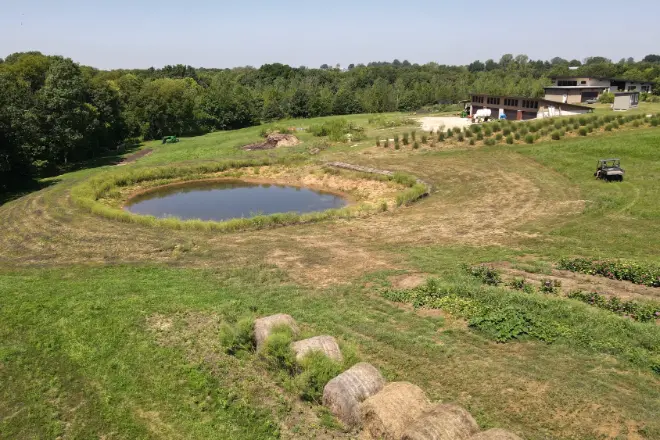
Do you feel like your pond looks its best in the spring but struggles through the rest of the year?
Or maybe you’ve noticed some areas around your pond starting to show wear and tear, like erosion or overgrown vegetation?
Keeping a pond in great shape throughout the changing seasons can be tricky, but with the right care, your pond can stay beautiful and functional all year long.
In this post, we’re diving into the must-know seasonal maintenance tasks you should be doing to keep your acreage pond looking its best from spring to winter.
Whether it’s managing water levels in summer, prepping for the winter chill, or preventing erosion on your pond banks, we’ve got you covered.
By following these essential tips, you’ll help maintain a healthy ecosystem for the plants and wildlife living in your pond—and enjoy its beauty year-round.
Ready to get started?
If you want professional acreage pond cleaning help or advice, don’t hesitate to reach out to Bulletproof Pond and Lake—just give us a call or fill out the contact form to make sure your pond stays in top condition!
Pond Management Tips for All Seasons
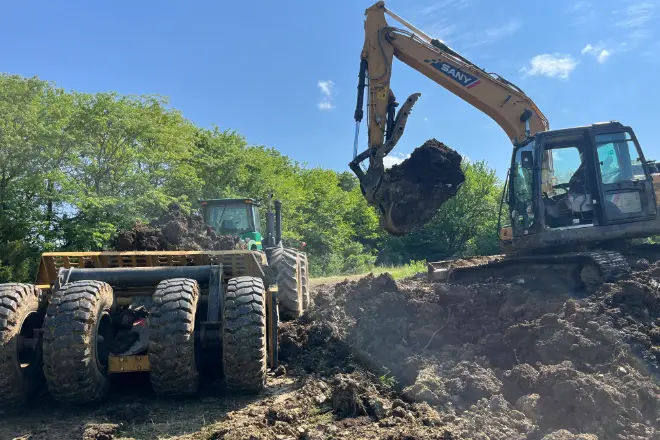
Maintaining a beautiful pond year-round takes more than just occasional cleaning.
Each season presents its own set of challenges and opportunities for pond care.
By staying on top of seasonal tasks, you can keep your pond thriving and looking great.
Spring Maintenance
As the weather warms up, spring is the perfect time to give your pond the attention it needs to thrive throughout the year.
These tasks will help prevent buildup and prepare your pond for a season of growth and activity.
Clearing Debris
Winter weather often leaves behind fallen branches, leaves, and other debris in your pond.
Removing this organic material is one of the most important tasks for early spring.
- Prevent Muck Build-Up: Leftover organic material can decompose and contribute to excess muck in the pond, which harms water quality.
- Promote Healthy Water: Removing debris helps maintain oxygen levels and supports a healthy environment for fish and plants.
- Pond Cleaning Services: If you’re not able to do this yourself, professional pond cleaning services can help clear out muck and debris effectively.
Vegetation Control
Spring is when plants start to grow back.
It’s crucial to assess the aquatic vegetation in your pond to prevent unwanted growth that can disrupt your ecology.
- Control Algae: Algae blooms are common in early spring, and controlling them is key to maintaining water clarity.
- Remove Invasive Plants: Aquatic plants like cattails and submerged weeds can take over your pond and harm your ecosystem.
- Maintain a Balanced Ecosystem: Keep a mix of beneficial plants that support fish and other wildlife while avoiding overcrowding.
Water Quality Testing
Water quality is essential for your pond’s health.
Spring is the best time to test your pond’s water chemistry and make any adjustments if necessary.
- Test pH, Oxygen, and Nutrients: Monitoring these levels helps ensure your pond stays healthy throughout the year.
- Avoid Nutrient Imbalance: Too many nutrients can cause algae blooms and poor water quality, which harm your water feature.
- Ensure Healthy Fish and Plants: Testing and adjusting water quality gives your pond the best start for a thriving ecosystem.
Summer Maintenance
As temperatures rise and your pond becomes more active, it’s time to focus on maintaining optimal conditions for the summer months.
With proper care, your pond can remain healthy and thriving throughout the hot season.
Water Levels
Hot summer days can quickly cause water levels to drop due to evaporation, so it’s essential to regularly monitor and manage your pond’s water.
- Check for Water Loss: Regularly check the water levels, especially during heat waves, to ensure the pond doesn’t get too low.
- Check the Pond Overflow System: Keep an eye on the pond overflow system to ensure it is still functioning properly, especially during summer storms that might overflow your pond. Follow the link to learn more about the importance of a pond overflow system and how it works.
Vegetation Management
Summer is the season when aquatic plants really start to grow.
Proper management is needed to prevent them from taking over your pond and blocking water flow.
- Trim Overgrown Plants: Regularly trim and remove invasive species like lily pads or cattails, which can harm your pond’s ecosystem and water features.
- Balance Plant Growth: Ensure that your pond has a balance of aquatic plants to create a healthy environment for fish and other wildlife. Overgrowth can lead to oxygen depletion and poor water quality.
- Manage Algae: Control algae growth by minimizing excess nutrients that could lead to overgrowth. Algae blooms reduce water clarity, making it harder to enjoy your water feature.
Algae Management
With warmer temperatures, algae growth becomes a common problem.
Here’s how you can manage it:
- Control Nutrients: Ensure that nutrient levels in the pond don’t spike, as this can fuel algae blooms. Limit fertilizer runoff from the surrounding land.
- Keep Debris Out: Remove organic material, such as dead plants and leaves, that can decompose and contribute to excess nutrients in the water.
- Regular Pond Cleaning: If algae blooms are persistent, professional pond cleaning services can help clear excess algae and restore water quality.
Fall/Winter Maintenance
As the temperature begins to drop, it’s important to prepare your pond for the cold months ahead.
Fall and winter maintenance is essential to ensure that your pond survives the season and stays healthy for the spring.
Preparing for Winter
Before the cold really sets in, there are a few important tasks to get your pond ready for winter.
- Remove Dead Plants: Cut back and remove any dead plants and organic matter. If left in the pond, they can decompose and negatively affect water quality.
- Trim Back Vegetation: Trim overgrown plants that might freeze and disrupt the balance of your pond. This helps prevent unwanted vegetation from taking over during the winter months.
- Pond Cleaning: Regular pond cleaning services can be helpful to ensure that your pond is free of debris and organic material that can contribute to muck buildup.
Autumn Clean-Up
In addition to preparing for the colder weather, fall clean-up is necessary to remove fallen leaves and other debris that could affect water quality.
- Clear Fallen Leaves and Debris: Leaves and branches can accumulate in your pond, contributing to muck and organic material that could cause water quality issues.
- Prevent Decomposition: By removing organic material, you help prevent it from decomposing and releasing excess nutrients into the water, which could encourage algae growth.
Check Dam and Spillway
The dam and spillway are crucial in managing water levels during the colder months.
It’s important to inspect them before winter sets in.
- Inspect for Erosion: Check the dam and spillway for any signs of erosion or damage. If left unchecked, these issues can worsen during the winter months, potentially leading to leaks.
- Clear the Spillway: Ensure that the spillway is clear and functioning properly to manage winter rains and snowmelt. This prevents overflow and damage to the pond structure.
Pond Dam Maintenance
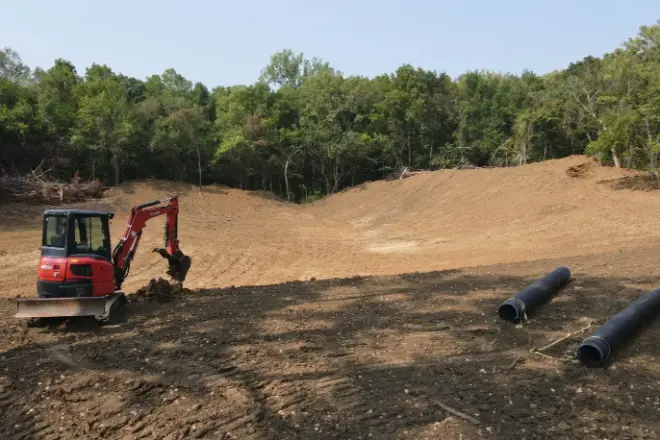
Maintaining the integrity of your pond’s dam is just as important as keeping the water clean.
Follow the link if you need to learn how to rebuild a pond dam.
A well-maintained dam ensures your pond remains stable, preventing costly repairs and preserving the health of the ecosystem.
Regular checks and care can help you avoid serious issues, especially when winter rains or spring floods arrive.
Here’s what you need to know about pond dam maintenance.
Assessing the Dam’s Condition
Inspecting your pond’s dam regularly is key to identifying potential problems before they escalate into major repairs.
Early detection of issues will save time and money in the long run.
- Check for Cracks: Regularly inspect the dam for visible cracks, which could lead to leaks. Small cracks should be addressed immediately to prevent further damage.
- Look for Erosion: Erosion near the base of the dam is a significant concern. It can weaken the dam’s structure and cause it to fail if not properly managed.
- Check Water Flow: Ensure the water is flowing properly over the dam and spillway. Excessive water pressure can cause structural damage to the dam over time.
Regular Dam Inspections and Maintenance
Routine maintenance and inspection are essential to keeping your dam in good shape.
If the dam and spillway are not functioning properly, it can lead to overflow or erosion.
- Clear the Spillway: Inspect the spillway for blockages, such as fallen leaves, debris, or sediment buildup. A clogged spillway can cause water to back up and increase pressure on the dam.
- Check Overflow Pipes: Ensure that overflow pipes are clear and functioning well. These pipes are crucial for maintaining proper water levels and preventing overflows that could harm the dam structure.
- Pond Maintenance Services: Professional pond maintenance services can help with these tasks, ensuring that everything is working as it should and addressing issues before they become serious problems.
Preventing Erosion and Damage
Knowing how to prevent soil erosion around the dam is essential for its longevity.
Erosion can occur from water flow or even from burrowing animals like beavers, which can weaken the structure.
- Vegetation Control: Avoid planting deep-rooted trees and shrubs near the dam. Their roots can destabilize the structure and lead to erosion. Managing vegetation around the dam is a key part of pond dam maintenance.
- Wildlife Management: Beavers and other animals can burrow into the dam, weakening its structure. Regularly check for signs of burrowing and take measures to address these threats to prevent structural damage.
Keep Your Pond Thriving with Bulletproof Pond and Lake
By following these seasonal pond maintenance tips, you’ll ensure your water feature stays healthy and beautiful all year long.
Proper care, from clearing debris to inspecting the dam, is essential to maintaining a balanced ecosystem and preventing costly repairs.
If managing your pond feels overwhelming, the acreage pond contractors at Bulletproof Pond and Lake are here to help.
Whether you need pond cleaning or dam repairs, we specialize in keeping your acreage pond in top condition so you can enjoy it without the hassle.