Pond, Lake, Dam and Wetland Repair and Renovation in Kansas, Missouri and Beyond

Fix the cause,
not just the symptoms.

When a pond, lake or wetland is leaking, losing depth or wearing away at the banks, our specialists find out why before anything is dug. Then we repair the dam, overflow, liner, shoreline or drainage with the method that fits your water, often without draining it, so the fish and habitat you already have can stay.

Talk with a pond and lake repair specialist for free by phone. Based in Basehor, Kansas, repairing ponds, lakes and wetlands across the Kansas City area, Kansas, Missouri and the continental United States since 2019.

Cause firstA specialist inspects and evaluates your pond on site, backed by borings, LiDAR mapping and lab testing, before a repair is chosen
Keep the waterMany pond, lake and dam repairs and renovations need only a few feet of drawdown, even when both are done in one project. When the basin is the issue, options like a storage pond can hold your water during the work
Our own dam fixInvented in-house in 2023 by our founder, Ryan Cowart, the Bulletproof Vertical Core Liner Method is the closest option to a waterproof solution for a leaking dam, and often more economical and less invasive than traditional repairs
Specialists in practiceFounded in 2019 with ponds and lakes as our one specialty, and foremen bringing 15+ years of individual experience. Why it matters
Repair, Renovate or Expand

Pond and Lake Repair, Renovation and Expansion, Built Around Your Water

Some owners call us because something is wrong. Others are ready to bring an aging pond back, restore its depth or turn it into a lake. We handle all of it, often in the same project, planned around how you want to use your water.

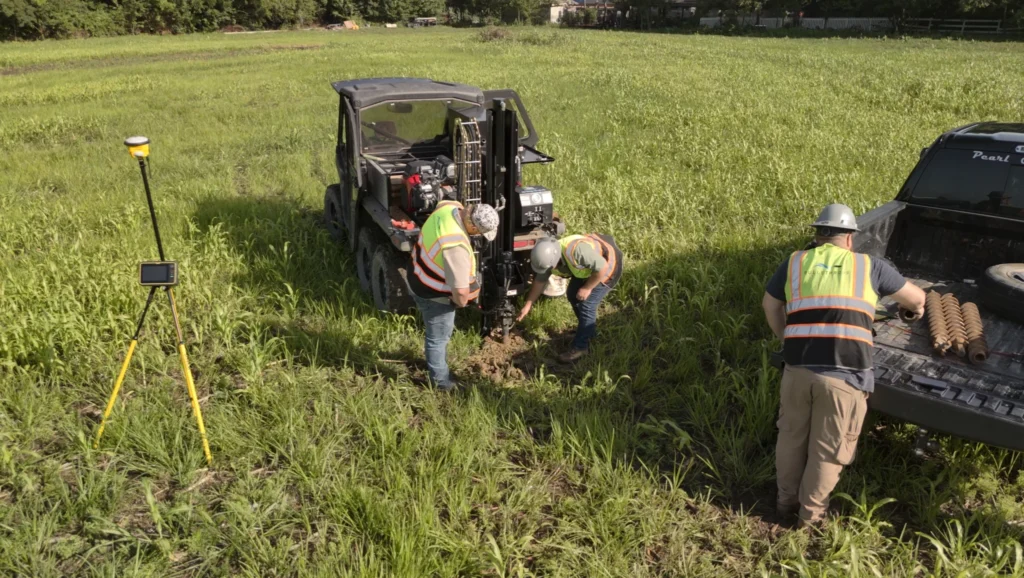
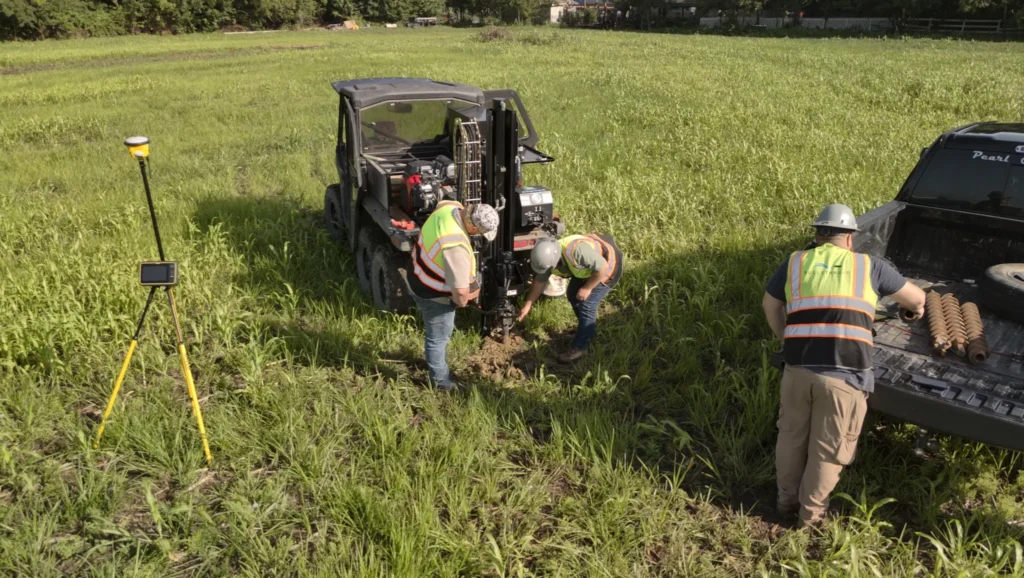
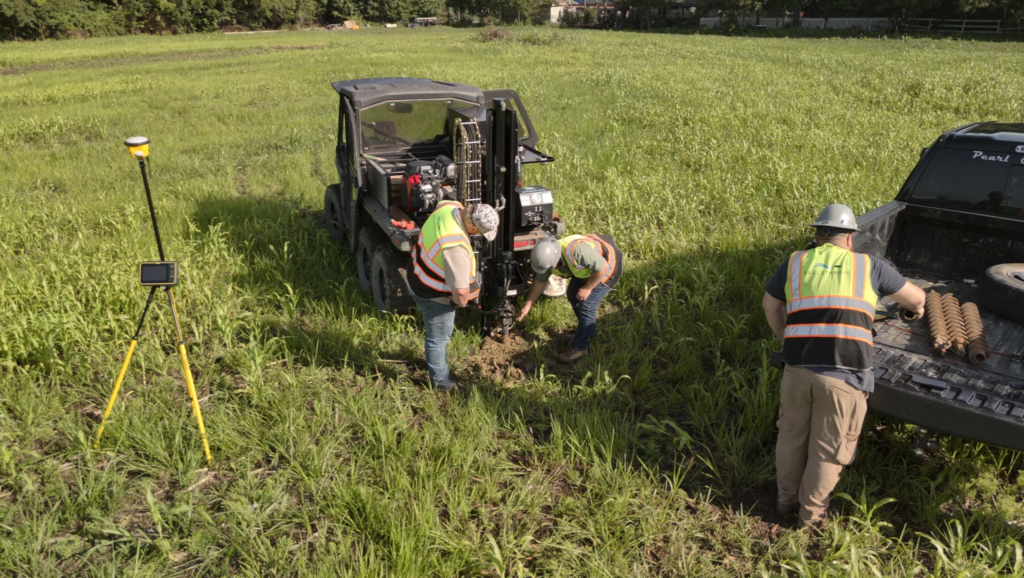
Bulletproof Pond and Lake crew pulling soil boring core samples with a drill rig for pond construction in Liberty, Missouri

Diagnostics and Planning

On-site evaluation, LiDAR mapping, bathymetry and sonar mapping, water level monitoring, lab-tested soil borings and Civil 3D planning to find the cause and lessen your risk.

Read about risk management →

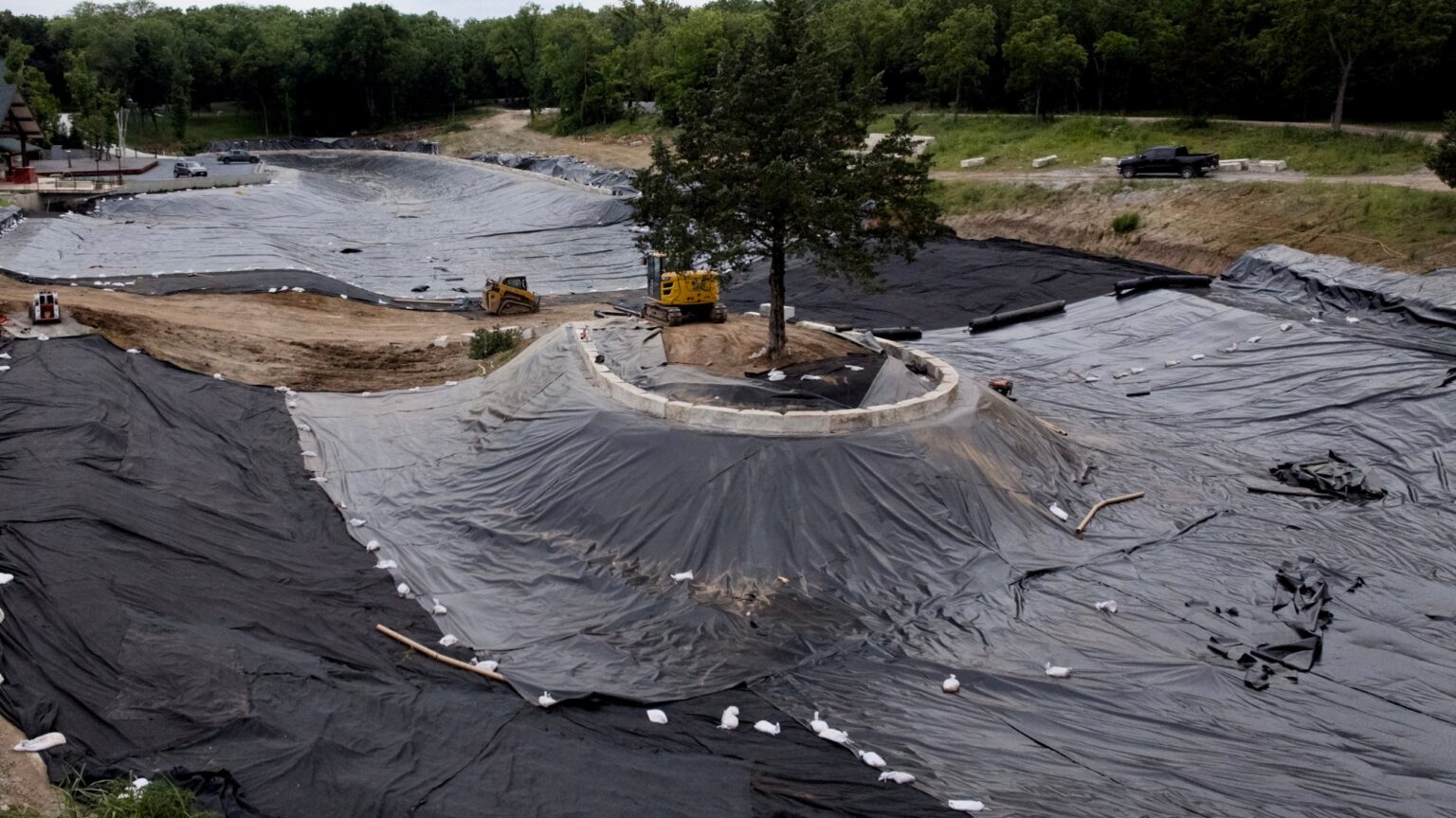
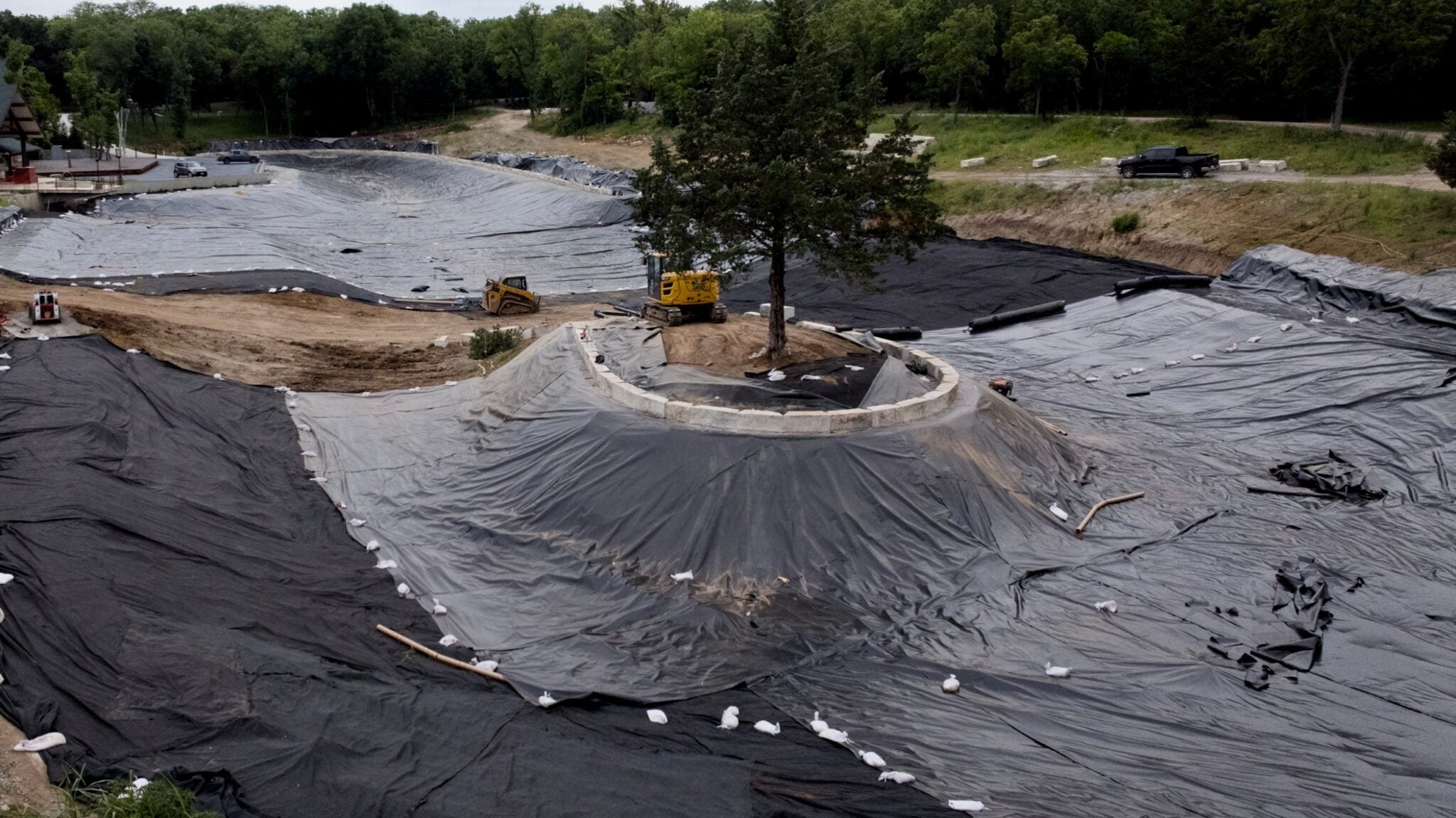
Bulletproof Pond & Lake crew installing a heavy-duty reinforced LLDPE pond liner over underlayment around a tree-topped peninsula at a private resort pond in Olathe, Kansas

Pond and Lake Repair

Dam leaks, heavy-duty plastic and clay liners, overflows and shoreline erosion, fixed at the cause and often without draining.

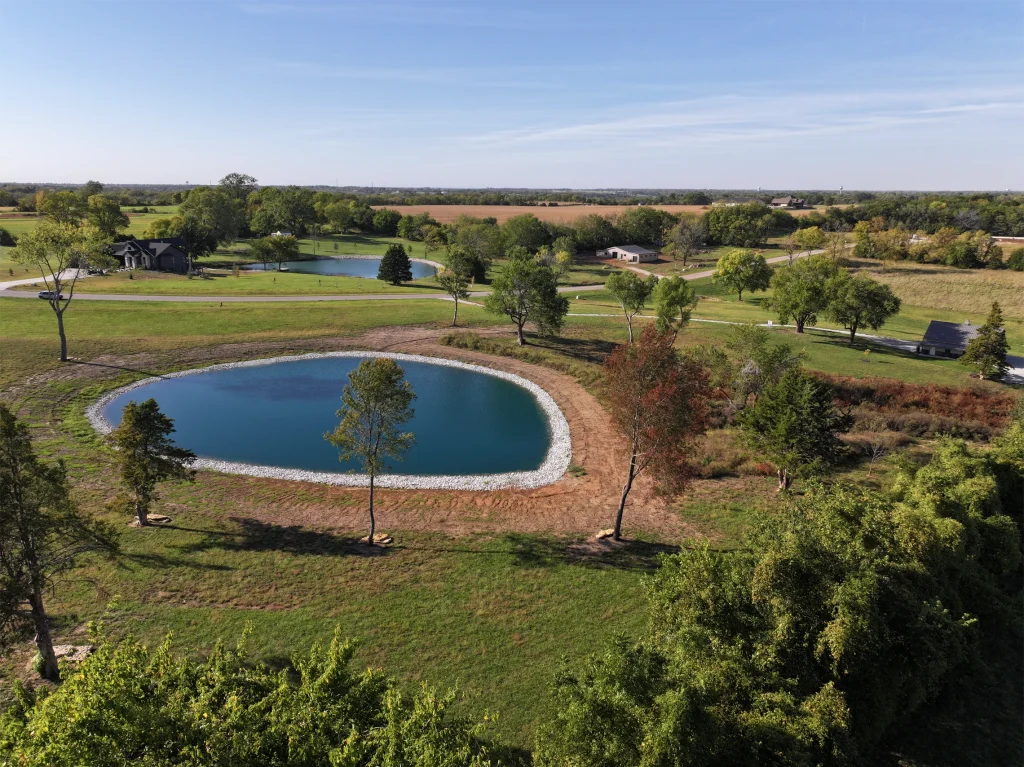
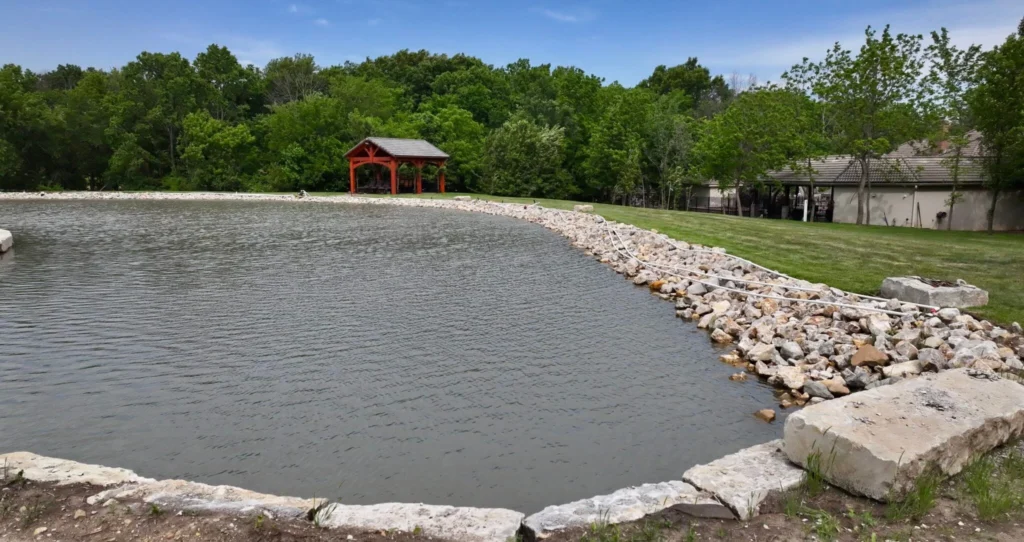
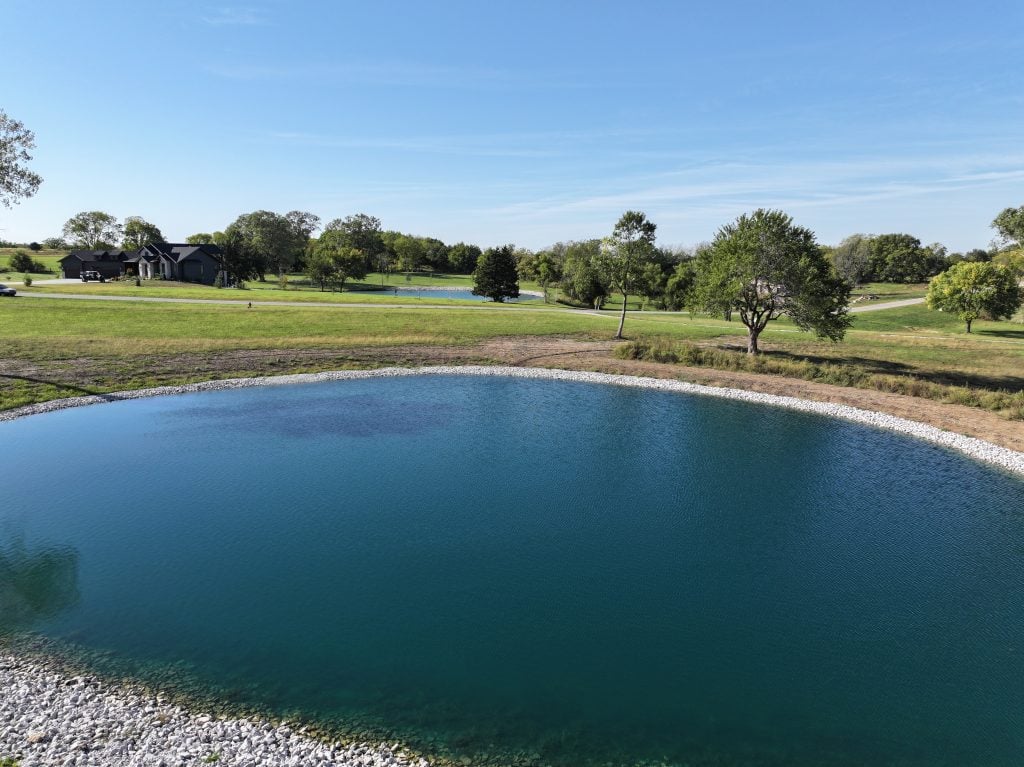
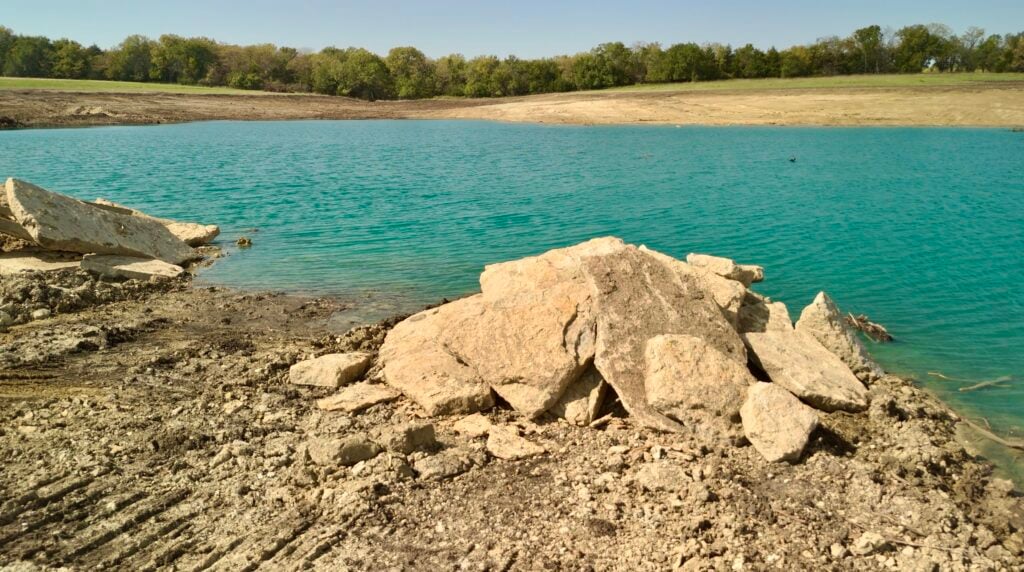
Newly renovated acreage pond in Grain Valley, MO, featuring a clean rock-lined edge, surrounded by lush greenery and a scenic rural landscape, designed by Bulletproof Pond and Lake.

Pond Renovation and Cleanouts

Dredging with various methods, in sections or all at once, plus depth restoration and full makeovers that bring an aging pond or lake back to life.

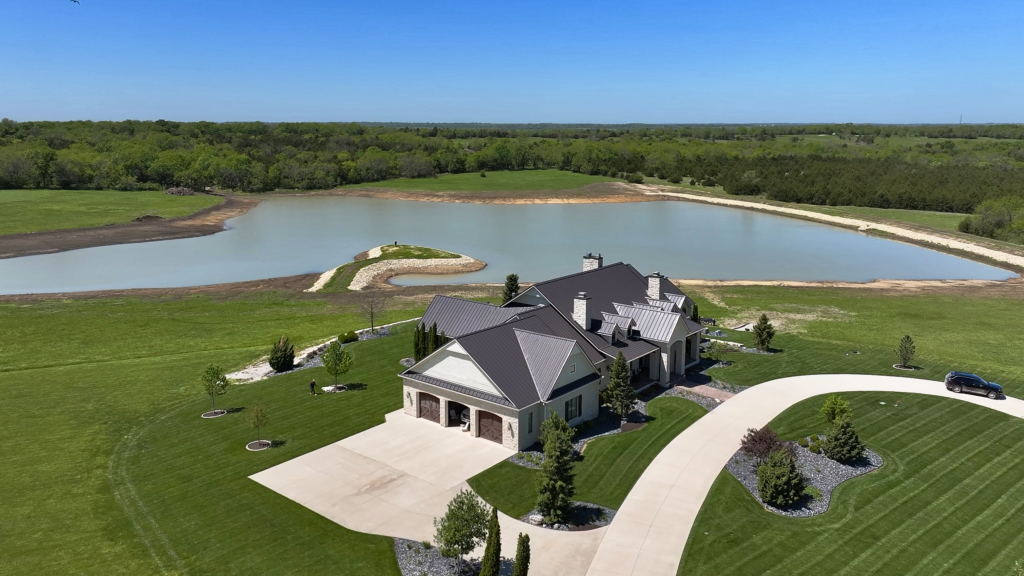
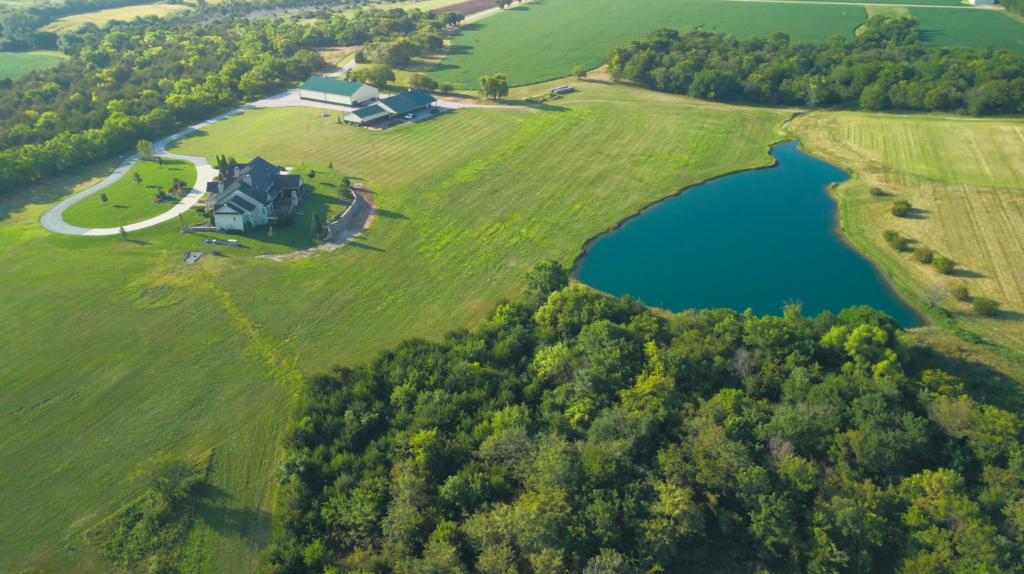
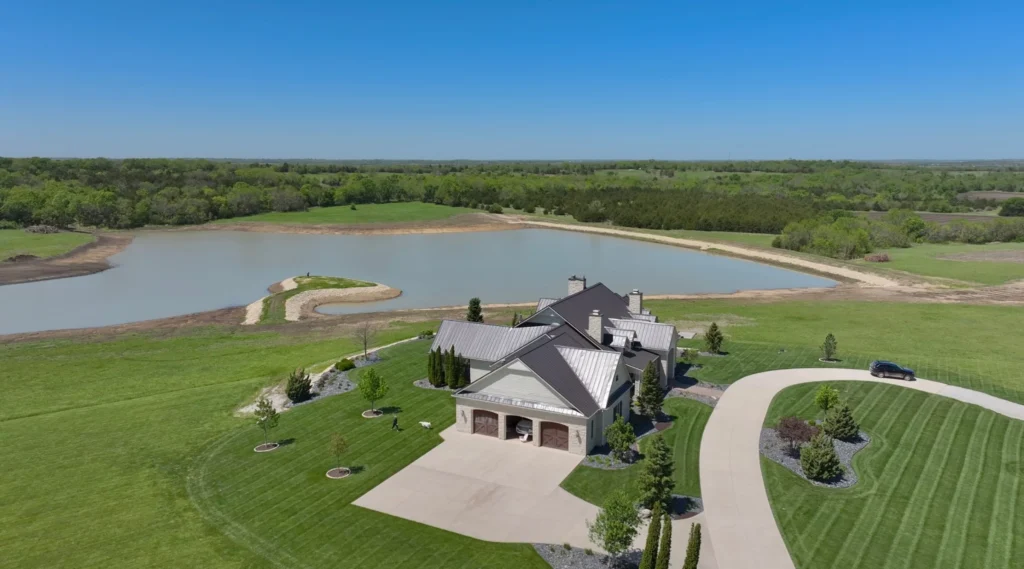
Aerial view of a large modern farmhouse home overlooking a nearly 12-acre expanded lake with a riprap-lined peninsula and riprap dam in Melvern, Kansas

Pond and Lake Expansion

Grow a pond into a larger pond or lake, often keeping the fish and habitat you already have.

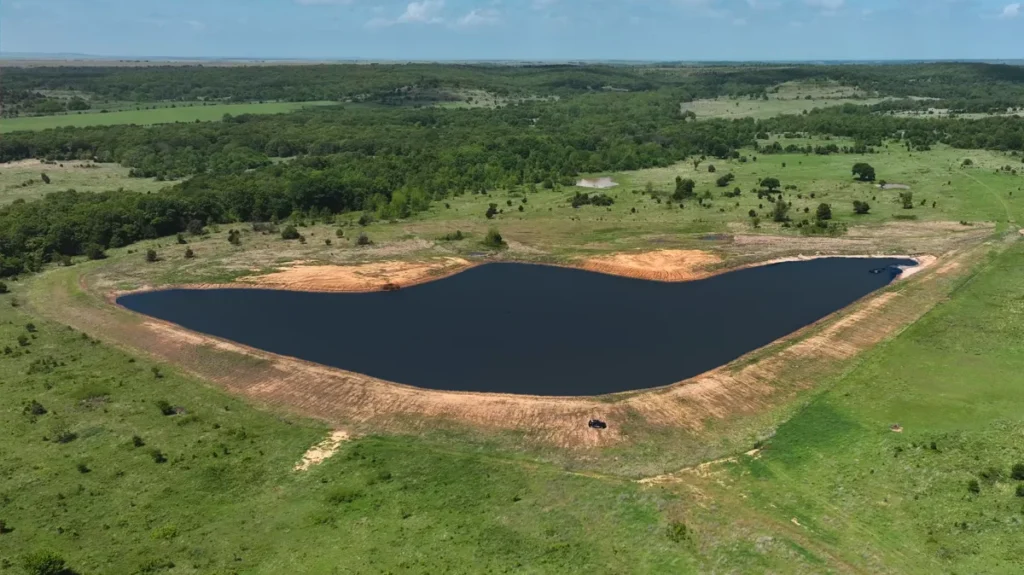
10-acre duck lake and wetlands construction in Oklahoma by Bulletproof Pond and Lake

Wetland Rebuilds and Expansion

Wetland expansions and rebuilds, including silted-in basins and faulty drainage systems.

Looking for new pond and lake construction?

We design and build new ponds and lakes too, from LiDAR mapping and soil testing to the finished waterfront.

Warning Signs

Signs Your Pond or Lake Needs Repair

Most problems show up well before a pond or lake fails. Catching them early usually means more repair options, less disruption and a smaller repair.

Water level keeps dropping

It falls faster than evaporation explains, keeps falling in cool or rainy weather, or fills during heavy rain, then drops fast or seeps back down to the same level.

Wet spots behind the dam

Soggy ground, cattails or standing water on the back slope or at the toe of the dam often means water is finding a path through it.

Sometimes it's a spring rather than a leak, though more often it is a leak. If it's a spring, depending on how you use your pond or lake, a water management system can be installed to dry out the back of the dam so you can access and maintain it again.

Sinkholes and low spots

A sinkhole or sunken spot on the dam needs attention quickly.

Failing overflow or drain pipe

Rusted metal pipe, cracked concrete, a sinking drop inlet or water running along the outside of the pipe are among the most common failure points.

Concrete can crack over time too, and may need a plan for a temporary repair or a full renovation or replacement. When pipe is replaced, we recommend synthetic pipe such as HDPE rather than metal to avoid the common problem of rusting out. Metal pipe is an outdated method for most ponds, though it can still be used in some instances.

Eroding or caving banks

Waves, livestock and runoff wear shorelines back, cloud the water and slowly fill the basin with soil.

Like trees and burrows in the dam, this can happen naturally over time, and it can point to a range of issues. Many ponds and lakes benefit greatly from erosion protection, and sometimes added depth or a cleanout, depending on how you use the water and its current state.

Green, shallow or smelly water

Algae and overgrowth, shallow water and muck, unusable mud flats or a nasty smell often point to a pond or lake that has naturally filled in over time and keeps getting shallower.

Depth is commonly a major contributing factor to excessive overgrowth, smell and anaerobic water. We may recommend aeration, but if depth is the issue, temporary treatments and phased cleanouts won't solve the root issue on their own: the built-up sediment and muck need to come out to restore depth, paired with an aeration plan and system. Other factors matter too, like adding nutrients and beneficial microbes, and our biologists work alongside us on maintenance after a full or partial cleanout. A partial cleanout can be economical, make a big difference and suit a phased project, but a full cleanout at once is often worthwhile. It's your choice, and we weigh every option with you.

Trees and burrows in the dam

Roots and animal burrows open paths for water through the dam and weaken it over time.

A pond that never held water

Some ponds were built on sand, rock or over-excavated ground. They need a rebuild plan, not another patch.

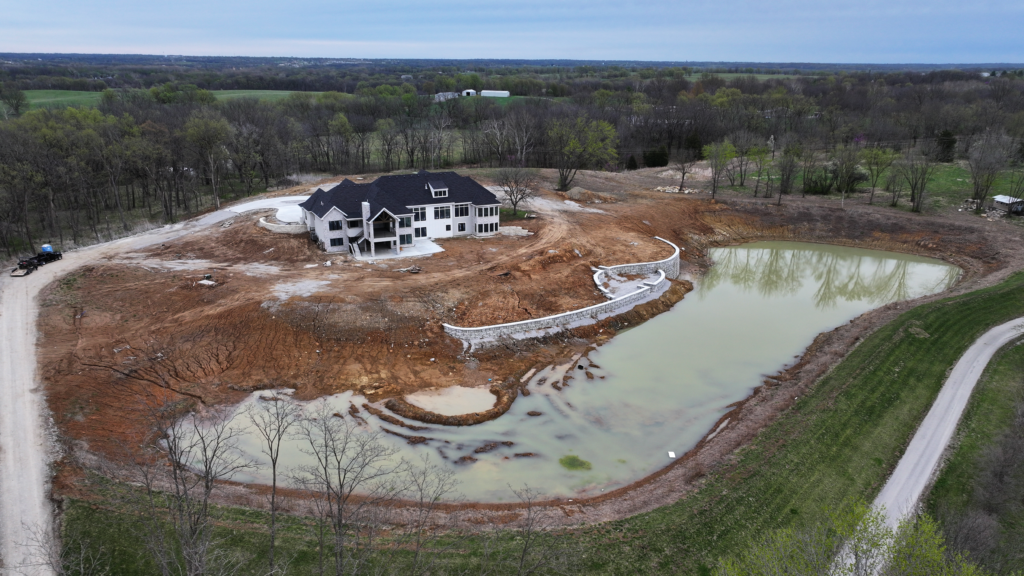
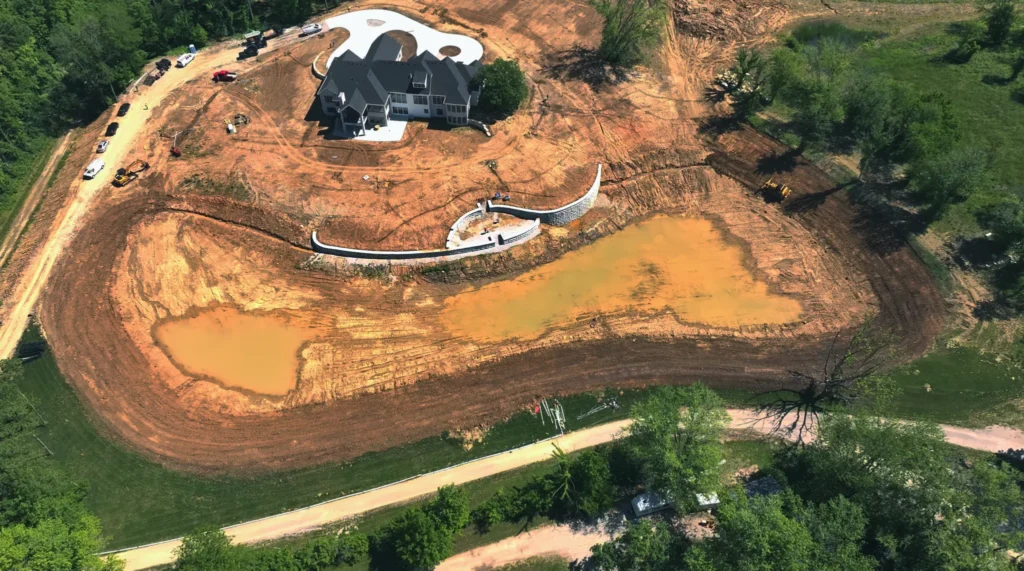
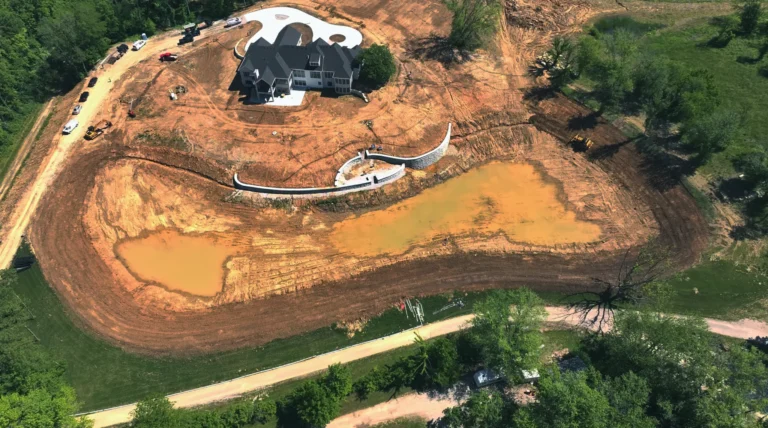
Aerial view of a low, muddy DIY pond below a luxury custom home under construction in Liberty, Missouri, before pond liner repair

Before: a leaking DIY pond at an estate in Liberty, Missouri.

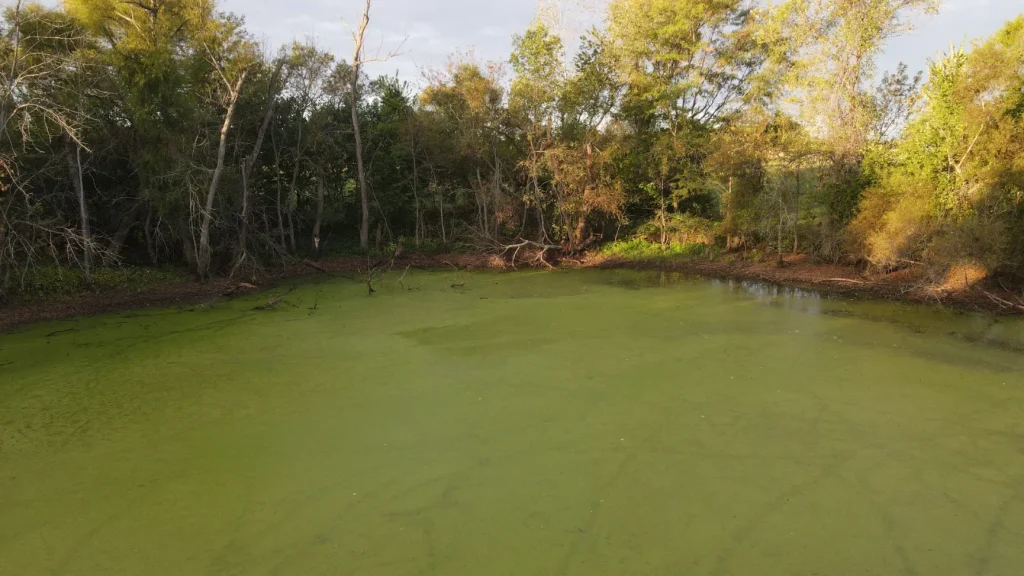
Aerial view of an overgrown, algae-covered pond in Grain Valley, MO, before restoration by Bulletproof Pond and Lake, with excavation equipment on-site for the transformation process.

Before: an overgrown, algae-covered pond in Grain Valley, Missouri.

High aerial view of a rural acreage property with a modern farmhouse home, the original 2-acre pond and open pasture before a lake expansion in Melvern, Kansas

Before: an aging pond in Melvern, Kansas, ready for renovation and expansion.

Seeing one of these signs?

Send photos or a short video, or give us a call. A pond and lake specialist will walk you through what it likely means and your options, free.

Repair Services

Pond, Lake and Wetland Repair, From the Dam to the Shoreline

From pond leak repair to complete pond and lake restoration, every repair is planned around your water, your soil and how you use it, from a private fishing pond to the lake in full view of your home.

Bulletproof Pond and Lake crew pulling soil boring core samples with a drill rig for pond construction in Liberty, Missouri

Diagnostics, Planning and Risk Management

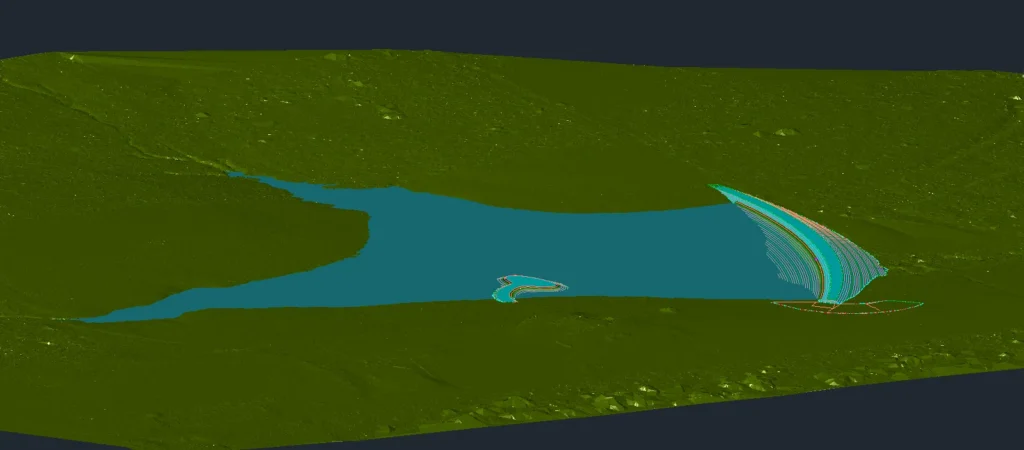
Before anything is dug, we find out why. A specialist evaluates your pond, lake or wetland on site, backed by LiDAR mapping, bathymetry and sonar mapping of the water, water level monitoring, soil borings with lab testing and a plan modeled in AutoCAD Civil 3D. It's offered alongside our repairs and renovations to lessen your risk, and you choose how far to take it.

Read about diagnostics and risk management →
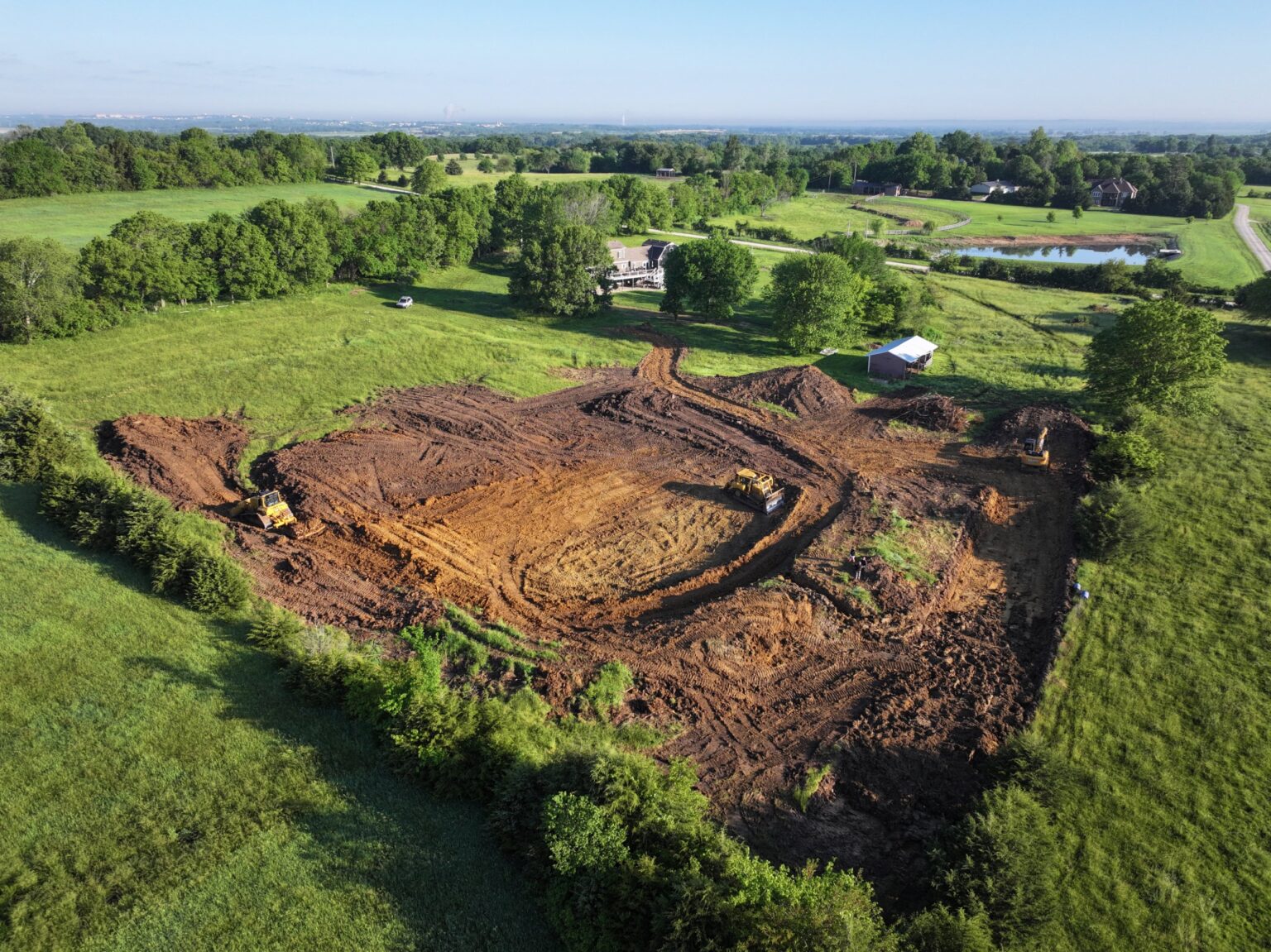
Aerial view of a Bulletproof Pond & Lake pond dam repair, cleanout and expansion in Eudora, Kansas, with dozers, an excavator and a compactor building a clay core trench

Dam Leak Repair and Core Liners

Most dam leaks trace back to how the dam was built, from the wrong soil in the core to poor compaction or no core at all. We repair them with a compacted clay core or a synthetic core liner set through the center of the dam, including our own Bulletproof Vertical Core Liner Method. We generally don't need to drain the pond or lake much, just a few feet, to do this. Some dams also have springs running through them, which call for a water management system, a separate service done alongside the dam repair itself.

Compare core liner options →
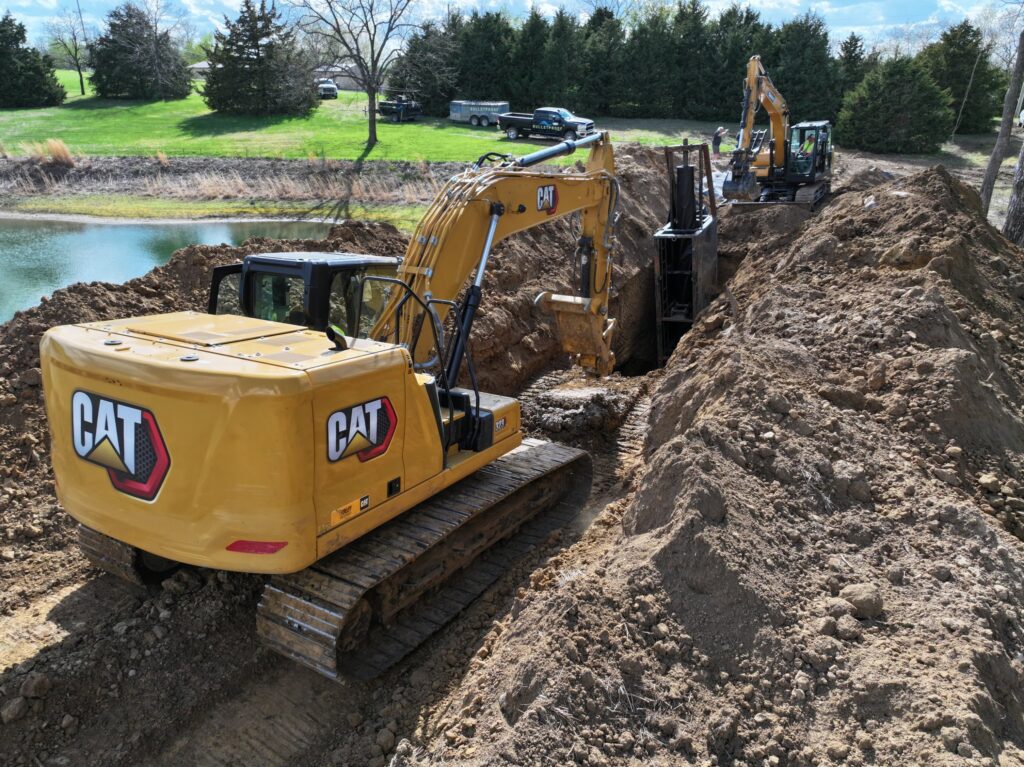
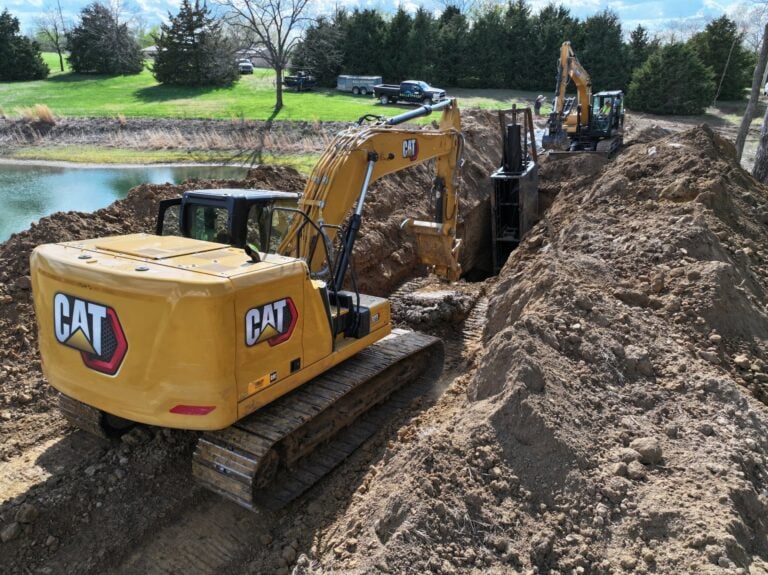
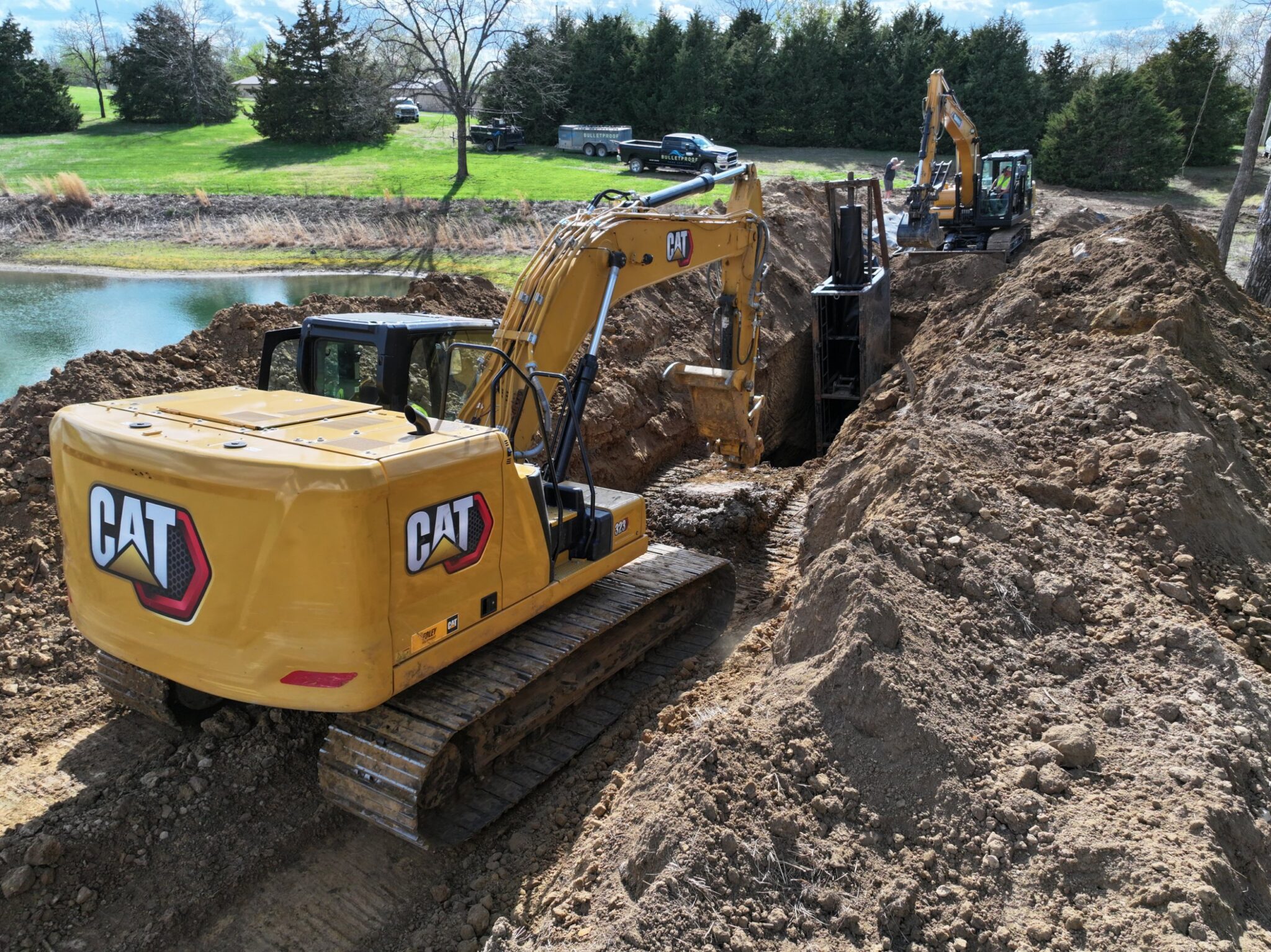
Excavators open a core trench through a pond dam while Bulletproof Pond & Lake installs its heavy-duty synthetic vertical core liner near Basehor, Kansas

Bulletproof Vertical Plastic Core Liner Method

Our founder, Ryan Cowart, invented this method in-house for leaking dams. A heavy-duty synthetic barrier made from material engineered by its manufacturer to be waterproof, including but not limited to HDPE, LLDPE and reinforced liners, is set vertically through the center of the dam, cutting off seepage and leaks. It's intended to create a barrier for dam repairs, as an alternative to clay or other natural materials. It goes in with a custom core trench box we fabricated in-house. The crew calls her Big Bertha, and she has never once called in sick. With a professional installation, it's the closest option to a waterproof solution for a leaking dam. In most typical conditions it's also less invasive, quicker and often more economical than a clay core. There's no clay to dig up across your land or haul in by the load, and less of the lab testing and site diagnostics it takes to prove natural material will hold. Most dams need only a few feet of drawdown, so your fish, habitat and view stay largely intact. Because roots can't grow through the liner, in many cases owners have been able to keep sentimental trees on their dam. We generally recommend tree-free dams, but when a tree matters to you, it's a great alternative.

See how the method works →
Bulletproof Pond & Lake crew installing a heavy-duty reinforced LLDPE pond liner over underlayment around a tree-topped peninsula at a private resort pond in Olathe, Kansas

Pond and Lake Liners

When the basin itself won't hold water, a heavy-duty synthetic pond liner is the closest option to a waterproof solution. Every installation is highly custom. We reshape the basin, add protective underlayment when the project calls for it, then install and seam material engineered by its manufacturer to be waterproof, with gas venting and spring management where the site needs them. A lined pond can still be safe for fishing and swimming, just like a natural pond. The liner itself is typically extremely thick and heavy, with 40 mil a common choice, and depending on how you'll use the water we may suggest extra reinforcement, underlayment and other protective layers. HDPE and LLDPE are our top choices. RPE isn't our recommended choice, since it's difficult to repair without completely reinstalling it. We can also have liner custom-shaped and pre-seamed for your pond, though that depends heavily on the project's timeline and site access, since liner is typically more readily available in sections than custom sized. With a variety of materials and installation methods to choose from, and tradeoffs in lifespan, use and investment, we'll make it easy to choose what fits your vision and the purpose of your pond or lake.

Talk through liner options with us →
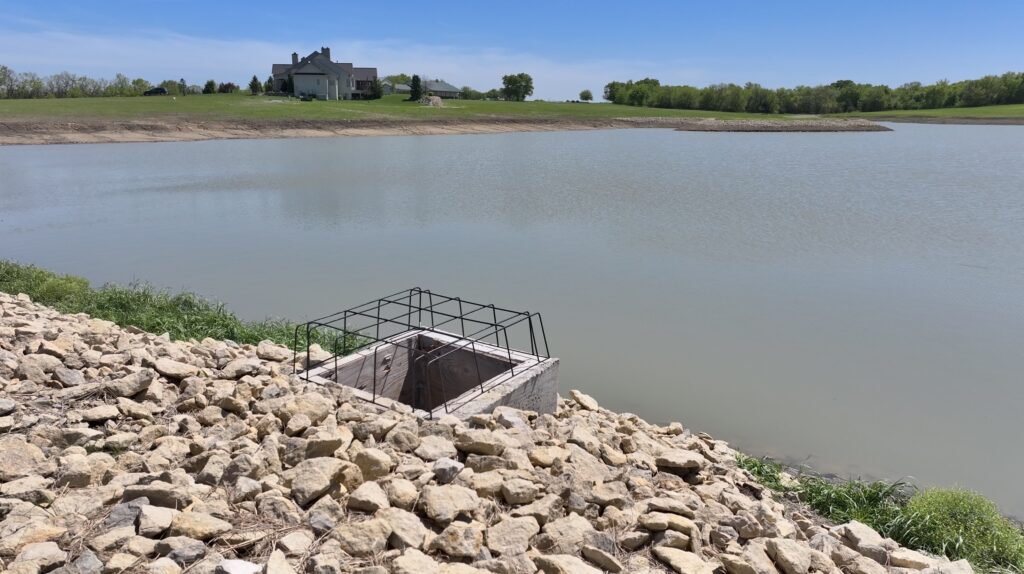
Custom concrete drop inlet overflow with a steel debris screen set in a riprap dam, built by Bulletproof Pond and Lake in Melvern, Kansas

Overflow, Spillway and Drain Pipe Repair

Rusted metal pipe, cracked concrete, undersized spillways and leaks along the outside of a pipe are among the most common failures we find. We replace them with HDPE pipe rather than outdated metal pipe that commonly rusts out, concrete drop inlets with trash racks, anti-seep collars and spillways sized to your watershed. One of the most common issues is poor compaction around the pipe, which can lead to erosion, sinkholes and even dam failure, so overflow work often goes hand in hand with dam repair. Your overflow doesn't have to be boring, either. It can double as a waterfall that spills over when it rains with no pump needed, run on a pump or solar pump system to keep the water recirculating, or be hidden in creative ways, and we work with landscape architects when your vision calls for it. If you'd rather have something extremely durable and low maintenance, or safety comes first, trash racks and other guards may be the right route. We'll talk through every option with you.

Talk through your overflow →
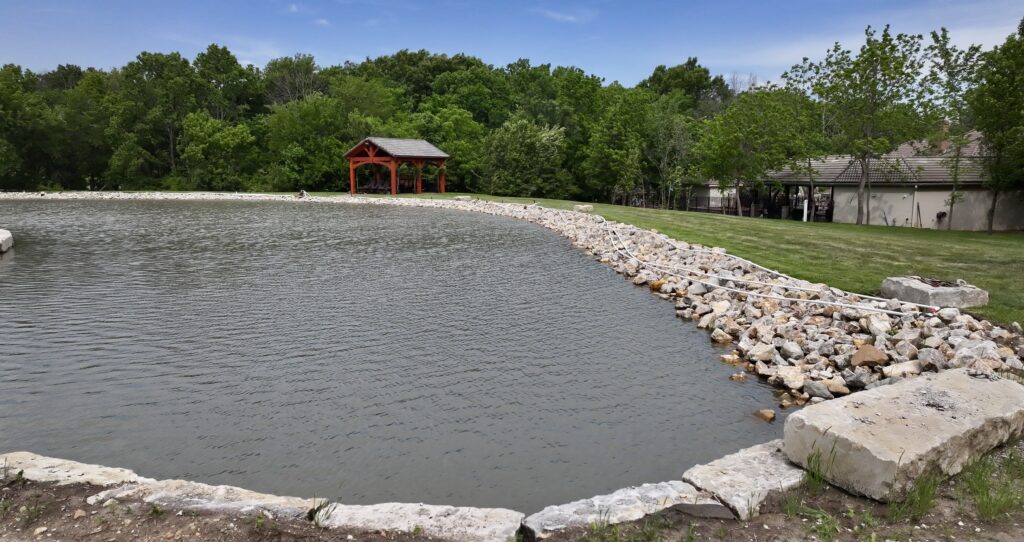
Limestone edging and riprap protecting an eroded pond shoreline and peninsula, installed by Bulletproof Pond and Lake

Shoreline Erosion Repair, Riprap and Seawalls

We reslope eroded banks with GPS-guided equipment, then armor them with riprap, limestone edging or boulders. From natural stone walls to engineered seawalls and retaining walls, we build shorelines designed to stand up to waves, ice and changing water levels. Where muskrats or other burrowing rodents are a problem on the shoreline or dam, we can add a rodent shielding layer over the riprap to reinforce it. The stonework doesn't have to stop at the water's edge, either. It can extend to your driveway, landscaping and around the home so everything matches your pond or lake seamlessly.

Discuss your shoreline with us →
Track loader pushing muck and sediment out of a pond basin to restore depth during a pond renovation in Liberty, Missouri

Renovation, Dredging and Depth Restoration

Shallow, mucky ponds lose fish, clarity and usefulness. We restore depth with partial, phased or complete cleanouts and hydraulic dredging options, with or without draining, and can grow a small pond into a larger pond or lake while the equipment is there.

Talk through restoring your pond →
Overgrown and algae-covered pond in Grain Valley, MO, before restoration by Bulletproof Pond and Lake, highlighting the need for professional pond dredging and water quality improvement.

Algae and Overgrowth

Algae and overgrowth often point to a depth problem, but not every time. Sometimes it's aeration or water flow. We work alongside biologists and licensed professionals as needed, because it can also come down to runoff carrying what's in it into your pond, or imbalances in the water's pH and makeup. Often it's a combination. Depending on the cause, it can be kept up with manual removal or less invasive options like raking or partial dredging, without draining the pond or lake or rerouting water into a holding pond, and some owners prefer chemical treatments through our licensed partners. How far we investigate depends on your values, goals, tradeoffs and investment. A one-size-fits-all fix is the generalist's approach, not a specialist's. We work diligently to ensure proper care, and we highly recommend bringing on our specialist partners for the long-term game plan of your pond or lake.

Talk through your algae and overgrowth issues →
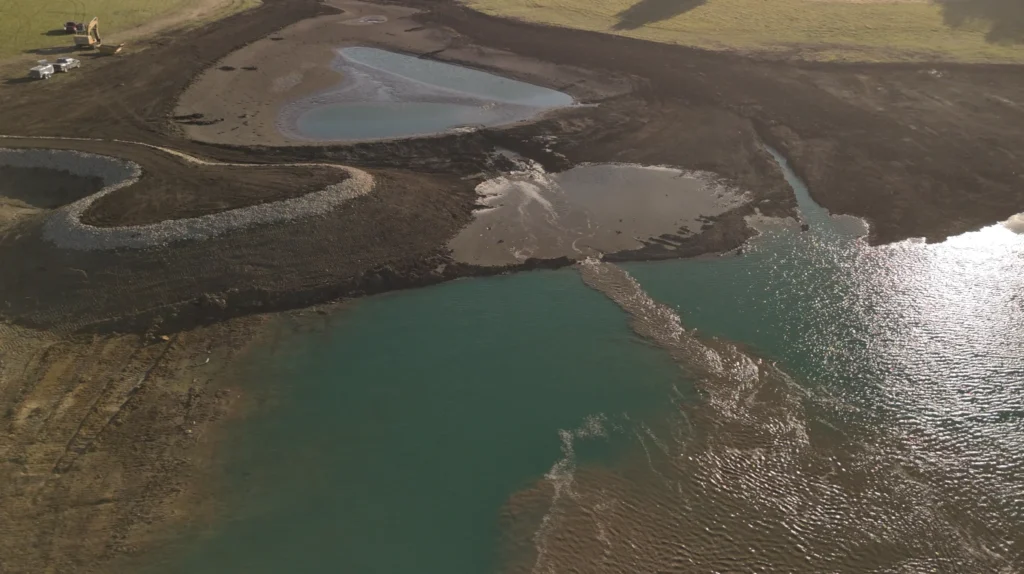
Existing pond water flowing through a breach in the old dam into a new lake expansion built by Bulletproof Pond and Lake in Melvern, Kansas

Pond and Lake Enlargement and Expansion

We can make an existing pond or lake much larger than its original size. Expansion often goes hand in hand with a repair, and that's usually the best time to give your investment a total makeover. We highly recommend proper planning, risk management and diagnostics beforehand, and we offer all of it.

Read about our diagnostics →
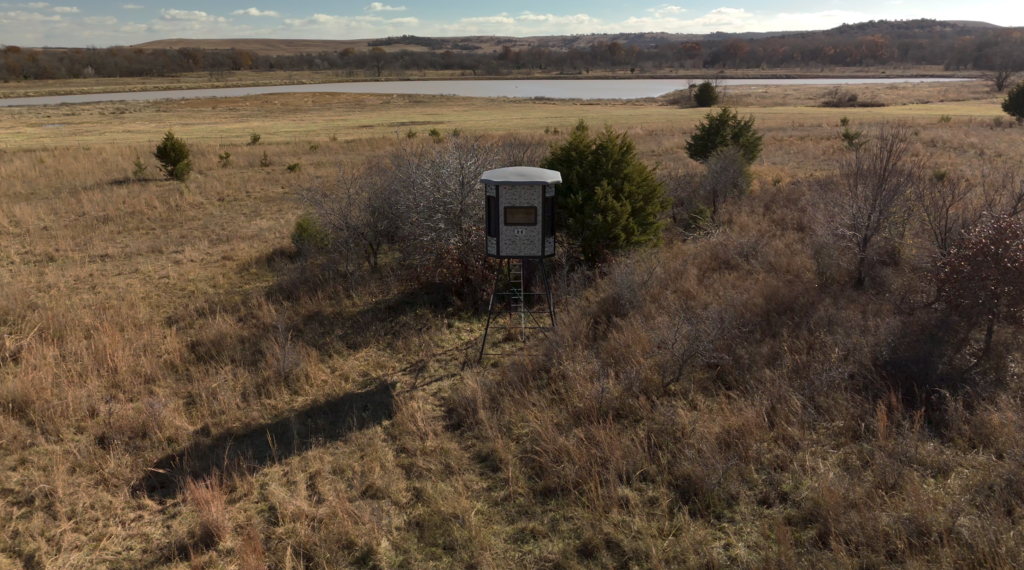
10 acre duck lake and wetlands, hunting blind, new construction in Oklahoma. | Bulletproof Pond and Lake

Wetland Expansion and Rebuilds

We expand and rebuild wetlands, too. Many need rebuilding after years of silt accumulation and environmental factors, and some were built improperly from the start, often from improper design and excavation. Drainage systems within wetlands can also be faulty, and we can fix those as well.

Talk through your wetland with us →
Aerial view of a 3-acre upscale pond with a limestone-lined peninsula in Gardner, Kansas, designed and built by Bulletproof

Peninsulas, Features and Additions

A repair or renovation is the time to get strategic and creative with your investment. Instead of hauling material off, spreading it thin or leaving it in a pile, we can use it on-site to shape peninsulas, berms and other creative additions. We also build beaches, large-scale waterfalls, docks, boardwalks, stepping stones and entertaining areas, and adding them during a repair is often a far better value than doing them separately or later. Much of it our team handles in-house, and we work alongside true specialists when a project calls for it, so you're not chasing multiple contractors or searching for someone reputable.

Discuss your vision with us →
Aerial view of a leaking pond basin holding muddy water in its low spots before it was rebuilt in Liberty, Missouri

Rebuilds for Ponds That Never Held Water

Some ponds were built on sand, rock or over-excavated ground and never had a chance. We test the soil first, then rebuild with a compacted clay core, a synthetic liner or both, based on what the site can actually support.

How we diagnose a pond →

About quick fixes. Pond sealers, bentonite and pig sealing get sold as quick, inexpensive fixes. They can work in the right conditions: pig sealing depends on suitable clay already being there, and bentonite generally needs dry ground and much more material than people expect. None of them correct a dam that was built wrong, and they don’t always fully fix a basin that was built improperly or on top of sand, gravel, shale or other unsuitable material.

Be cautious of “miracle products.” Sealants and polymers only work when professionals apply them in the right conditions and in exact quantities. If a pond was built so poorly that it needs to be excavated and rebuilt, these products are often a lost investment. They’re often not recommended, but they do have their place in special conditions, and your specialist will say so plainly when a simpler option fits.

Site Work Alongside Your Repair

Earthmoving, Excavation and Water Management, In-House

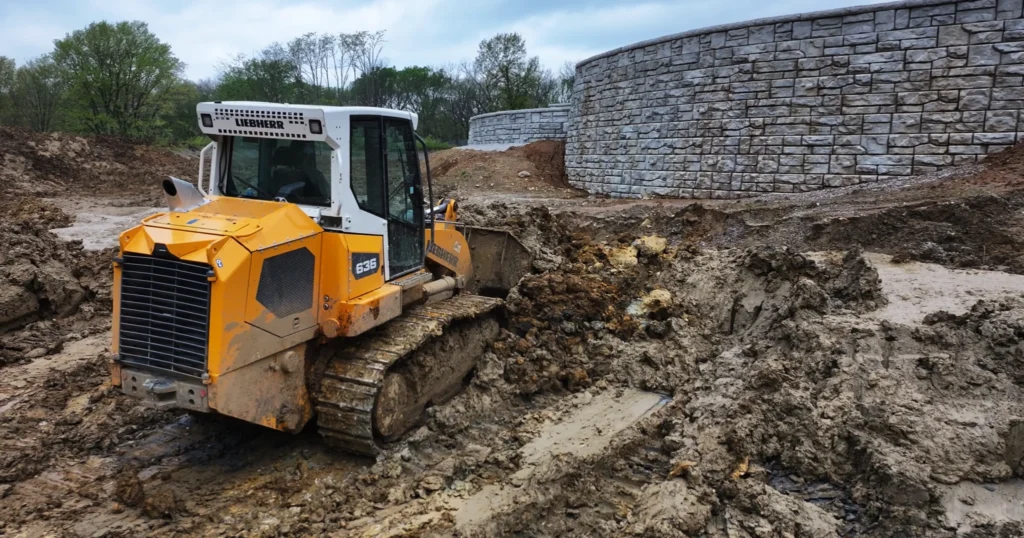
Our own crews and heavy equipment handle mass earthmoving and precision excavation, backed by water management and planning expertise. The work that often needs to happen alongside a repair can be planned and done by the same team, instead of hiring several contractors. It doesn't have to be part of the pond or dam, either; it can be anywhere on your property.

Talk with us about your site work →

  • Driveway prep and gravel driveways, including across the top of the dam
  • Building pads
  • Home site prep for houses, barns and shops
  • Mass earthwork and grading
  • Field terracing
  • Berms and swales
  • Drainage and water management solutions
  • Land reshaping and resloping
  • Land, tree and brush clearing
  • Topsoil stripping and respreading
  • Erosion control
  • Larger sites by request
After the Repair

A Healthier Pond Than Before It Leaked

A repair is often the best moment to plan what comes next. When your water needs expertise beyond earthwork, we bring in trusted specialists we work alongside, so you aren't left hunting for the next contractor.

Fisheries Biologists

Restocking plans and habitat work after a drawdown or rebuild.

Aeration Specialists

Oxygen for refilled or deepened water, especially when a well feeds the pond.

Lake and Pond Management

Algae and vegetation control while the repaired water settles in.

Licensed Engineers

Engineering support when a dam repair or permit calls for it.

Dock Fabricators

With the water down, it's the easiest time to add a dock.

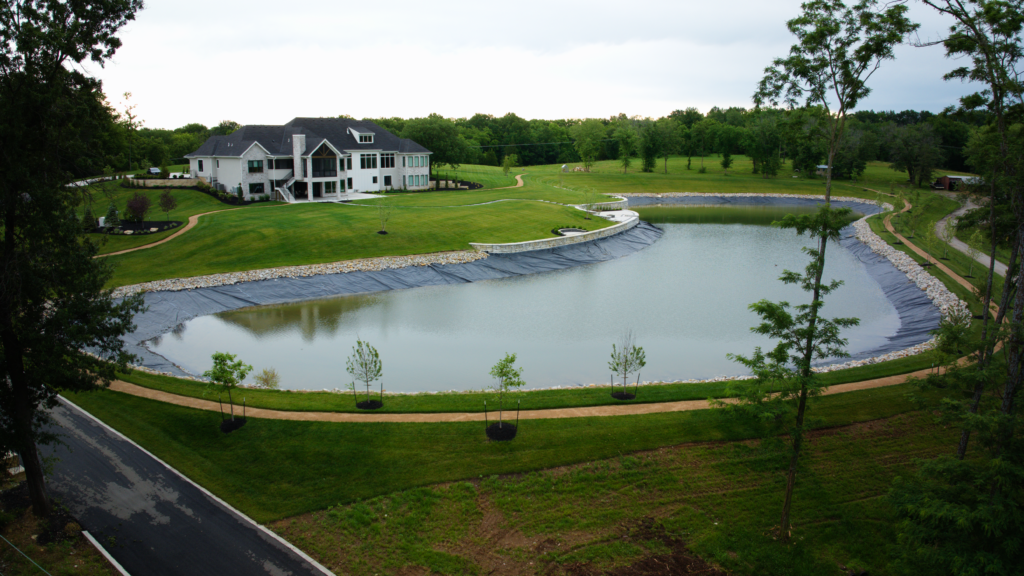
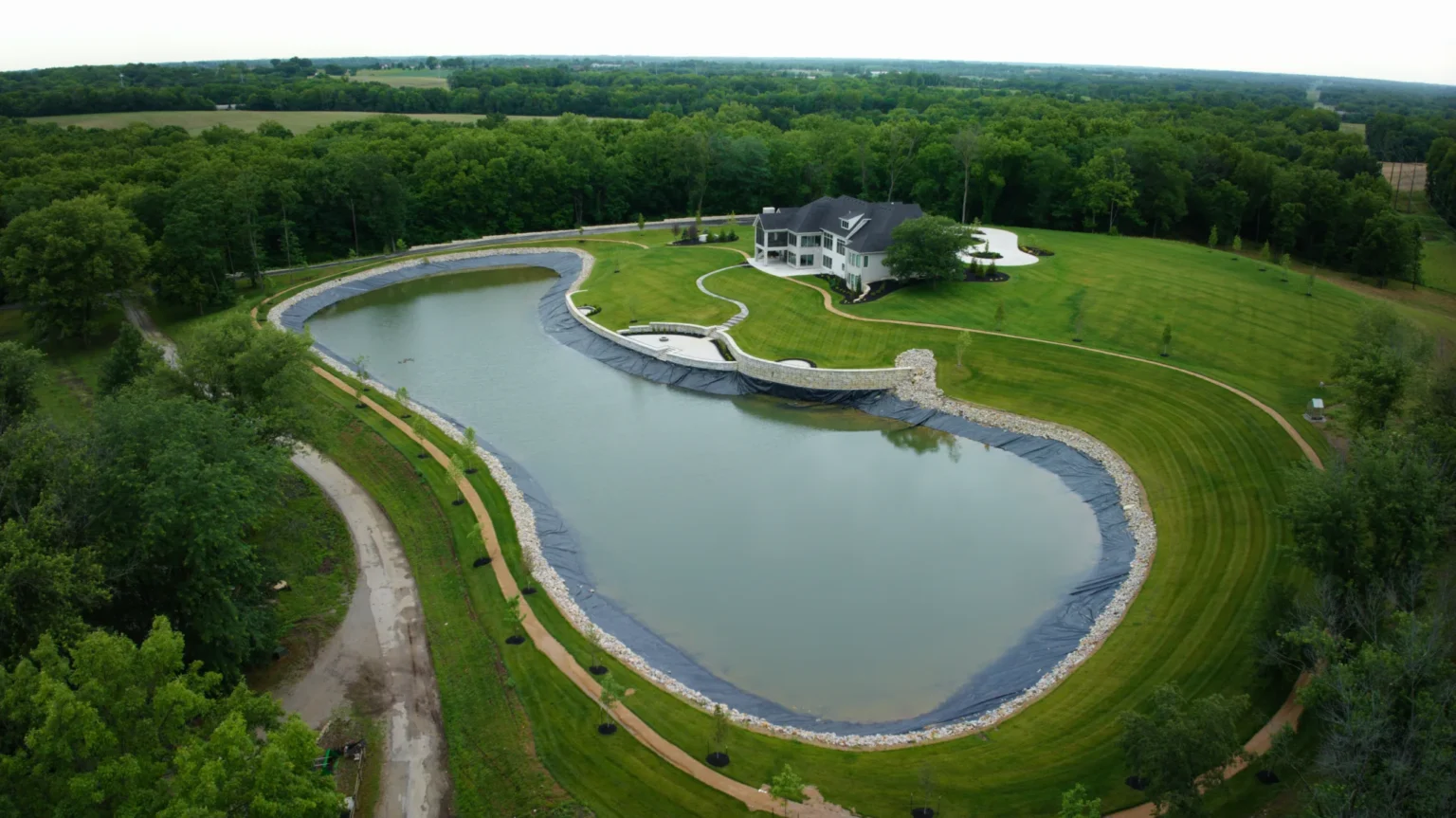
Half-full lined pond with clear water and riprap shoreline below a luxury custom home with landscaped lawns, stone retaining wall and walking path in Liberty, Missouri

Clear water returning to a repaired estate pond in Liberty, Missouri.

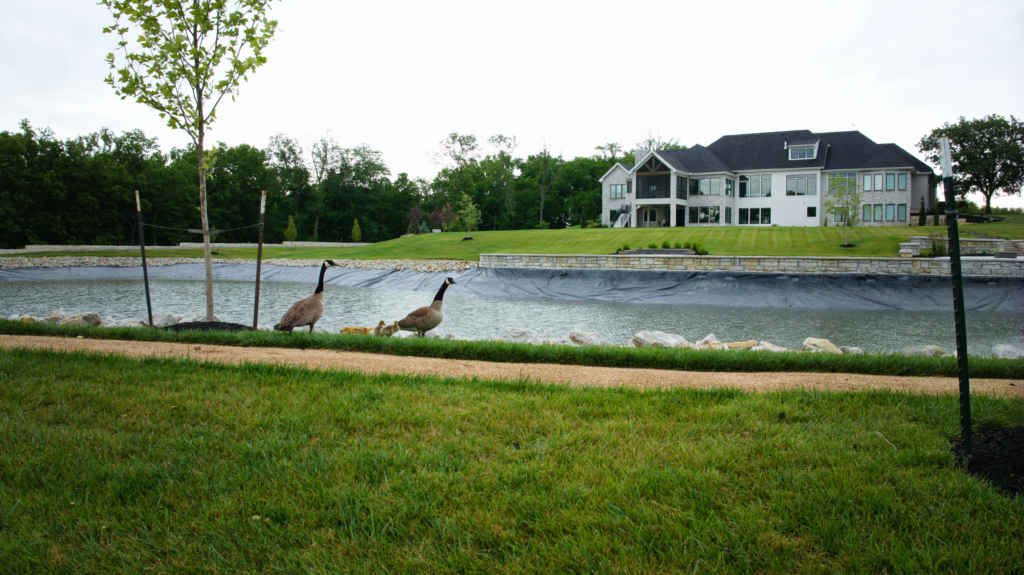
Geese and goslings walking along the riprap edge of a half-full lined pond, with a stone retaining wall and luxury custom home overlooking the water in Liberty, Missouri

Wildlife back on the water while the rebuilt pond refills.

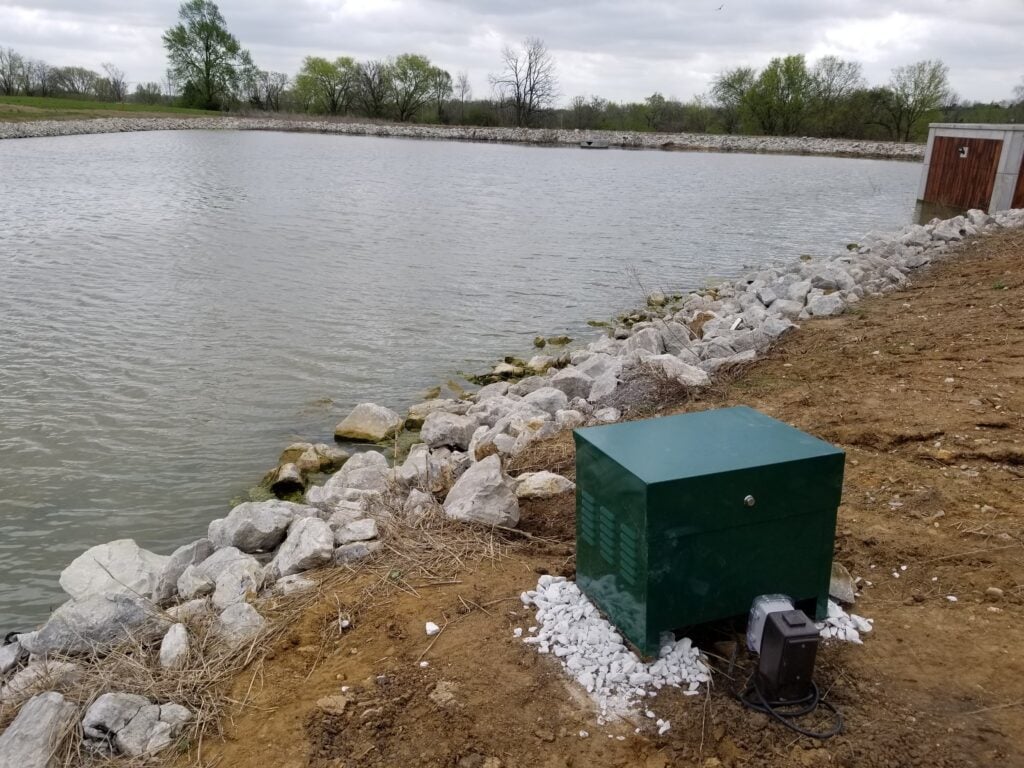
Pond aeration system compressor cabinet beside a riprap-lined pond in Missouri, installed by Midwest Lake Management

Aeration that keeps refilled water healthy. Photo: Midwest Lake Management, one of our partners.

Permitting, Regulatory and Funding Support

Support Beyond the Dirt, So You're Never on Your Own

We don't just dig, repair and rebuild ponds, lakes and wetlands. When your project calls for it, or whenever you'd like, we support you through the parts many contractors avoid, with the design data and documentation that licensed engineers, permitting offices and the state often want to see.

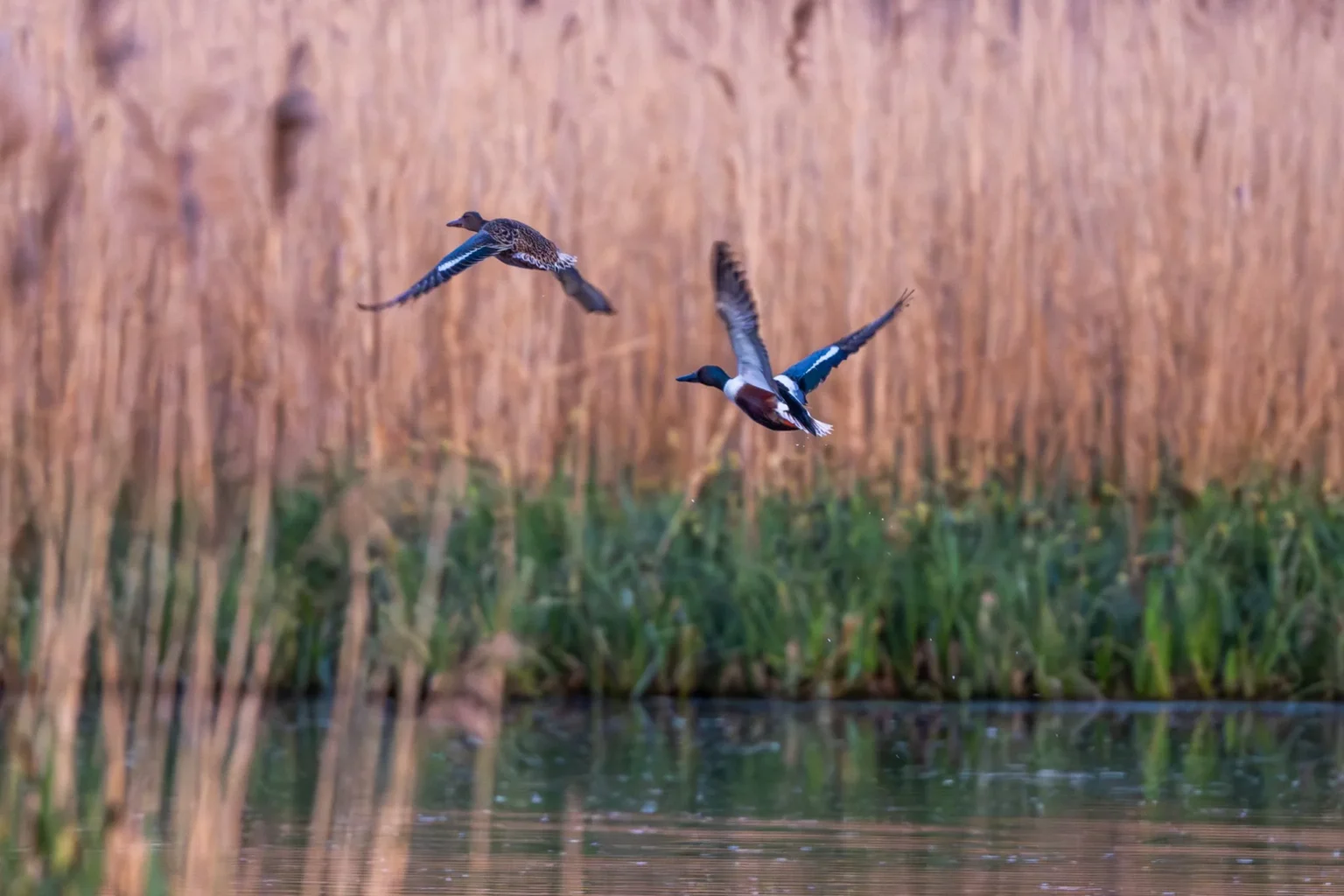
Pair of northern shoveler ducks taking flight over a conservation wetland lined with golden reeds and green marsh grasses

Wetlands built for waterfowl and conservation can open the door to cost-share and conservation programs. We help you find what fits.

Permitting and regulatory support

You stay the applicant, and we support you with the design, data and guidance a permit or regulatory review calls for.

Grants, cost-share and programs

Help finding and preparing for grants, cost-share and conservation programs for ponds, lakes and wetlands.

Alongside the people who review the work

Real experience partnering with licensed engineers, inspectors, regulators, states and cities.

Waterfront of every type

Estate lakes, golf course ponds, community and commercial waterfront, wetlands and hunting properties, not just farm ponds.

We support as your project calls for it, or as much as you'd like. You won't be alone through this.

Upgrades and Additions

More Than a Repair: Upgrades and Additions for Your Pond or Lake

A repair doesn't have to stop at what's needed. With our crews and equipment already on site, adding upgrades to the same project is often more economical than coming back later, saving on costs like equipment mobilization and transportation, and on hauling material away. It's an investment in a beautiful waterfront that can truly be yours again.

Estate home overlooking a 12-acre lake expansion with a limestone-edged peninsula, built by Bulletproof Pond and Lake in Melvern, Kansas

Peninsulas and Islands

Material from your repair or renovation can often be reshaped into a peninsula or island instead of being hauled away. They add fishing access, habitat and a focal point to the water, and we design them creatively around your property.

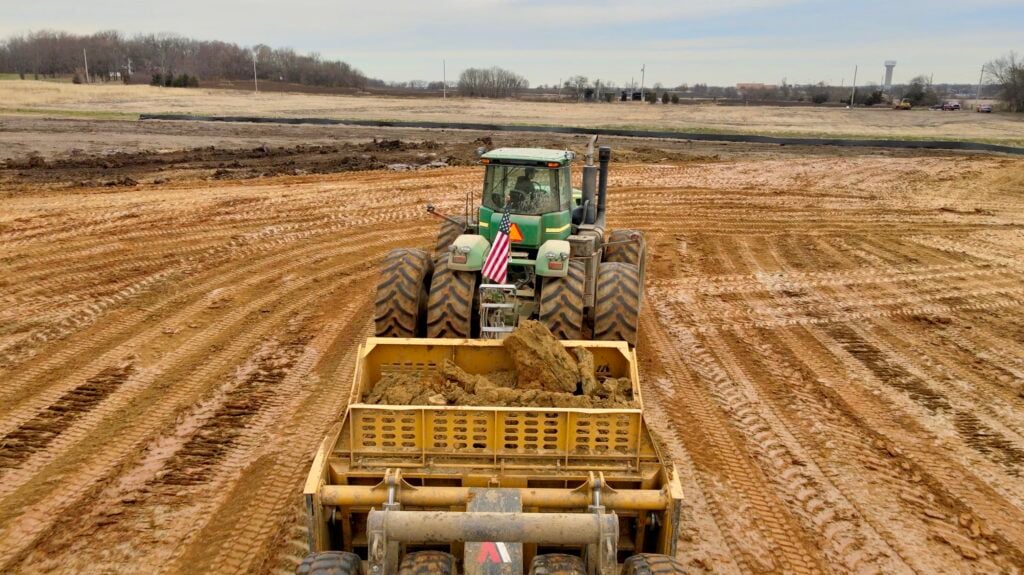
Tractor pulling a loaded earthmoving scraper across the pond basin during construction of a custom fishing pond in Gardner, Kansas, with silt fence erosion control in the background, built by Bulletproof Pond and Lake

Berms, Hills and Cliffs

What do you actually use berms and hills for? Traditionally, they save on hauling and relocating material excavated during renovations, rebuilds and repairs, smoothed out for landscaping. That same material can also become something far more creative, like shaped hillsides and cliffs.

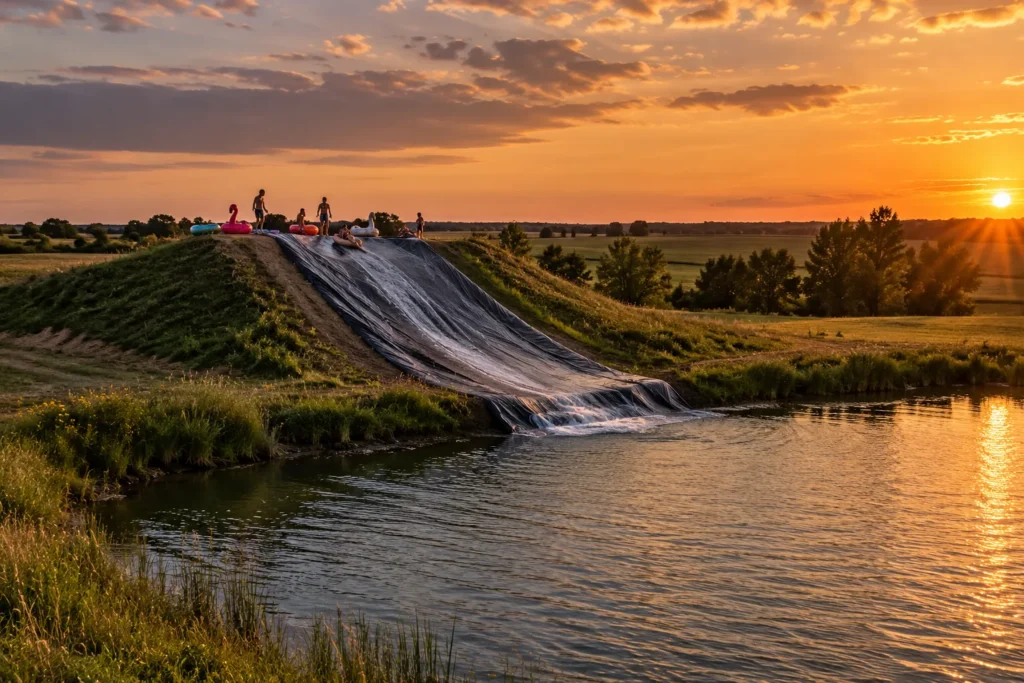
Design concept of a slip-and-slide water slide down a berm built from pond spoils, lined with heavy-duty synthetic liner and running into the pond at sunset, by Bulletproof Pond and Lake

Slip-and-Slide Berms

An idea we came up with in-house: a berm built from pond spoils, lined with heavy-duty liner material and running straight into the water. It recycles material from your project into something epic, and it’s proof of how far an addition can go.

Pond Makeover with pond dye, concrete walkway and treed landscaping with fountain, bridge, and fish feeder in Olathe Kansas. Completed by Bulletproof Pond and Lake

Landscaping and Aquatic Landscaping

Professional landscaping and aquatic plantings finish your shoreline so it doesn’t sit as bare dirt, and both can help the overall health and enjoyment of your pond or lake.

Limestone edging and riprap shoreline around a large pond and peninsula on an upscale property near Kansas City, Missouri

Stone Walls, Seawalls and Rock Shorelines

Riprap and rock shoreline protection that looks as good as it works, plus everything from natural stone walls to engineered seawalls and retaining walls.

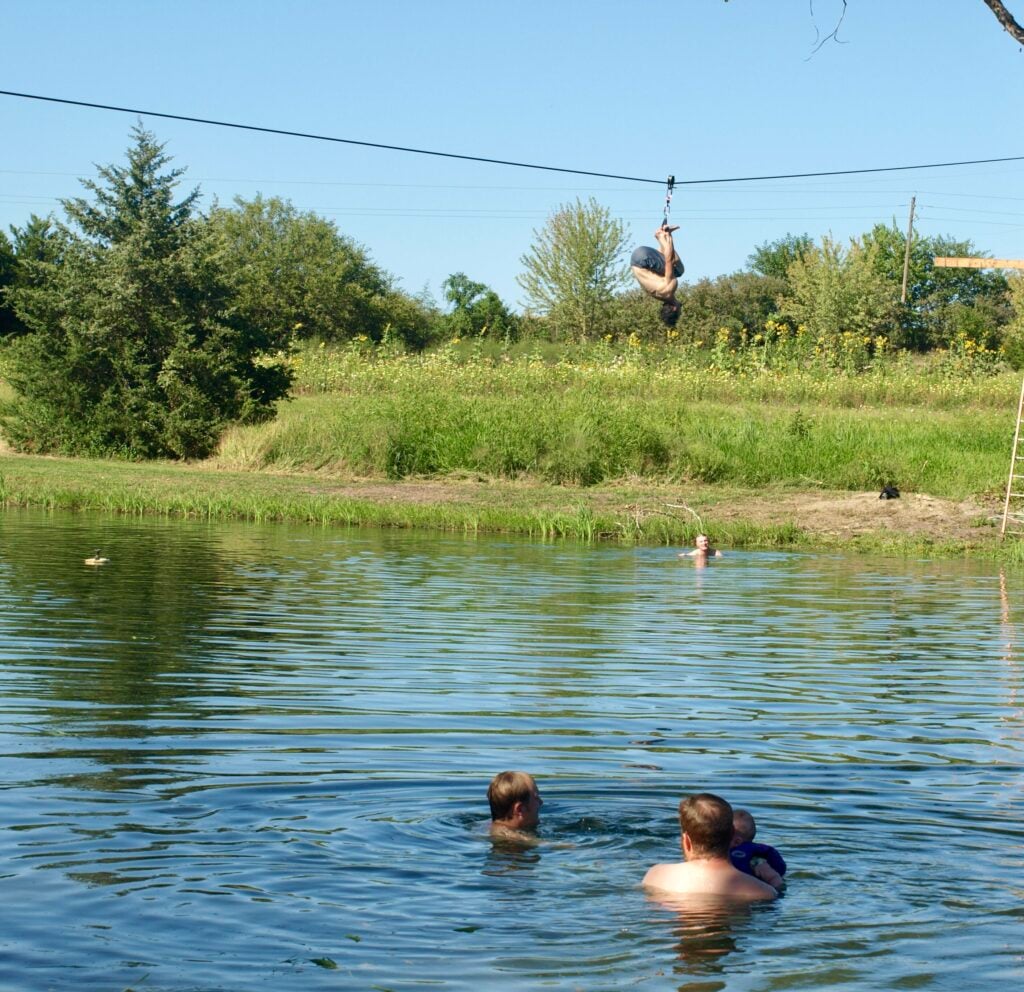
Zipline in Pond for swimming, Basehor Kansas multi-purpose large private pond designed and built by Bulletproof Pond and Lake

Ziplines

A private zipline over the water, installed alongside specialists, turns your pond or lake into the place everyone wants to be.

Pond Makeover with concrete walkway, entertaining space, and treed landscaping with fountain, bridge, and fish feeder in Olathe Kansas. Completed by Bulletproof Pond and Lake

Stepping Stones and Paths

Stepping stones, concrete paths and gravel paths connect your home, your entertaining areas and the water’s edge.

Design concept of a natural stone waterfall spilling from a large pond at an upscale waterfront property, an example rendering by Bulletproof Pond and Lake

Cascading Overflows and Waterfalls

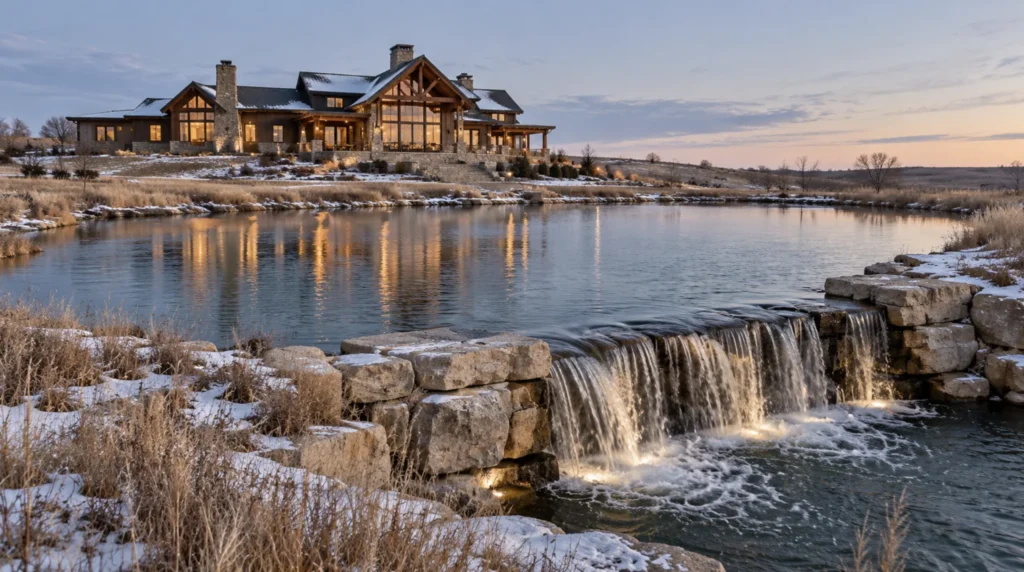
A cascading overflow can hide the overflow tube better than a standard overflow and spill like a waterfall in heavy rains, or run as a beautiful waterfall with a pump in many seasons. Large waterfalls don’t have to be on the overflow at all.

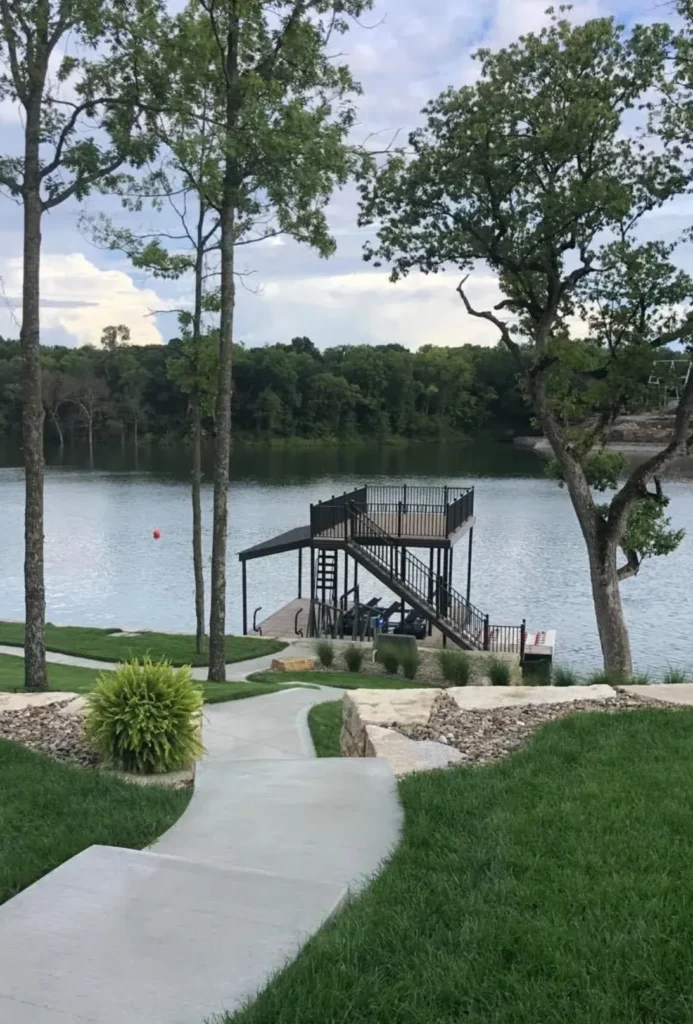
Double-decker lake dock with stairs and railings by Mac's Docks, Bulletproof Pond and Lake's dock partner, on a wooded Missouri lake

Docks

From simple docks to double-deckers and DIY kits, we sell them all, and our partners install docks every day.

Docks fabricated in the USA by our partners at Mac’s Docks.

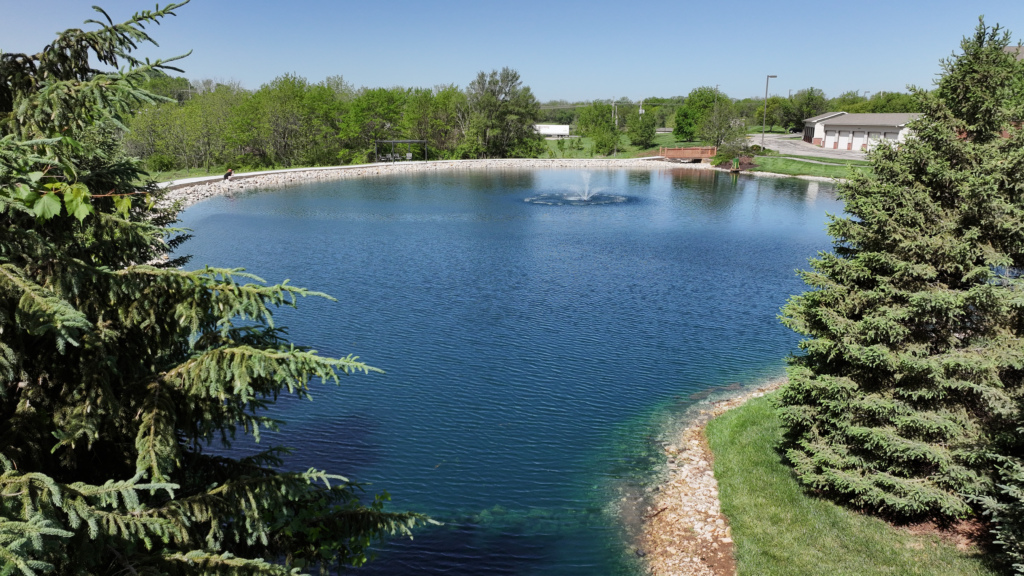
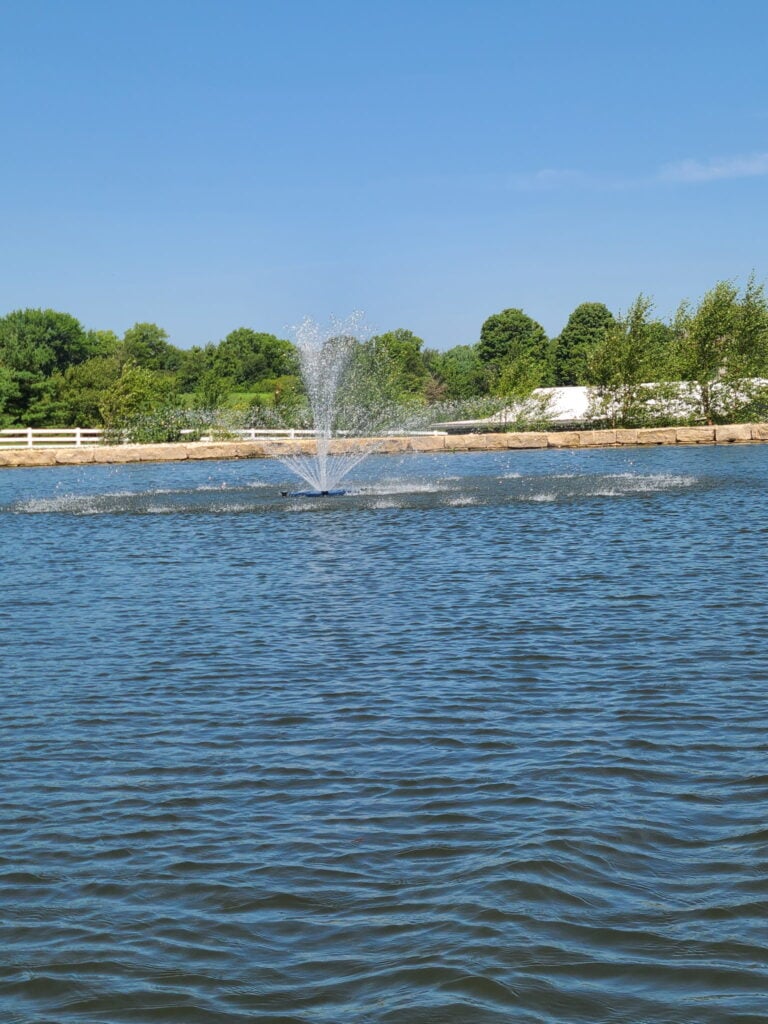
Fountain by partners Midwest Lake Management in Missouri.

Fountains

From standard fountains to fountains that glow at night, there are many options, planned with our aeration and fisheries partners.

Photo: Midwest Lake Management, one of our partners.

Pond Dye in new pond. Constructed by Bulletproof Pond and Lake in Missouri

Pond and Lake Dye

Pond and lake dye can be very effective at mitigating overgrowth, and gives your water a rich, clean color.

Natural rock fish habitat recycled from the property on the shoreline of a 12-acre lake built by Bulletproof Pond & Lake in Melvern, Kansas

Fish Structure

Fish structure can be built from recycled material on site, like tree stumps, or from synthetic professional structure, planned with fisheries biologists when your project calls for it.

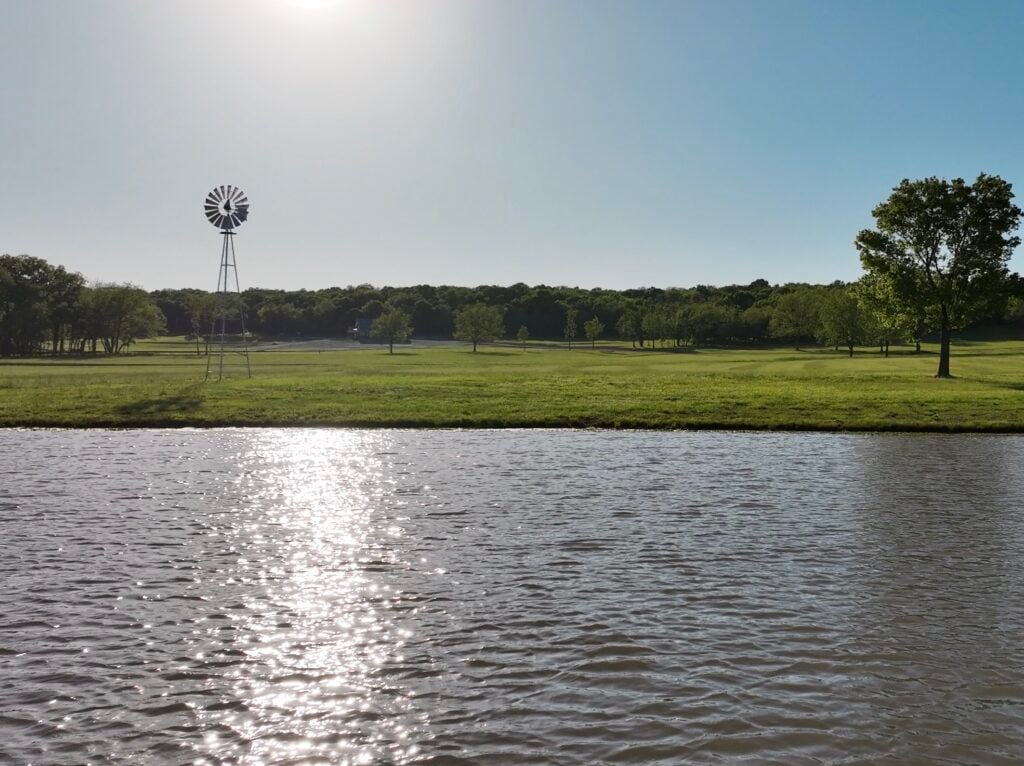
Rebuilt and expanded recreational fishing pond in Centerville, Kansas with a windmill aerator on the bank and mowed lawn beyond

Windmills

A windmill is a beautiful, unique structure on your property, connected to the aeration system working within your pond or lake.

And Much More

The work doesn't have to stop with what's needed

There are many more additions and features, from boardwalks and beaches to lighting and entertaining areas. These are here for inspiration, and as proof your repair can also be an investment in a beautiful waterfront that's yours again.

Repair & Renovation Projects

Ponds and Lakes We've Repaired, Rebuilt and Restored

Leak repairs, rebuilds and pond and lake restoration across Kansas and Missouri, each planned around the owner's goals for the water.

Leaking estate pond in Liberty, Missouri after Bulletproof Pond and Lake rebuilt it with a welded HDPE liner and riprap shorelineThe same Liberty, Missouri pond before the repair, a leaking basin holding muddy water in its low spotsBefore
Featured Repair · Liberty, Clay County, MO

A Leaking Estate Pond, Rebuilt to Hold

The original pond below this custom home never stopped leaking, so the owner asked for a liner from the start. We drained it, cleaned out the muck, reshaped the basin and reused the material on site, then finished the shoreline in riprap.

  • 40 mil HDPE liner, welded at every seam
  • Protective underlayment beneath
  • Muck cleanout and basin reshaping
  • Pump and filtration from a pond downstream
Read the full Liberty project →

These are a few of the repairs we can show online. Many of our projects are high-profile or for landowners who prefer to keep them confidential and off the web, but we're increasingly adding more from landowners who are happy to have theirs shared, along with new case studies. We're happy to share more about scenarios we've encountered during a consultation or site evaluation, and we look forward to adding as much as we can publicly. Browse all featured projects →

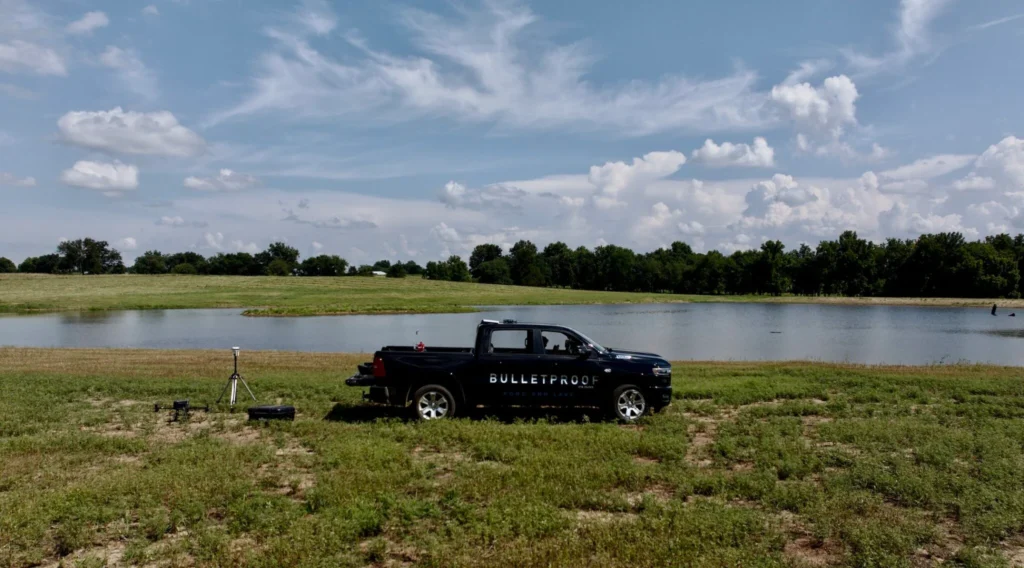
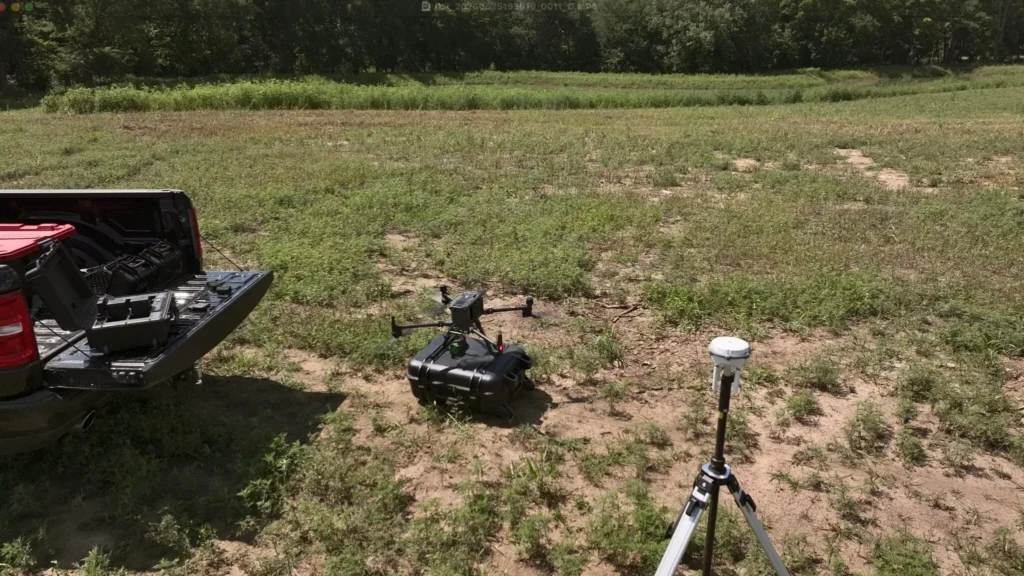
Bulletproof Pond and Lake truck and LiDAR mapping equipment on site beside a pond for planning and 3D design
From the fieldLiDAR mapping on site, verified before any repair is designed
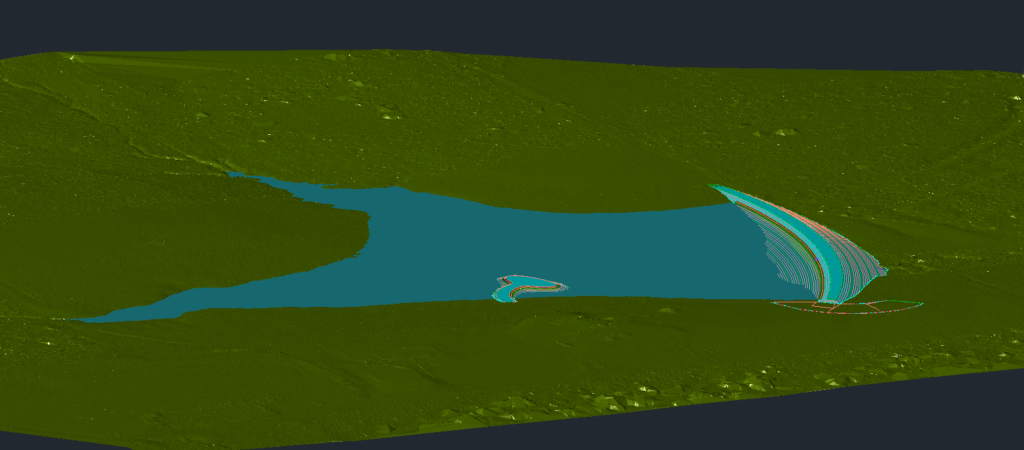
AutoCAD Civil 3D model of a nearly 12-acre lake expansion design with a peninsula and dam, created in-house by Bulletproof Pond and Lake for a project in Melvern, KansasTo the plan: modeled in AutoCAD Civil 3D
Diagnostics, Design, Planning and Testing

Find the Real Cause Before You Pay for the Fix

This is your risk management: an option added alongside any repair or renovation, not a standalone service, and one we highly recommend for existing ponds and lakes. Repairs carry more unknowns than new construction, because how the original pond was built is usually a mystery. Diagnostics shrink those unknowns, point the repair at the likely cause and protect your investment.

Why most ponds and lakes need repair

The most common reason we repair a pond is how it was built. We see it on contractor-built and DIY ponds alike, and we share it to help owners and builders, not to point fingers.

  • Over-excavating past the clay that holds water
  • Building with unsuitable soil like sand, gravel or rock
  • Too little compaction in the dam
  • An inaccurate survey, and so an inaccurate design
  • No soil borings or lab testing before building

Other ponds simply age: pipes rust out, sediment fills the basin and trees take root in the dam.

Confirm the leak first, with a simple DIY check

Before investing in tests to find the root cause, we recommend confirming your pond or lake is actually leaking. It costs very little, and you can do it yourself.

  • Flag the shoreline. Set a flag right up to the edge of the full water level, then re-flag every week for 1 to 3 months and track the difference. You don't need to flag the whole shoreline; one spot will do. Use a different flag each week, by color or type, so you can see the pattern of the water level at a glance, and keep track of which week was which by writing it down or taking dated photos.
  • Run a bucket test alongside it. It's a traditional method we respect, and the best way to see how much water you're actually losing. Fill a bucket with water until it's nearly full, then check it every week and compare the drop in the bucket with the drop in your pond or lake. The bucket and the pond lose water to evaporation at a very similar rate, so this takes evaporation out of the picture. Think of the bucket as the ideal waterproof container: a pond or lake should be built to be water resistant, and some are built nearly waterproof. If the pond drops substantially more than the bucket, it often points to a leak or seepage. Make sure the bucket can't get tipped over or tampered with; we recommend simply putting rocks or something very heavy in the bottom.

Flagging shows at which elevation the water is dropping, and how fast. It works in any season; in unusually rainy, dry or harsh weather, keep measuring longer. That's why 1 to 3 months matters, especially when the loss isn't dramatically obvious. A dramatic drop points to a leak or seepage, and we always recommend further diagnostics to find the why and where.

Neither method tells you exactly where or why it's leaking. That's the next step, with diagnostics and a specialist.

Prefer to be hands off? We can do the flagging and bucket test for you, especially if you don't have the time or ability to do it yourself.

What we look at before recommending a repair

  • An on-site examination by specialists who work on ponds and lakes every day, reading the signs your water is already showing
  • LiDAR mapping that sees through vegetation, verified for accuracy and compared against how the pond sits today
  • Real data modeled in AutoCAD Civil 3D, the software licensed engineers prefer, for correct elevations and cut and fill quantities
  • Underwater mapping, from full bathymetric surveys to more economical sonar
  • Soil borings on the dam and around the shoreline, sent off for lab analysis of clay content
  • Water level monitoring to see how fast the water is actually dropping
  • A close inspection of the dam, spillway and pipe
  • Your records, photos and history, plus our own in-house historical research

Which ones fit depends on your goals, what you share with us and what our first site evaluation turns up, and we share every finding with you. A drone flight or an "RTK" label isn't a survey on its own; what matters is data that's been verified. Bathymetry costs more but gives the most complete underwater picture, especially before a cleanout, while sonar is a solid economical option. Your specialist can walk you through the tradeoffs. These are the most common methods, not the full list.

Why we don't rely on dye testing for leaks

Dye and flow testing sounds ideal, but in our experience it isn't an effective way to find pond and lake leaks. It's far more useful in plumbing and septic systems, where water moves through pipes and the path is easy to trace. Most ponds don't have enough pull to draw the dye to the leak. It also tends to miss basin leaks, and a pond can leak from many places, or several at once. By the time dye does come out, the soil and natural materials it passes through can filter it until it's hard to spot. Where it does show up clearly, the damage is usually obvious enough to see without it, so the test only confirms what's already visible. We put that investment into tests that check far more of the pond's structural integrity: soil testing, especially for leaks, and specialists who read the patterns on site, like wet spots, unusually green patches, taller or wetland-type vegetation, and water flowing where it normally wouldn't.

Bulletproof Pond and Lake crew pulling layered soil boring cores with a drill rig to diagnose a pond
Soil borings for lab testing
Excavators open a core trench through a pond dam while Bulletproof Pond & Lake installs its heavy-duty synthetic vertical core liner near Basehor, Kansas
Our Vertical Core Liner Method: heavy-duty synthetic plastic, with no need to drain the pond further
LiDAR drone and GPS equipment mapping an existing pond and the land around it
LiDAR mapping of the existing pond

Already know what you want? Diagnostics are an option, not a requirement. If you'd rather skip them, bring your own plans or testing, or go straight to a specific repair like a full liner, we'll honor that direction. When the plan is your own and not ours, unless it's a stamped engineered plan, we generally work on a time and materials (T&M) contract basis. We'll always recommend ours, but we respect your decisions, walk you through the tradeoffs and are happy to work alongside your plans and vision. The more history you can share about your pond, the more accurate any diagnosis will be.

Every repair carries some risk. Here's why, and how we manage it.

We didn't build or engineer your pond or lake, and whoever did may not have known what was really there: veins of sand or shale, a pressurized spring opened by over-excavation, unsuitable fill. Thorough diagnostics make surprises much less likely, but subsurface conditions can still show up once work begins, and fixing one clear issue doesn't rule out another. When that happens, it doesn't mean the diagnosis was wrong. The risk is highest on ponds that were built improperly, have little record of how they were built, or came with newly purchased land.

We offer risk management to lessen that risk, and you can also choose to bypass those tests. Ultimately this is your vision and your project, but we highly recommend as much testing as possible. If you'd rather skip more diagnostics but want the least risk possible, we recommend fully lining the pond or lake with a heavy-duty synthetic liner, such as HDPE or LLDPE. The material is engineered by its manufacturer to be waterproof, and with a professional installation it's the closest option to a waterproof solution; that describes the material's design, not a guarantee of the result.

Not sure what's causing it?

Start with a free phone consultation, or text photos or a short video of what you're seeing to (913) 728-2331.

WatchThis Is the Best Way to Fix a Leaking Pond or Lake

Invented In-House

The Bulletproof Vertical Core Liner Method

Developed in 2023 · Refined on working dams

We built this method because too many leaking dams had no good answer short of draining the pond and rebuilding the core. Our founder, Ryan Cowart, designed it, and our crews have refined it on dams that are holding water today.

A barrier, made from material engineered by its manufacturer to be waterproof, is set vertically through the center of the dam with a professional installation, cutting off seepage and leaks. It's intended to create a barrier for dam repairs, as an alternative to clay or other natural materials. It goes in with a custom core trench box we designed and fabricated in-house, known around the shop as Big Bertha. She's heavy, she's one of a kind, and with our team and specialized equipment on-site, the liner goes in seamlessly. There's no clay to source, no lab testing to prove it will hold, and no heavy equipment tearing across your property to dig clay or haul it in, which makes this method less invasive and often more economical than a traditional core. In most cases the pond or lake isn't fully drained, so your fish, habitat and view stay largely intact while the work is done.

  • Stops seepage through the core of the dam
  • Often only a few feet of drawdown
  • A strong fit where good clay is scarce
  • Can cost less than importing clay
  • In many cases, trees on the dam can stay behind it
  • Works for repairs and for new dams
Core Liner Options

Clay Core vs. Plastic Core Liners for Dam Repair

Core liners, also called keyways, are barriers built through the center of a dam to stop leaks and seepage. Our standard method excavates a trench through the dam to the right depth and width and fills it with compacted clay or an HDPE liner, including our own Bulletproof Vertical Core Liner Method. We generally don't need to drain the pond or lake much, just a few feet, to do this.

Compare
Including our Vertical Core Liner MethodPlastic (HDPE) Core Liner
Natural materialClay Core Liner
Best for
Plastic (HDPE)Sites without quality clay nearby, owners who want the highest level of leak protection, and long-term value
ClaySites with quality clay on-site or close by, owners who prefer all-natural materials, and renovations where clay can be sourced efficiently
Leak protection
Plastic (HDPE)Material engineered by its manufacturer to be waterproof, for the highest level of leak protection
ClayWater-resistant, so some natural seepage always remains
Impact on the property
Plastic (HDPE)Less invasive, with no clay to dig or haul from elsewhere on the property
ClayMore invasive, often moving clay across the property and disturbing paths and surrounding areas
Cost
Plastic (HDPE)Often more economical than importing or excavating large amounts of clay
ClayCan match or beat plastic when good clay is very close by or in the pond itself, but often costs more where clay has to be hauled in, especially on rocky or sandy ground
Lifespan
Plastic (HDPE)Roughly 50 to 100 years when buried the way we install it. Every synthetic eventually ages out, though typically not within the owner's lifetime
ClayHolds water well for the long term when installed and compacted correctly
Trees on the dam
Plastic (HDPE)Roots can't pass through it, so in many cases sentimental trees can stay and new ones can be planted
ClayRoots can work into natural material over time and open paths for leaks
Draining
Plastic (HDPE)Typically only a few feet of drawdown
ClayOn ponds and lakes over 2 to 3 acres, usually drained or lowered substantially, which can mean fish relocation or loss

Not sure which repair fits your dam?

Soil borings and lab testing show what your dam is made of before you commit. See a liner rebuild in Liberty, MO →

Excavators open a core trench through a pond dam while Bulletproof Pond & Lake installs its heavy-duty synthetic vertical core liner near Basehor, Kansas

The Bulletproof Vertical Core Liner Method near Basehor, Kansas: a heavy-duty synthetic plastic core liner set through the center of the dam, with no clay to source or haul in.

Aerial view of a Bulletproof Pond & Lake pond dam repair, cleanout and expansion in Eudora, Kansas, with dozers, an excavator and a compactor building a clay core trench

The traditional clay core method on a pond repair, cleanout and expansion in Eudora, Kansas: the dam rebuilt around a compacted clay core trench with specialized earthmoving equipment.

How It Works

How We Repair Your Pond or Lake

Ponds and lakes are our full-time work. One specialist stays with you from the first call through the final grade, so you always know what's next and who to ask.

  1. Free consultation

    Describe what you're seeing and share photos if you have them. Your specialist walks through likely causes, repair options, ballpark costs and timing with you, at no cost and with no commitment. We'll also talk through which diagnostics may fit, so your site evaluation comes with testing planned, not just a look.

  2. Site evaluation

    We walk the dam, overflow and shoreline with you and come ready to test: LiDAR mapping, soil borings for lab testing, and bathymetry or sonar mapping of the water when the repair calls for it. If we see the need for more testing, we'll suggest it and give you the option. The evaluation is a paid visit, and a consult-only visit is available on request.

  3. Diagnosis and plan

    Field data and your pond's history point to the likely cause. You'll see every reasonable option, from the most thorough repair to leaner approaches, with the tradeoffs spelled out, bid at a fixed price or as time and materials. Partners like fisheries biologists are brought into the plan as needed.

  4. Permits and partners

    Some dam and waterway repairs require permits. You file, and we back you with the site data and guidance regulators ask for. Fish relocation, aeration or lake management partners are lined up now if needed.

  5. Additions and upgrades

    Want more than the repair? Peninsulas, docks, fountains, landscaping, fish structure or a cascading overflow can be added while we're already on site, often saving on mobilization. See upgrades and additions →

  6. The repair

    Our in-house crews, led by foremen with an average of 15+ years in the field, complete the work with modern GPS-guided equipment, lowering or draining the water only as far as the repair requires and protecting downstream water with erosion control.

  7. Finish and follow-through

    We regrade, armor and seed what the work disturbed. Our fisheries and lake management partners can look after the water from there, and the same team stays a call away.

A simplified summary, not an exact step-by-step. These steps are organized for easy understanding, and every project is different. Diagnostics especially can vary: we may come back for more testing, and some testing, like water level monitoring, takes weeks to months to do properly. Projects that involve permits, grants or cost-share programs add their own steps and timing. We walk with you through all of it, as your project calls for it or as you'd like.

Bulletproof crew drilling soil borings with a compact drill rig, with a GPS rover marking each boring location

Site evaluation: drill rig soil borings for lab testing.

AutoCAD Civil 3D model of a nearly 12-acre lake expansion design with a peninsula and dam, created in-house by Bulletproof Pond & Lake for a project in Melvern, Kansas

Design: the plan modeled in AutoCAD Civil 3D.

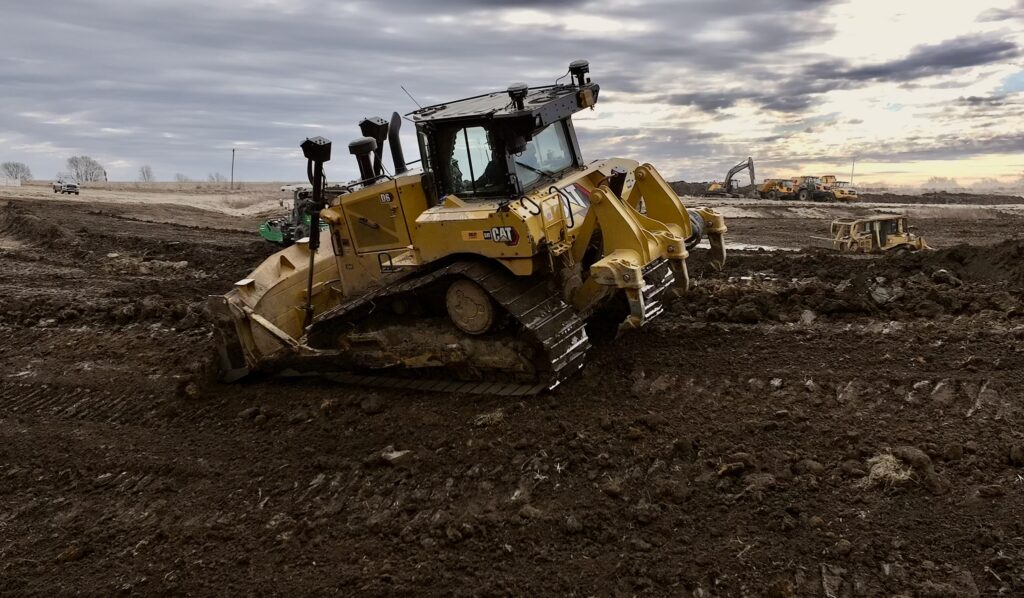
GPS-guided dozer grading a large pond and lake construction site, with an excavator, haul trucks and a scraper working behind it

Construction: GPS-guided machines building to the design.

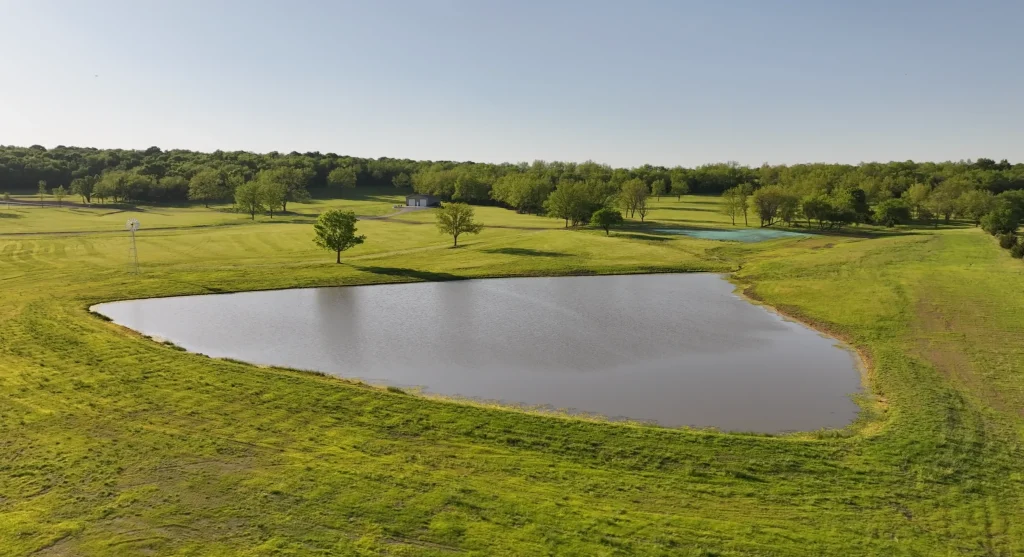
Aerial view of a restored farm pond in Kansas after a rebuild by Bulletproof Pond & Lake

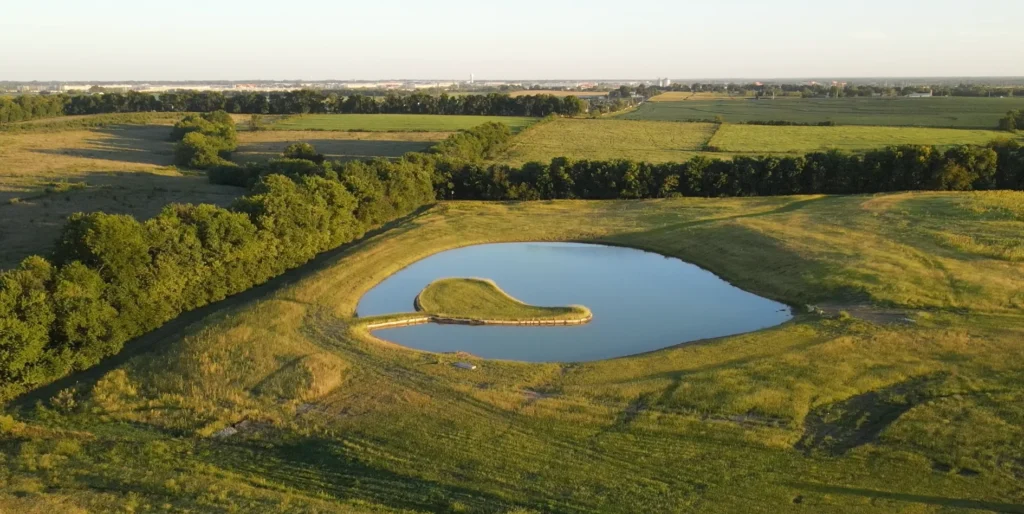
Finished: a restored farm pond in Kansas.

Talk to a Repair Specialist

Tell us what's happening and get straight answers on likely causes, options and costs, before anything is committed or spent.

See our full process →
Pond Repair FAQ

Pond and Lake Repair Questions, Answered

The questions owners ask most before a repair. Don't see yours? Ask it on a free call.

Talk it through with a specialist. We're happy to email, though a call answers your questions in depth before you commit or invest anything.

How do I know if my pond is leaking or just evaporating?

Evaporation is steady and affects every pond in the area about the same. A leak usually shows up as a faster drop, a drop that continues in cool or rainy weather, or wet ground below the dam. To confirm it, flag the full water line and re-flag weekly for 1 to 3 months, run a bucket test alongside it, and note any wet spots. Share what you find with your specialist. Water level monitoring, soil testing and an on-site inspection during diagnostics can confirm what's happening.

Can you fix a leaking pond without draining it?

Often, yes. Many dam repairs, including core liners and the Bulletproof Vertical Core Liner Method, only need the water lowered a few feet. Basin liners, full rebuilds and some larger clay core repairs do require draining. We'll tell you which applies after evaluating your site.

Will a pond sealer, bentonite or pigs fix my leak?

Sometimes, in the right conditions. Pig sealing relies on suitable clay already being in the pond, and bentonite usually needs dry ground, careful application and a lot more material than most people expect. None of them fix a dam built with the wrong soil or poor compaction, and we'll tell you plainly if a simpler option fits your pond.

How much does pond repair cost?

Pond and lake repairs start around $20,000, dam leak repairs around $120 to $150 per linear foot of dam, and overflow replacements around $10,000 to $25,000. Size, access, soil, the type of repair and how much is unknown about the pond all affect the final price, which you'll receive after an on-site evaluation.

What happens to my fish during a repair?

We plan each repair to protect as much of your fishery and habitat as possible, lowering the water only as far as the repair requires. When a pond does have to be drained, fish can often be relocated with help from our fisheries partners.

Do pond and dam repairs need a permit?

Some do, depending on the state, the size of the dam and whether a regulated waterway or wetland is involved. We'll help you understand which rules may apply and support your application with the site data and guidance regulators look for.

Can you repair a pond another contractor built?

Yes. It's a large share of our repair work. We diagnose the pond, explain what likely happened and repair the cause rather than the symptom.

Do you repair or rebuild wetlands?

Yes. We expand and rebuild wetlands, including ones that have filled in with silt, were built with improper design or excavation, or have faulty drainage systems. We plan the work around how you use the wetland, from waterfowl hunting to conservation.

What's the difference between a pond and lake specialist and an excavating company?

An excavating company moves dirt. A specialist finds out why a pond or lake is failing and designs the fix. We map sites with LiDAR, lab-test soil borings, model repairs in AutoCAD Civil 3D and work alongside fisheries biologists and licensed engineers when a project calls for it, so the repair addresses the cause.

Do you repair ponds outside the Kansas City area?

Yes. We're based in Basehor, Kansas, and repair ponds, lakes and wetlands across Kansas and Missouri, and serve Oklahoma, Arkansas, Nebraska, Iowa and beyond. Reach out wherever your property is.

Do you repair backyard water gardens or koi ponds?

Our focus is acreage ponds, lakes and wetlands. For water gardens and koi ponds, we're glad to point you toward specialists who build only those.

Why a Specialist

Pond and Lake Specialists, Proven in Practice

Anyone can call themselves a specialist online. For us, it shows in the work: since 2019, ponds and lakes have been our one specialty, and the experience behind your repair comes from real projects completed and real problems already solved.

Founded in 2019

Ponds, lakes and wetlands are our one specialty, not a side service added to a general excavation business.

15+ years per foreman

The foremen leading your repair each bring more than 15 years of individual experience and expertise in their field.

Decisions backed by data

LiDAR mapping, soil borings and lab testing guide the repair, so the plan rests on facts about your site instead of guesswork.

Methods we invented

Including the Bulletproof Vertical Core Liner Method, developed in-house by our founder, Ryan Cowart, in 2023.

True experts beside us

We proudly work alongside licensed engineers, fisheries biologists and other industry specialists, so every service and feature is handled by the best in that field.

Problems already solved

Years of completed projects mean we've met, and resolved, the issues that tend to surprise a contractor who only builds a pond now and then.

You wouldn't hire your concrete company to paint your house if you could hire a painter. It's the same with ponds, lakes, and wetlands.

There's real nuance to this field, and it takes years of finished projects to learn it. A general excavator, or a company that only recently started calling itself a pond specialist, hasn't had that time in the field yet. We stay in our lane, and that lane is your water.

We proudly work with specialist partners, too. We handle the bulk of the mass earthmoving, diagnostics, planning and design ourselves, and we're never afraid to bring in our specialist partners when a project calls for it or would benefit, so you get the best of each service and feature. Be cautious of anyone who claims they can do it all in-house.
Before you hire any pond and lake contractor, including us:

  • Look them up with the Secretary of State in the state they're based in to see how many years they've actually been in business.
  • Ask for references on ponds and lakes that have held water for more than just a few years after the work or the fix.
  • Look for finished ponds and lakes, not just construction photos. If a contractor can only show work in progress, with little evidence the finished water was actually theirs and not another contractor's, treat it as a red flag.
  • Look for real project photos, and multiple photos of the full process, from before through construction to the finished water. Verify they weren't taken from someone else's work, which has become increasingly common in every industry, not just ours. A quick reverse image search can help.
  • Ask about projects that went wrong and how they fixed them. A contractor who won't share real stories of problems and how they solved them, or who has no honest negative reviews at all, is a red flag that usually points to inexperience.
Be cautious with portfolios. Demonstration photos and design concepts are fine for inspiration, and we use them sparingly and label them clearly. Presenting another contractor's work, or AI-generated images, as your own is a different thing: it's unethical, dishonest and misleading, and it's become common across nearly every industry, not just ponds, lakes and wetlands. Before you invest, ask for real evidence: finished ponds and lakes, case studies and references you can verify.
Ours is documented across our featured projects, portfolio and social media on YouTube, Instagram and Facebook, and we keep adding more of the projects we've been documenting for years, along with new case studies. We've repaired numerous ponds and lakes with varying conditions and considerations, and we're happy to share more about the scenarios we've encountered during a consultation or site evaluation.

A little research up front keeps your investment from being wasted.

Bulletproof team analyzing a lake

Our team on site, reading the water before a plan is made.

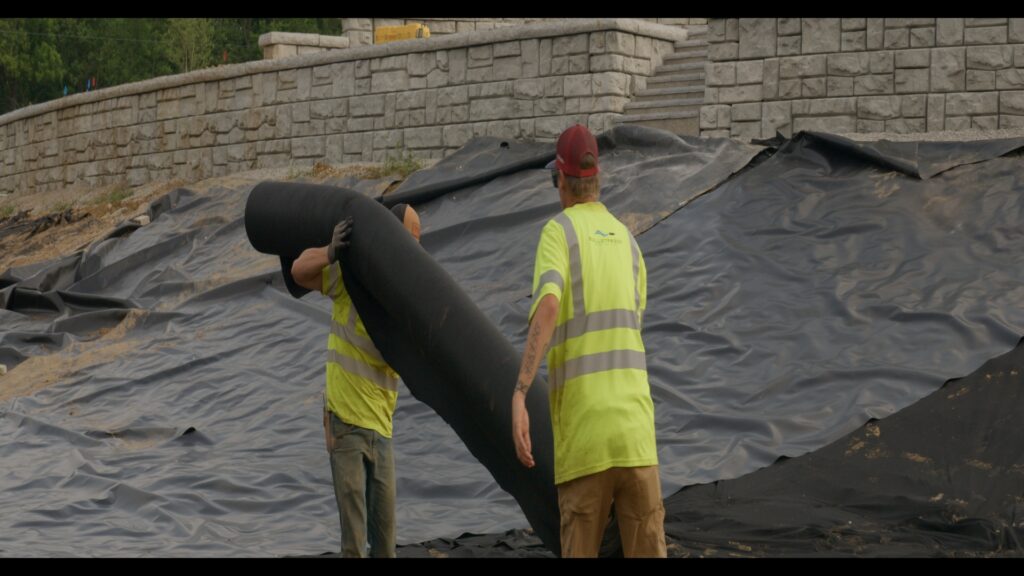
Two Bulletproof Pond & Lake crew members in hi-vis safety shirts carrying a roll of liner underlayment inside a pond basin below a stone retaining wall in Liberty, Missouri

Our liner crew installing underlayment in Liberty, Missouri.

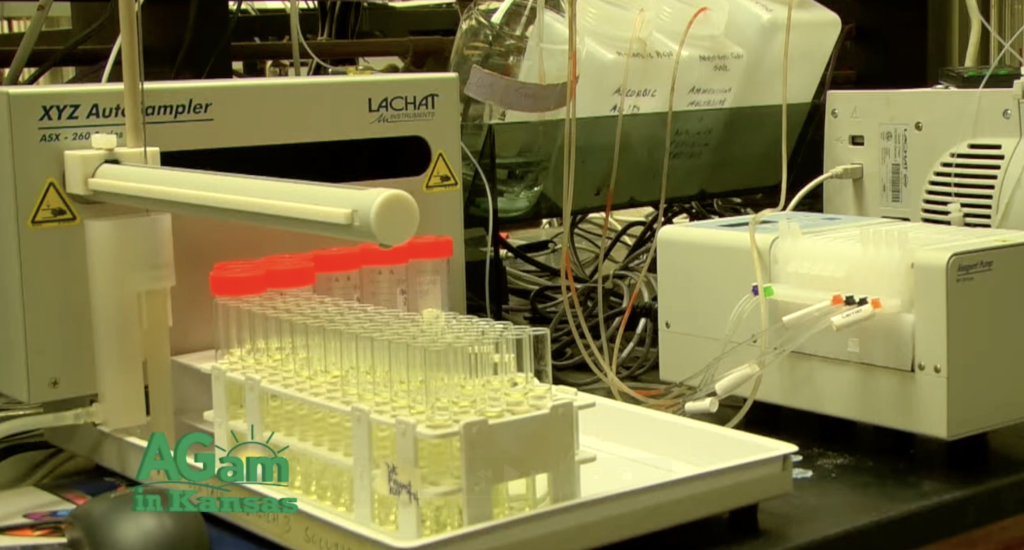
Laboratory bench with a rack of red-capped test tubes and automated analytical equipment in the background with tangled cables.",

Soil samples lab-tested at Kansas State University.

The Real Difference

What Separates a True Pond and Lake Specialist

From a guy with an excavator, or from someone who simply added the word “specialist” to their business. Ponds and lakes are engineered structures. Done right, they are anything but simple. Water finds every shortcut you leave it, so we don't leave many.

  • Soil diagnostics and lab testing before the first bucket moves
  • Historical and watershed research
  • Regulatory assistance
  • Designs built in AutoCAD Civil 3D
  • LiDAR mapping, verified before design
  • The same level of planning licensed engineers expect
  • GPS-equipped machines that build to the design, not to someone's eyeball
  • Better hiring, better training, and a standing commitment to be greater this year than last

Some contractors will call that overkill. Usually those are the ones who can't offer it. Every piece of it exists because somewhere, on some job, somebody learned the hard way why it mattered. Done right, it's how a real specialist stays competitive, stays innovative, and cuts your risk at the same time.

That's not marketing. That's the work: improving success rates through real-world experience and ongoing education.

We were named Bulletproof for more reasons than one. We build ponds and lakes every single day, and we treat it as a duty to our clients, to the land and to the communities we work in to do what's right, especially when it costs us.

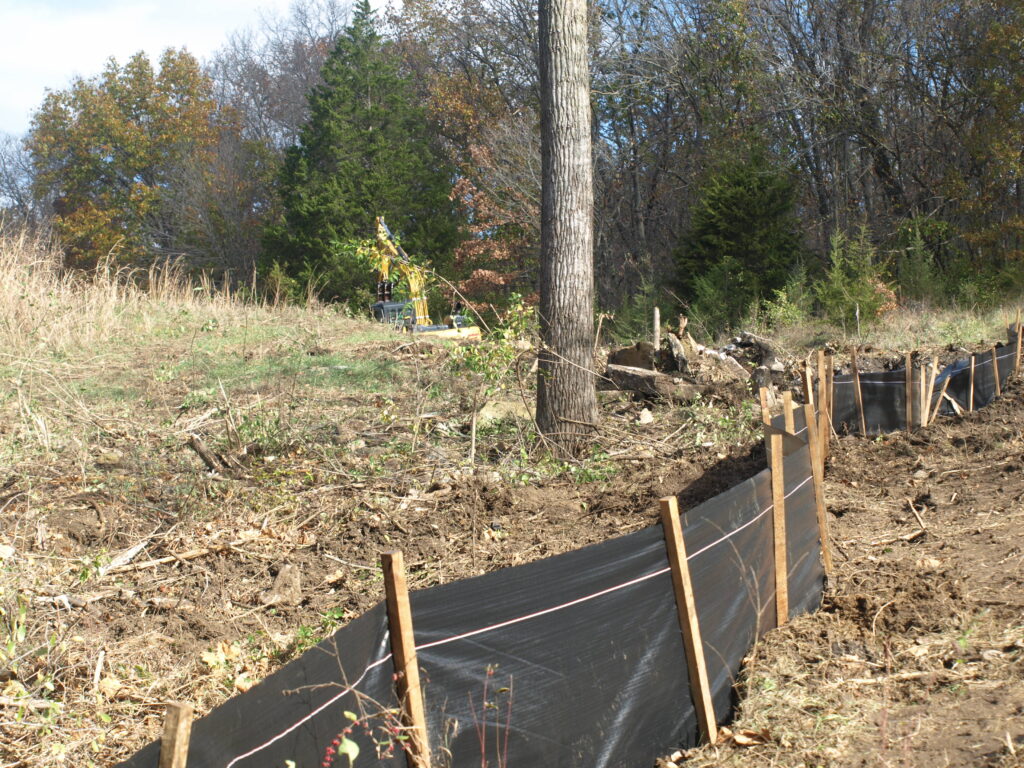
Staked silt fence installed along a cleared slope for erosion control on a pond construction and repair project in Olathe, Kansas

Silt fence erosion control, protecting the water and neighboring land.

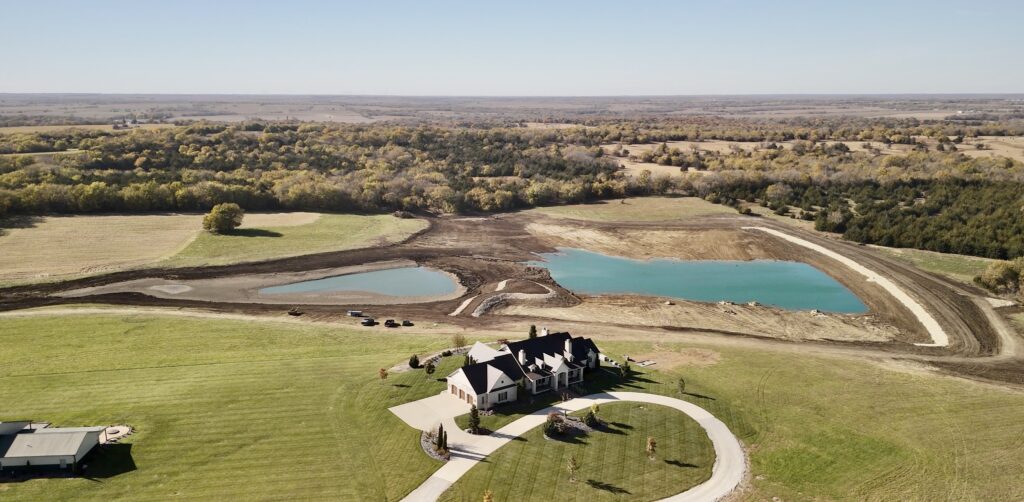
Aerial view of a modern farmhouse home overlooking a newly completed lake expansion beginning to fill with vivid blue water, with a riprap-lined peninsula, riprap dam and natural boulder fish habitat in Melvern, Kansas

Construction complete: a 12-acre lake filling in Melvern, Kansas.

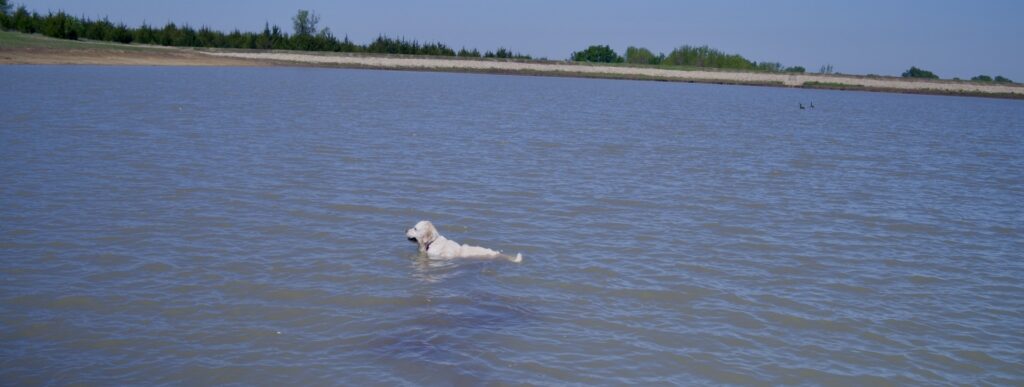
White dog wading in a nearly 12-acre lake with a riprap dam in the background and a pair of geese on the water in Melvern, Kansas

The finished lake, already enjoyed by the family dog.

Ready to Repair Your Pond or Lake?

Bridging the Gap Between the Land and Your Imagination

Pond and lake repair and renovation projects in: Olathe, KS · Liberty, MO · Melvern, KS · Centerville, KS · Grain Valley, MO · Perry, KS

More from Bulletproof: Large Pond and Lake Construction · Pond and Lake Lining · Pond Cleaning and Dredging · Shoreline Edging · Excavation

Based in Basehor, Kansas, repairing ponds and lakes across the Kansas City area, Kansas, Missouri and the continental United States.