Pond and Lake Dredging, Cleanouts and Muck Removal in Kansas, Missouri and Beyond

Bring back the depth,
the water and the view.

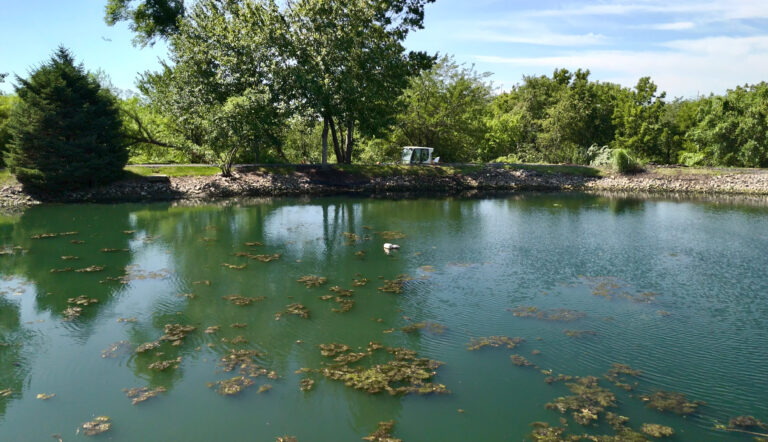
When muck, silt and overgrowth have taken over a pond or lake, our specialists plan a strategic cleanout around your water, your fish and habitat, and where every load of muck will go. Full, partial or phased, we restore the depth you've been missing.

Talk with a pond and lake specialist for free by phone. Based in Basehor, Kansas, cleaning out and dredging ponds and lakes across Kansas, Missouri and the continental United States.

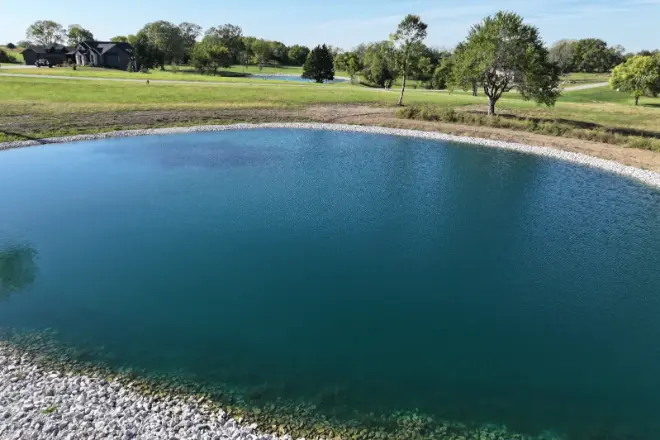
Depth restoredWe remove the muck and silt that have filled in your pond, so the water is deep enough again for fish, swimming and a clear view from the house.
Tested before we digSoil borings, LiDAR, bathymetric and sonar mapping, and lab testing show how much muck is there and what your basin is made of, so a cleanout doesn't uncover a new problem.
A plan for the muckPlaced strategically on site, shaped into the land or hauled off only when it's the smart call, we decide where it goes before day one.
Specialists in practicePonds, lakes and wetlands have been our focus since 2019, and cleanouts are planned by specialists and carried out by our own crews.
Before, During and After

From Muck and Overgrowth to Deep, Clear Water

A real cleanout by our crew at Cedar Lake Village in Olathe, Kansas, from the first look to the finished pond.

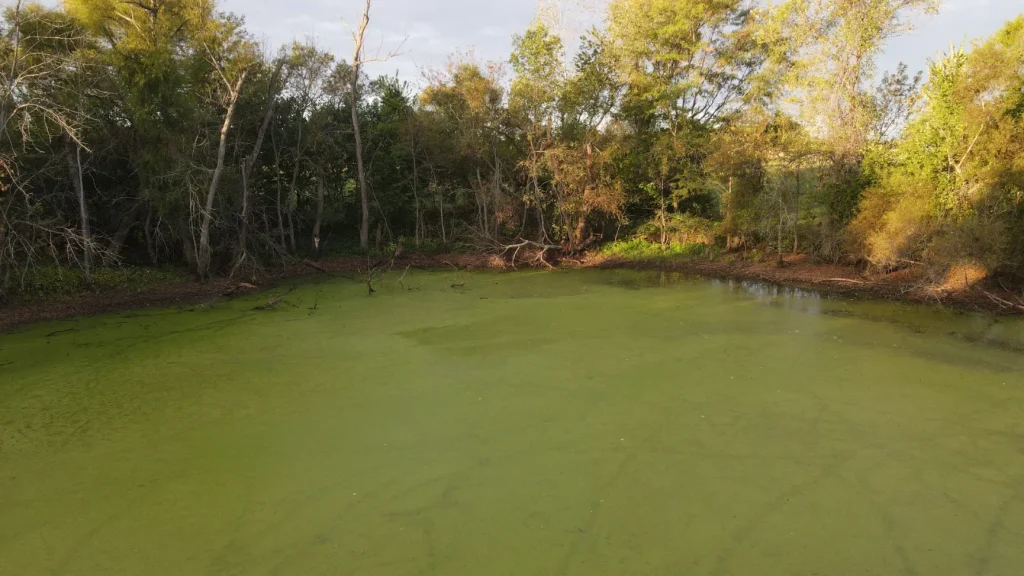
Aerial view of the Cedar Lake Village pond in Olathe, Kansas before renovation, with green algae, shallow water, overgrown trees and an aging walking path

Before: muck, algae and overgrowth had taken over the pond

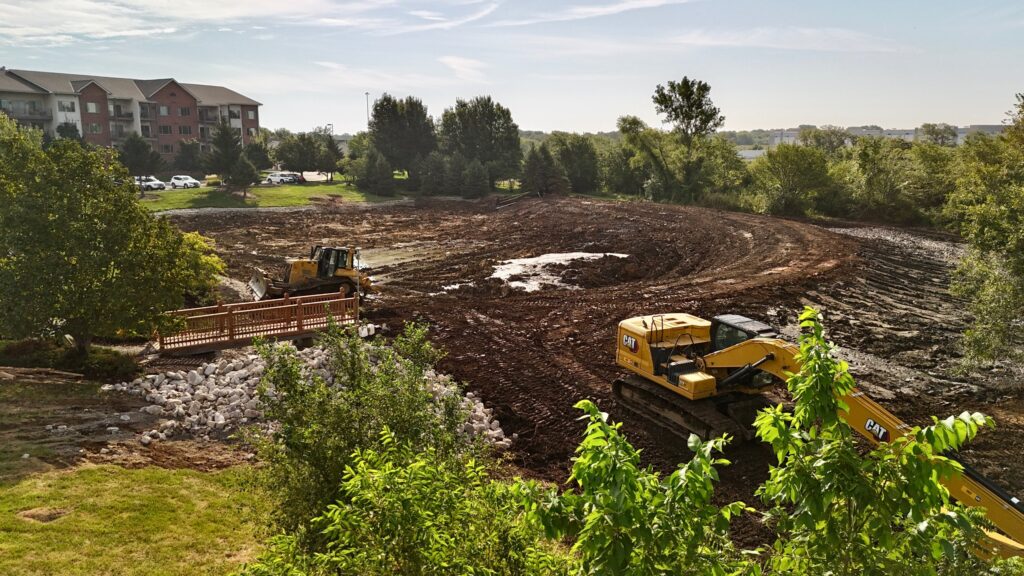
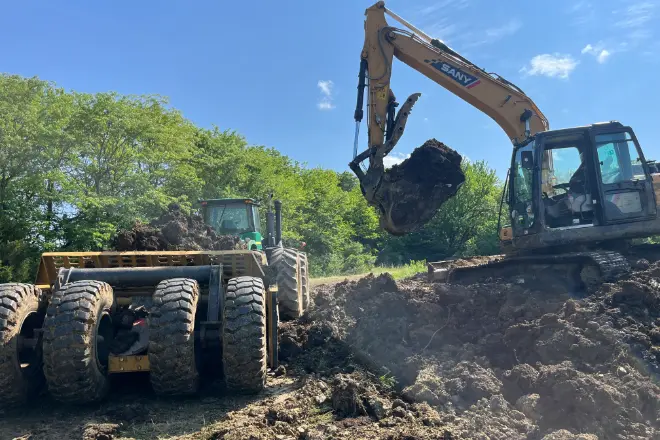
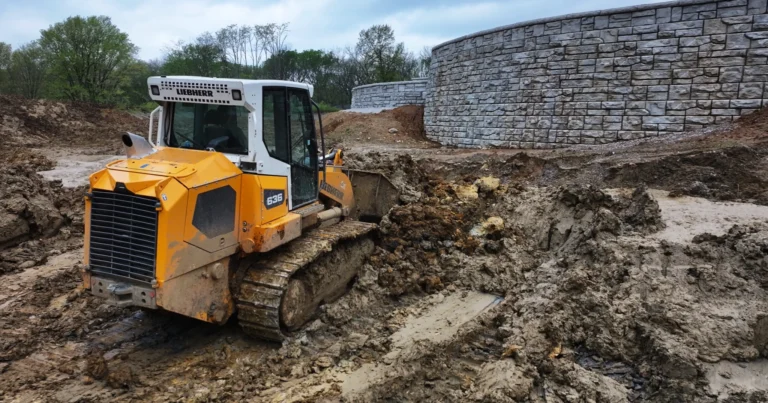
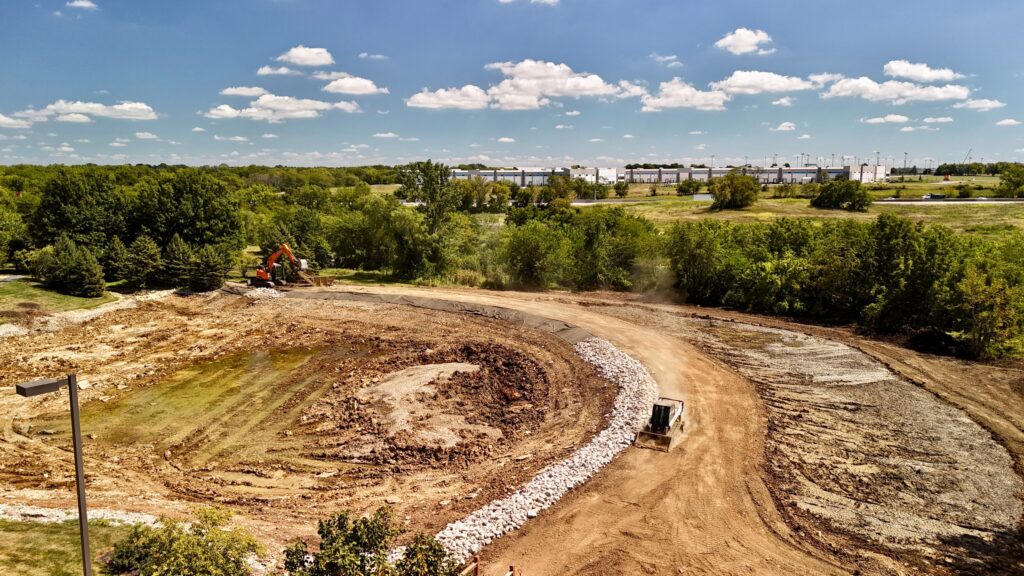
Long-reach excavator and GPS dozer dredging muck and silt from the drained Cedar Lake Village pond in Olathe, Kansas

During: drained and dredged with long-reach excavators

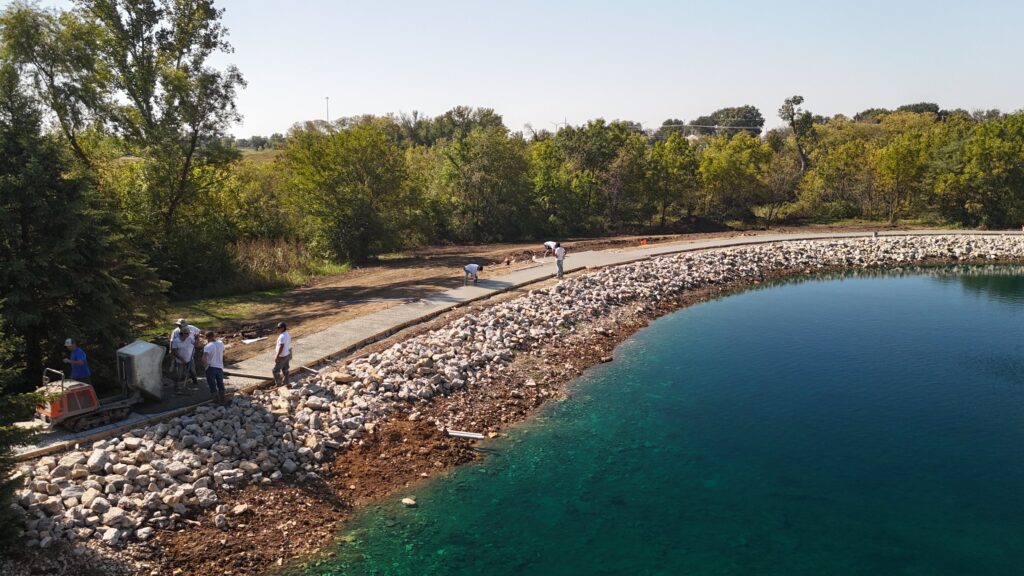
Crew pouring a concrete walking path above new riprap shoreline as the renovated Cedar Lake Village pond refills in Olathe, Kansas

Finishing: a new riprap shoreline and walking path

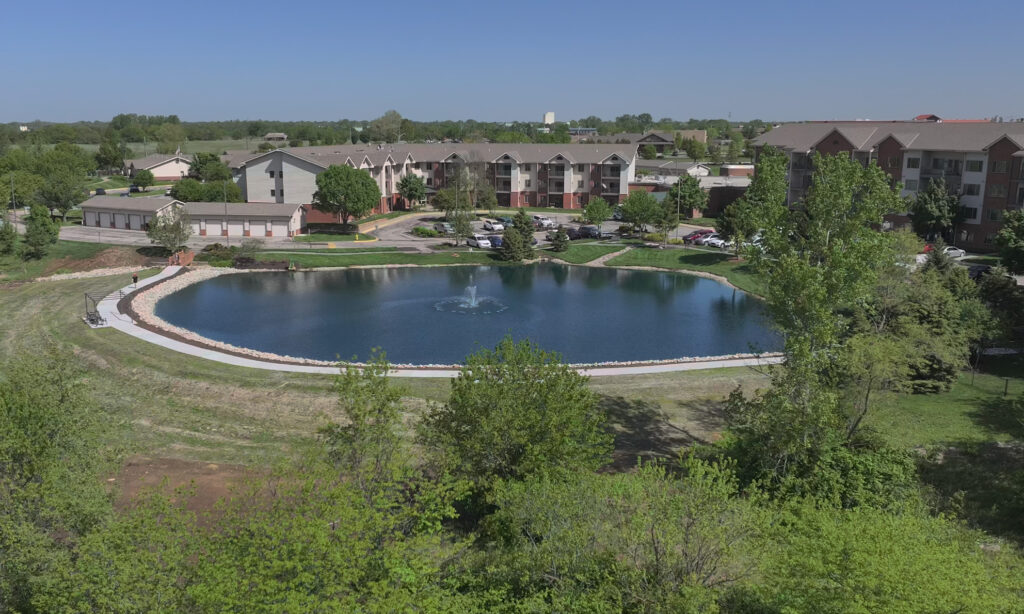
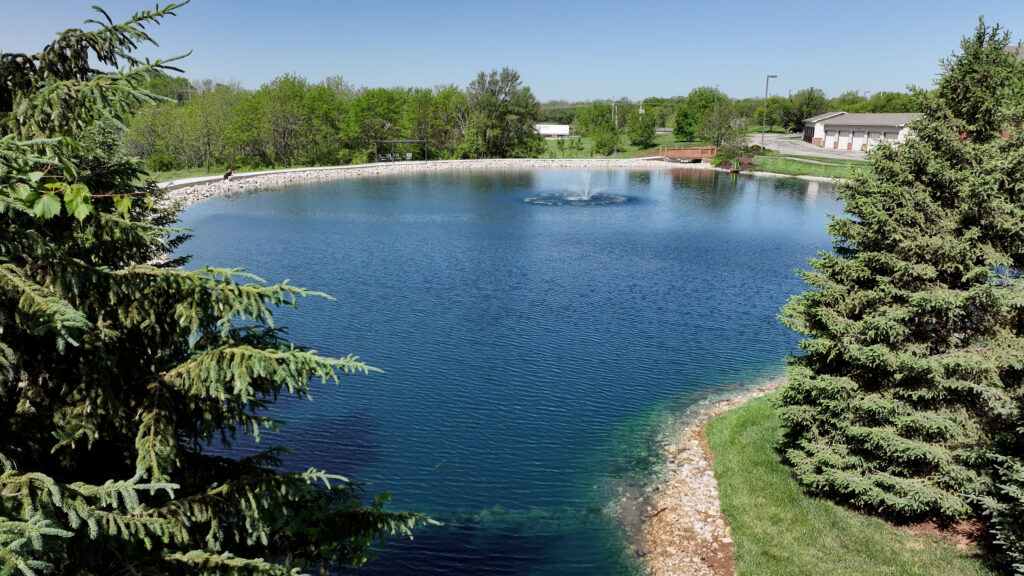
Aerial view of the completed Cedar Lake Village pond renovation in Olathe, Kansas, with clear blue water, a fountain, riprap shoreline and a concrete walking path

After: depth restored and the pond refilled

Warning Signs

Signs Your Pond or Lake Needs Cleaning or Dredging

Every pond collects sediment. Soil washes in from the watershed, leaves and vegetation settle and break down, and over the years the basin quietly fills in. Many ponds across Kansas and Missouri fill in faster than their owners expect. These are the signs it's time to bring the depth back.

The edges are shallow and the pond keeps shrinking

Flats spread out from the bank, cattails creep in, and the open water gets a little smaller every year.

Algae and weeds keep coming back

Treatments buy a few weeks, but the muck on the bottom keeps feeding the growth.

The water smells or looks stagnant

Decaying muck uses up oxygen and can leave the water murky and sour-smelling, especially in summer.

Fish are struggling

Less depth means warmer summer water, less oxygen and less room in winter. You may notice fewer bites or a die-off.

You sink into muck at the shoreline

Soft, deep muck at the edge makes the pond hard to enjoy and unsafe for kids, pets and livestock.

Silt is building up at the inlet or overflow

Sediment around the inlet or overflow changes how water enters and leaves the pond, and it's worth catching early.

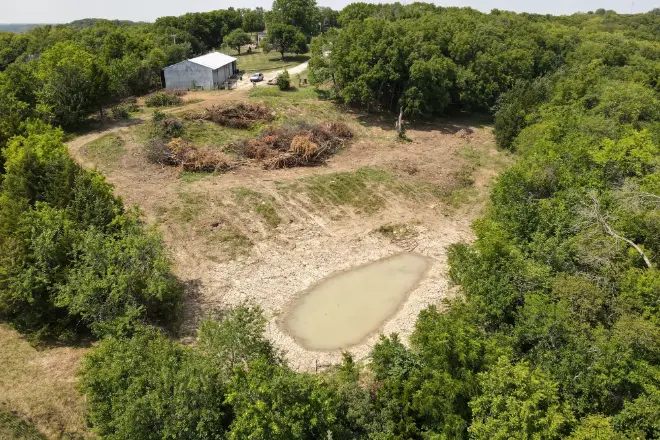
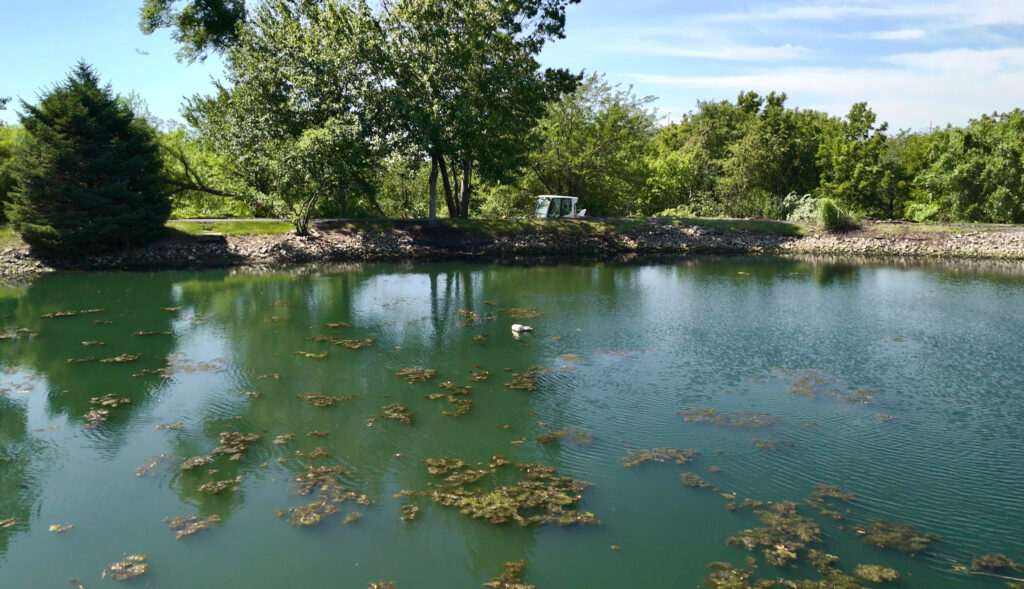
Overgrown and algae-covered pond in Grain Valley, MO, before restoration by Bulletproof Pond and Lake, highlighting the need for professional pond dredging and water quality improvement.

An overgrown, algae-covered pond in Grain Valley, Missouri, before its cleanout

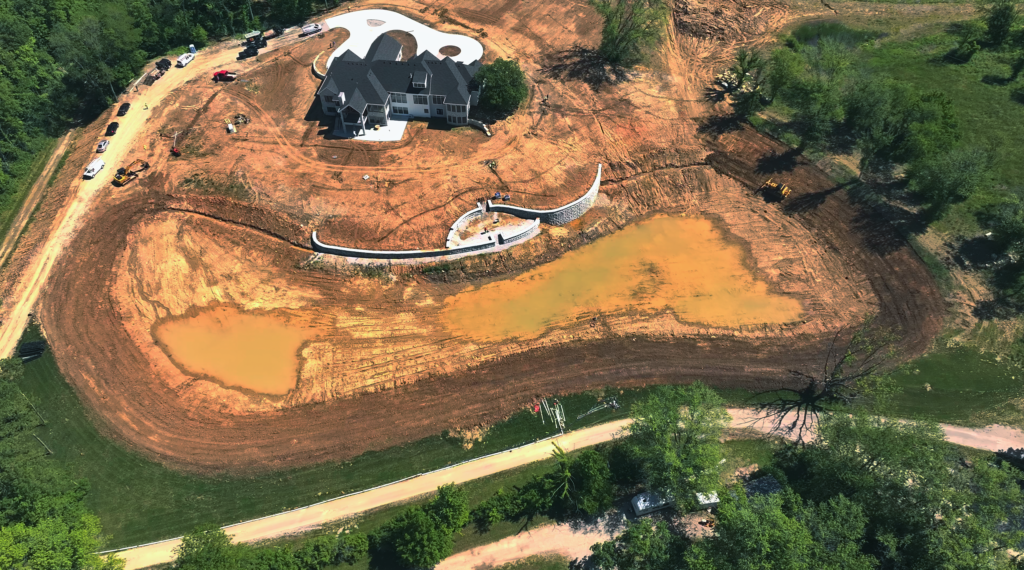
Aerial view of a raw, unlined leaking pond basin holding muddy water in its low spots below a luxury home under construction in Liberty, Missouri

Years of muck and silt left this Liberty, Missouri basin shallow and unusable

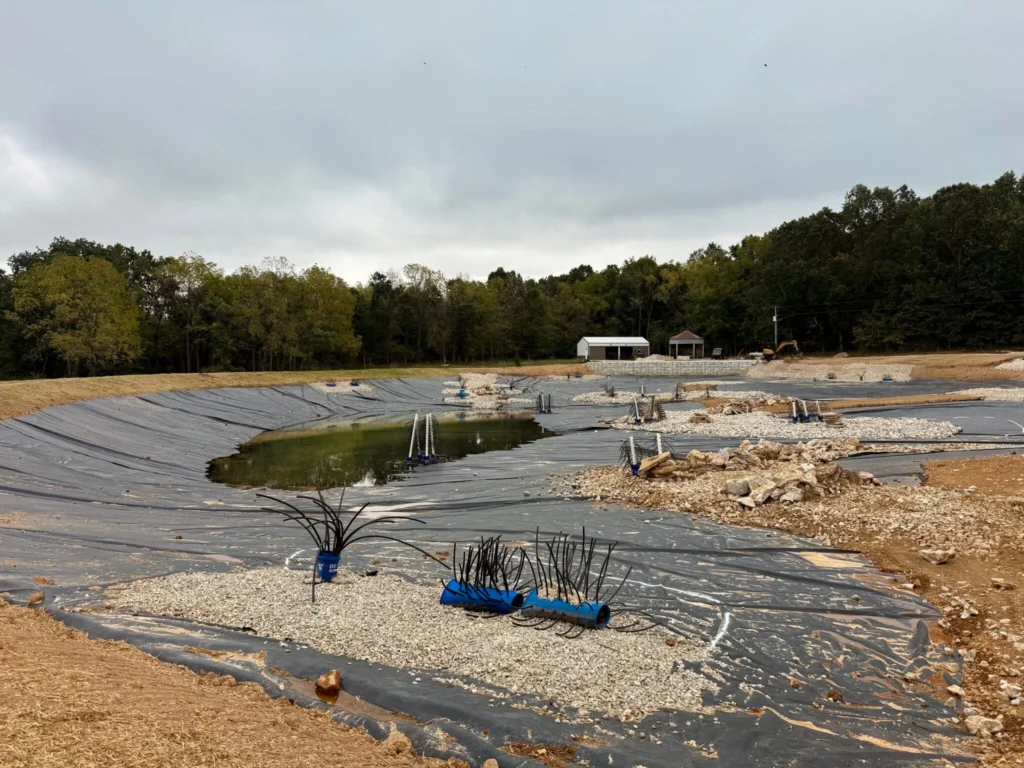
A pond after being mucked out

A pond basin after its muck was removed, ready for regrading

Not sure how much muck is down there?

Send photos or a short video of your pond, and we'll tell you what we see and what the next step should be.

Cleanout and Dredging Options

Pond Cleanouts and Dredging Methods, Matched to Your Pond

There's no single right way to clean out a pond. The best method depends on how much muck is in it, how you use the water, whether you want to keep your fish, how equipment can reach it and what you want the finished pond to look like. You don't always have to drain the whole pond or lose its fish and habitat. Cleanouts can be strategic and phased, and we'll help you choose the approach that fits your goals and budget.

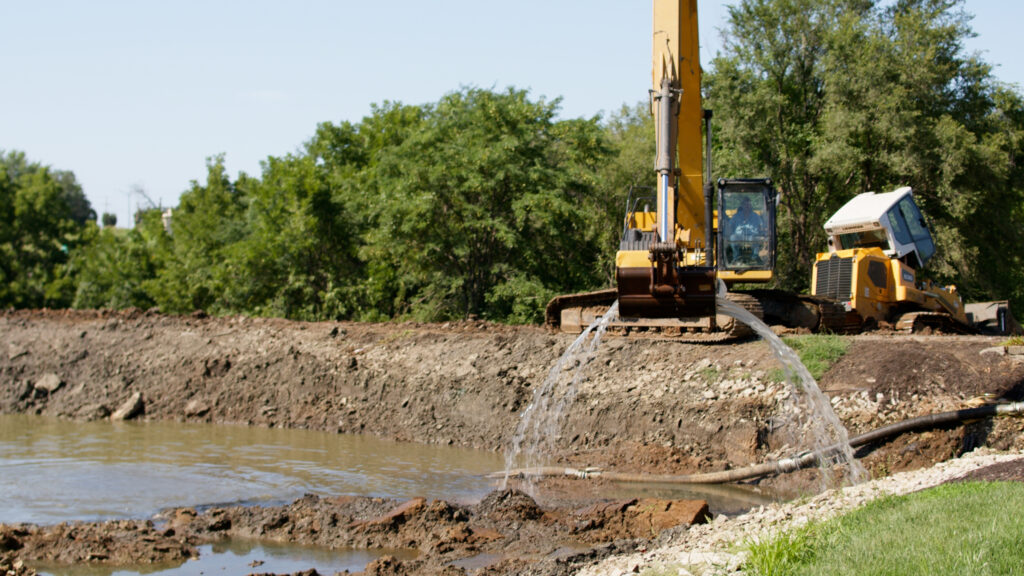
Long-reach excavator removing muck and sediment from the partially drained Cedar Lake Village pond in Olathe, Kansas while a pump hose dewaters the basin

Edge and Shoreline Cleanouts

We reach out from the bank with long-reach excavators to remove muck and overgrowth along the shoreline, often without draining. It’s a fast, economical way to reclaim shallow edges and open water.

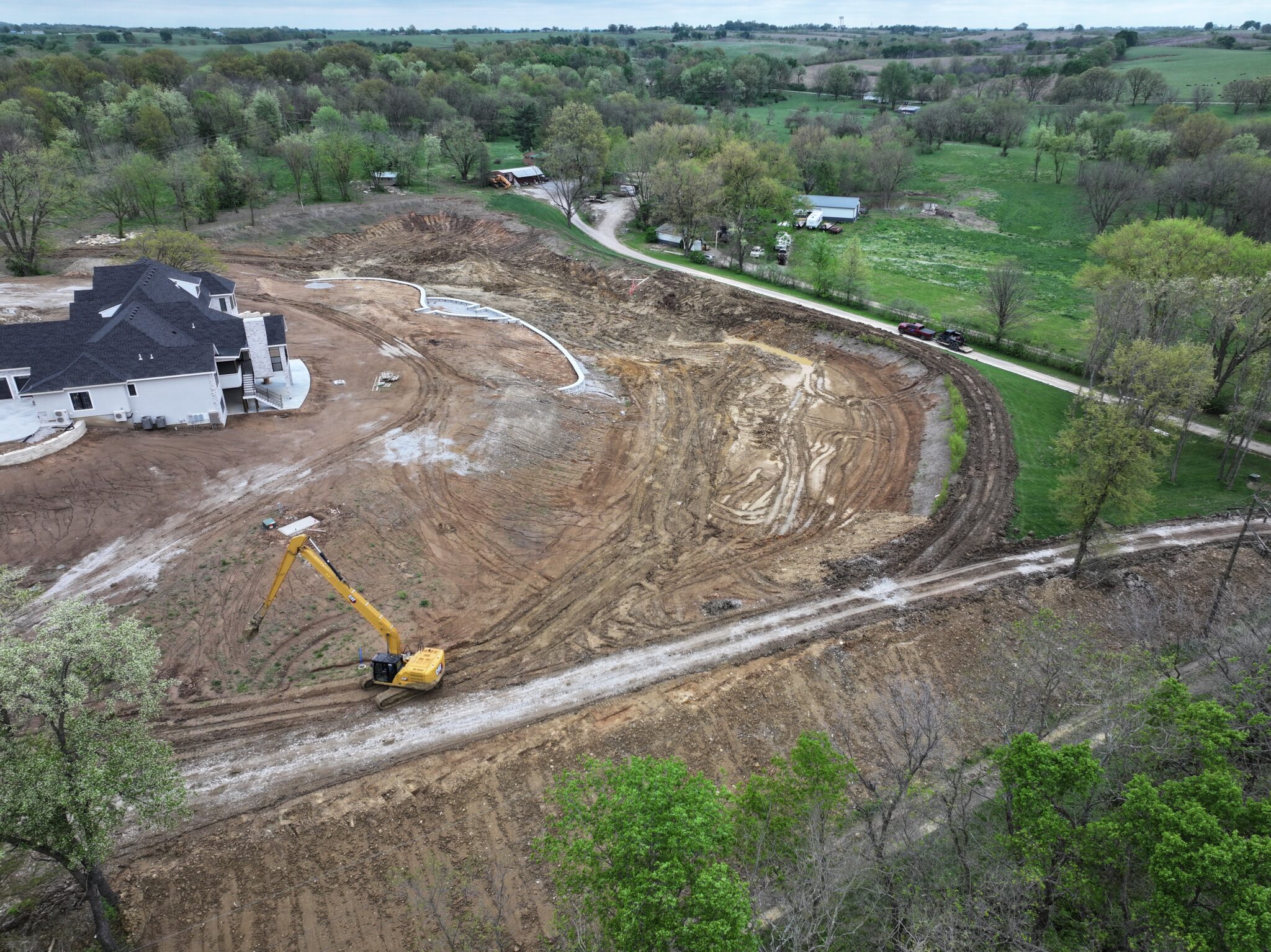
Long reach excavator removing muck and sediment from a pond basin below a luxury home in Liberty, Missouri, with a soil drill rig on a truck nearby

Full Cleanouts

We drain the pond and remove the muck and silt down to the original basin to restore its full depth. It’s the most complete reset, and the best time to reshape, deepen or add features.

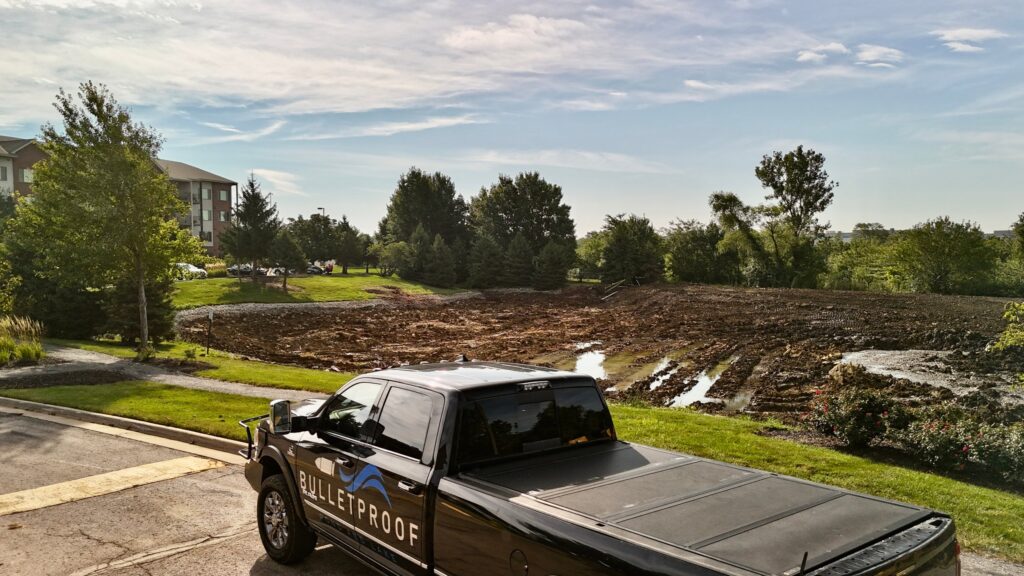
Bulletproof Pond & Lake truck parked beside the drained Cedar Lake Village pond during dredging and muck removal in Olathe, Kansas

Partial, Phased and Sectional Cleanouts

Clean out the worst areas first and the rest later, or work one section at a time while the rest of the pond holds water. It spreads out the cost and preserves fish, habitat and wildlife instead of starting over from zero.

Renovated Cedar Lake Village pond in Olathe, Kansas framed by mature evergreens, with a fountain, riprap shoreline and an entertaining spot across the water

Hydraulic Dredging

Where draining isn’t practical, or you want to keep fish and habitat in place, we dredge with the water still in the pond. Our team runs it in-house and brings in specialized equipment when it’s the right fit.

A muck out being done by Bulletproof Pond and Lake - pond dredging - pond cleaning cost

Strategic Muck Placement

Muck doesn’t have to be dumped on the bank or trucked away. We plan it before work starts: trenched and buried out of sight, shaped into berms and landscape, used to build up low ground, or hauled off only when that’s the smartest call.

Not sure which fits? We often combine methods, like a phased cleanout with hydraulic dredging in the deep water, to restore depth while keeping as much of your pond's life in place as possible.

Pond leaking, or ready to make it bigger?

We also repair leaking ponds and dams and expand ponds into larger ponds and lakes, often as part of the same project as a cleanout.

Cleanout and Dredging Projects

Ponds We've Cleaned Out, Dredged and Brought Back

From senior living communities to family farm ponds and private estates, here's what a pond cleanout looks like when it's planned well.

Renovated Cedar Lake Village pond in Olathe, Kansas, with a new riprap shoreline, entertaining area and fountainThe Cedar Lake Village pond in Olathe, Kansas, overgrown with algae before its cleanoutBefore
Featured Cleanout · Olathe, Johnson County, Kansas

A Community Pond Dredged, Reshored and Walkable Again

Cedar Lake Village, a senior living community in Olathe, had a pond so full of muck and overgrowth that treatments could no longer keep up. We drained it, removed the muck, kept it on site in a trench behind the dam and finished with a riprap shoreline and a new concrete walking path.

  • Total cleanout and dredging, with depth restored
  • LiDAR mapping and soil borings lab-tested at Kansas State University before work began
  • Muck kept on site in a trench behind the dam instead of hauled off, saving over $100,000
  • Completed in about 6 weeks
Read the full Olathe project →

Swipe for more projects →

These are a few of the many ponds we've cleaned out. Many of our projects are high-profile or kept confidential and off the web. Browse all featured projects →

Plan Before You Dig

Why We Test the Basin Before a Pond Cleanout

A cleanout can look like simple digging. The real risk sits underneath the muck, and a little testing up front protects the pond you're paying to restore.

Years of muck can cover weak spots in a pond's bottom or dam and partially seal them. Once the depth comes back, an old leak can show up for the first time. Owners often blame the cleanout when that happens, but the cause usually traces back to how the pond was first built, especially when the original builder used a thin clay layer or bentonite.

It's also easy to dig straight through the muck and into the clay that seals the basin when no one knows how deep the muck goes or where the clay begins. That's why our cleanouts start with:

  • Deep soil borings around the pond and dam, with layered core samples lab-tested for clay content
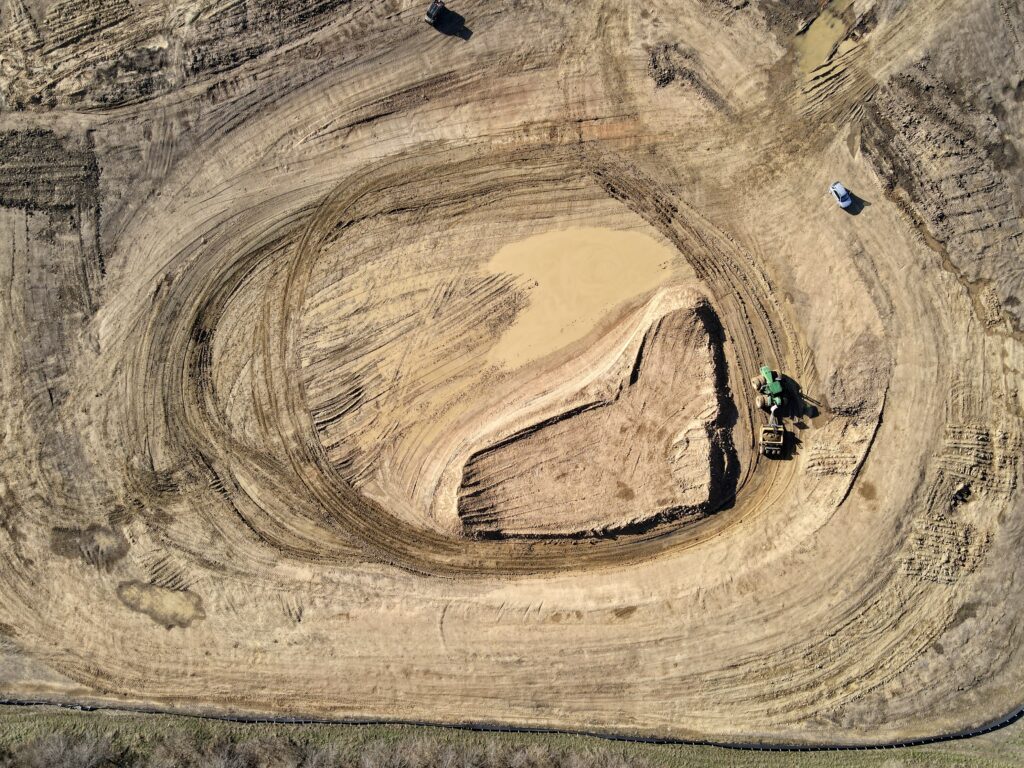
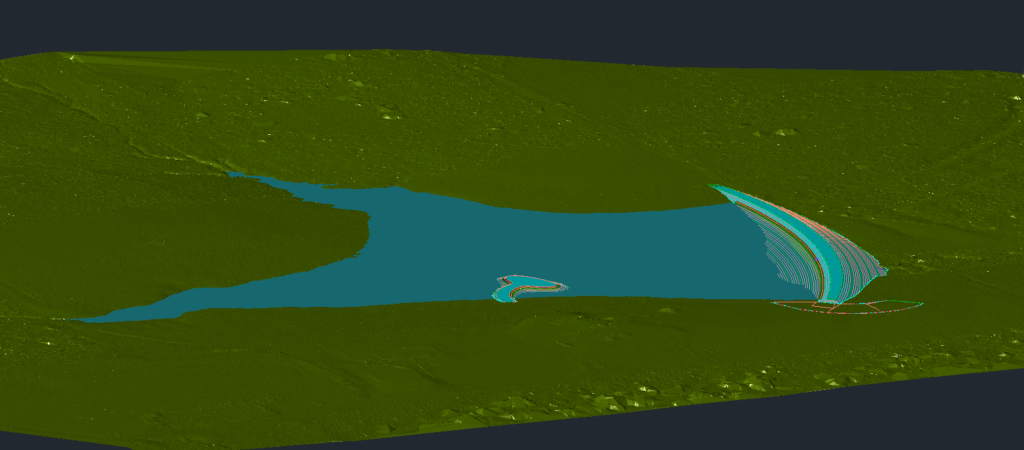
  • LiDAR mapping to measure real quantities and plan exactly where the muck will go
  • Bathymetric and sonar mapping of the pond bottom, so we know how much muck is down there, where it ends and where the basin begins
  • A design in AutoCAD Civil 3D that loads straight into our GPS-equipped machines

Diagnostics are always recommended for managing risk, but they aren't one-size-fits-all. If a pond has no history of trouble holding water, some studies would be a waste of your investment, and we'll tell you so. You can also move forward on a rough plan or your own plans on a time-and-materials basis.

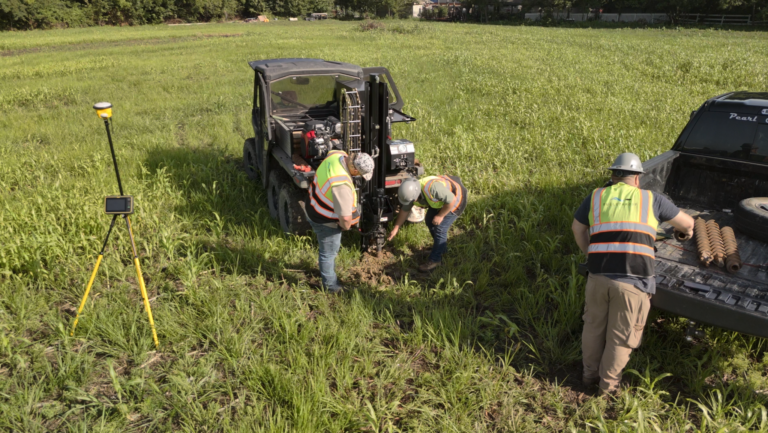
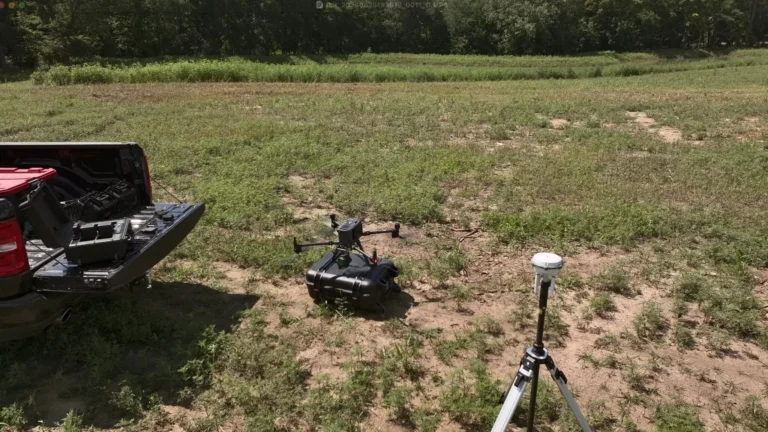
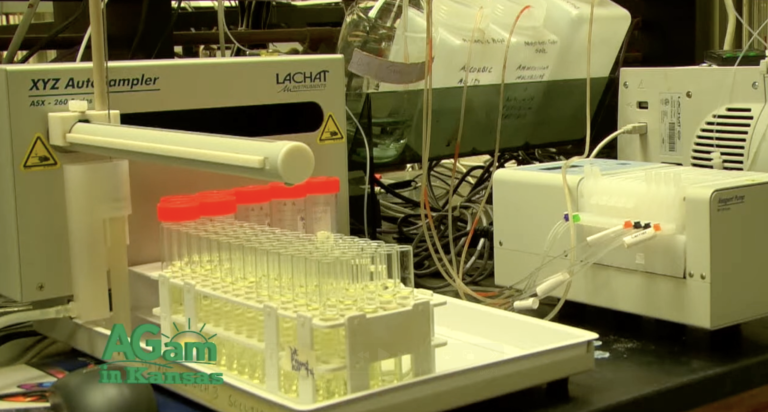
Bulletproof Pond and Lake crew drilling soil borings with a dedicated drill rigLiDAR drone survey setup for pond and lake mappingPond soil samples being lab-tested at Kansas State UniversityLiDAR contour map of the Cedar Lake Village pond in Olathe, Kansas
Soil borings with our own drill rig, LiDAR mapping, lab testing at Kansas State University and contour maps for the Cedar Lake Village cleanout.
Where the Muck Goes

Strategic Muck Placement, Not Just Dump It or Haul It Off

Muck comes out wet and heavy, and there's usually far more of it than owners expect. The quick answers are to dump it on the bank or haul it away, and neither is always the smart one. Where it goes shapes your cost, your timeline and how your property looks for years, so we plan it strategically before the first load comes out.

There are plenty of options, not just hauling it off or spreading it out.

Every site is different. We look at your land, your budget, the regulations and how you want the property to look, then plan where every load goes before work starts. Keeping material on site is usually far more economical, and with a little creativity it can even become part of what makes your pond special.

Real example: at Cedar Lake Village in Olathe, Kansas, we planned a trench on the back side of the dam to hold the muck, saving the community over $100,000 compared with hauling it off. Read the full story →

Strategic options we plan for

  • Trenched and buried behind the dam or out of view, as on our Olathe project, where it saved over $100,000 compared with haul-off
  • Shaped into berms, hills and landscape features that blend into the property
  • Used to build up low ground or reshape areas around the pond
  • Set in drying areas and phased so it can be graded and seeded in stages
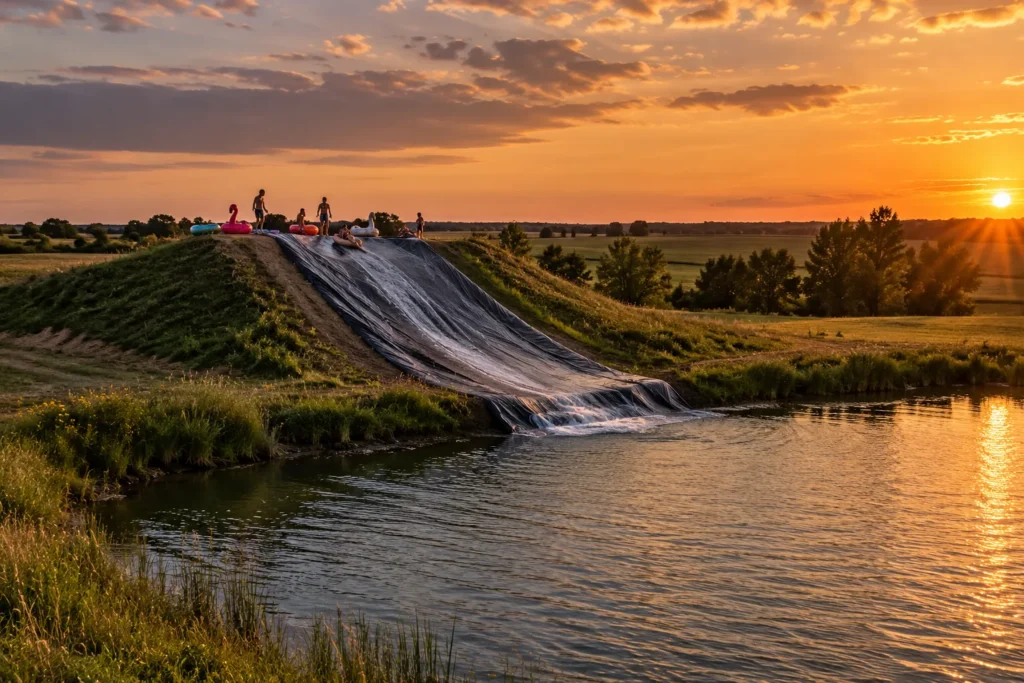
  • Shaped into a lined slip-and-slide berm that runs into the pond, our own creative way to put spoils to use
  • Hauled away only when the site, the neighbors or the regulations make it the smartest call

Local rules and the land around your pond decide what's allowed, and we plan placement to stay within them.

Regulatory Support

Permits and regulations, handled with you

Cleanouts can involve land disturbance permits, erosion control requirements and rules for work near streams and wetlands. You apply for your permits, and we support you with the design, mapping data and guidance agencies ask for.

We're familiar with working alongside regulatory agencies, states and cities, we always recommend following the rules, and we can point you toward grants, cost-share and conservation programs worth considering.

Design concept of a slip-and-slide water slide down a berm built from pond spoils, lined with heavy-duty synthetic liner and running into the pond at sunset, by Bulletproof Pond and LakeDesign Concept
A Bulletproof Original

The Slip-and-Slide Berm

Spoils from a cleanout or expansion don't have to be a cost to get rid of. We came up with the idea of shaping suitable material into a berm beside the pond and lining it to create a private slip-and-slide that runs right into the water.

It recycles material that might otherwise be hauled away, saves on moving earth, and turns it into a feature your family and guests will use every summer. Every berm is planned around the site, the material and safety.

Long-reach excavator and GPS dozer dredging muck and silt from the drained Cedar Lake Village pond in Olathe, Kansas

Muck loaded out and moved to its planned placement area

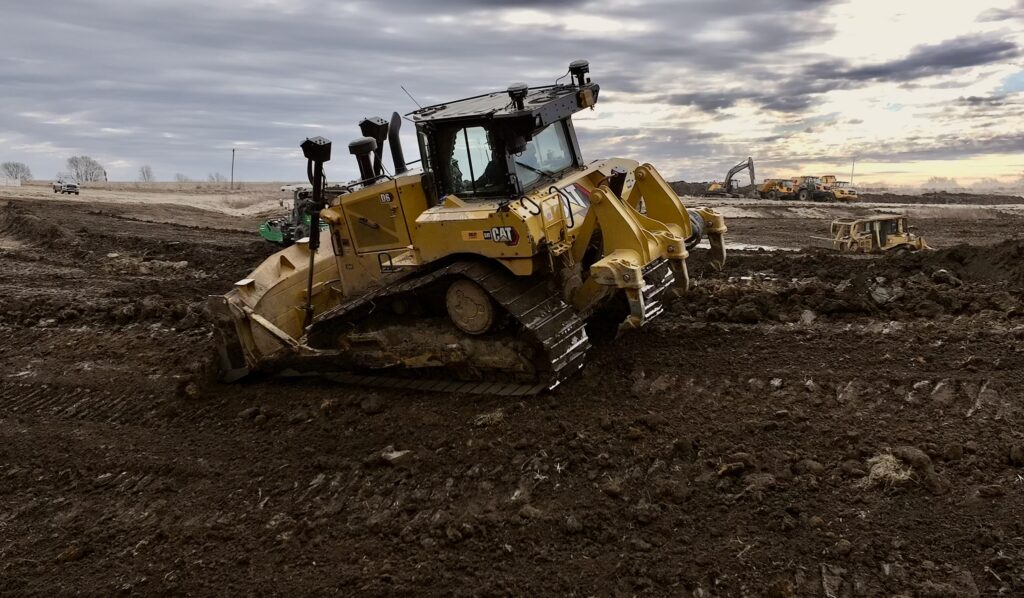
GPS-guided dozer grading a large pond and lake construction site, with an excavator, haul trucks and a scraper working behind it

GPS-equipped machines grading placement areas to the plan

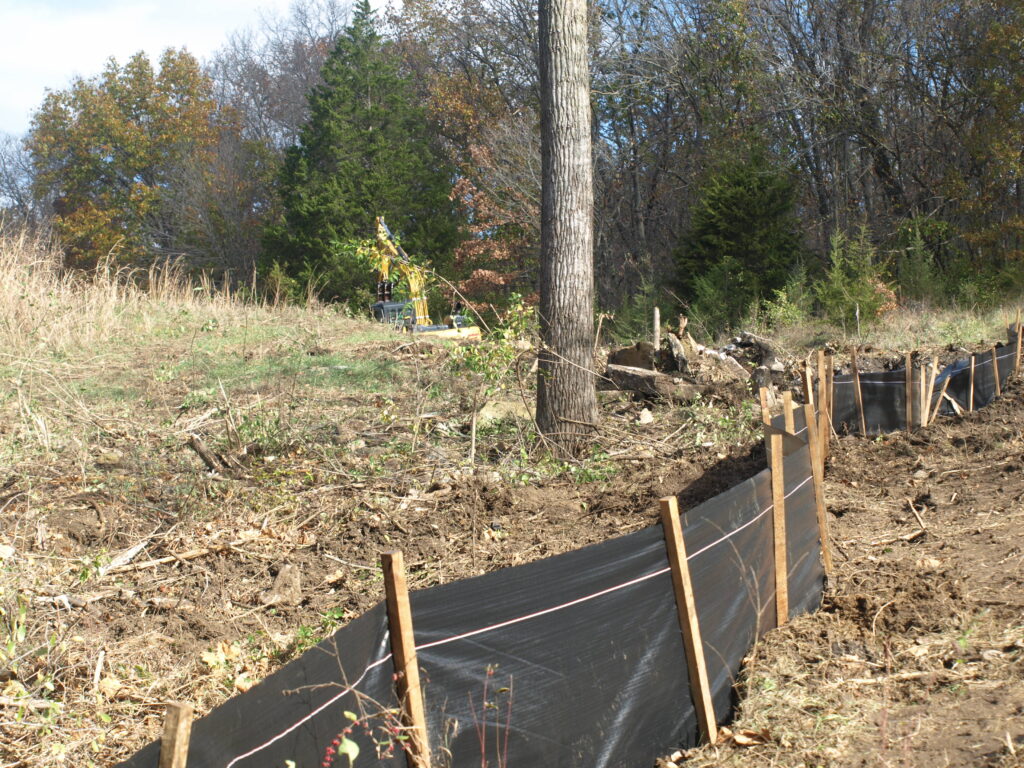
Staked silt fence installed along a cleared slope for erosion control on a pond construction and repair project in Olathe, Kansas

Silt fence and erosion control protecting the land and water downstream

While the Pond Is Empty

Upgrades That Cost Less to Add During a Cleanout

With the water down and our equipment already on site, a cleanout is the most economical time to make your pond better than it was. Adding the same features later means paying to mobilize, and often drain, all over again.

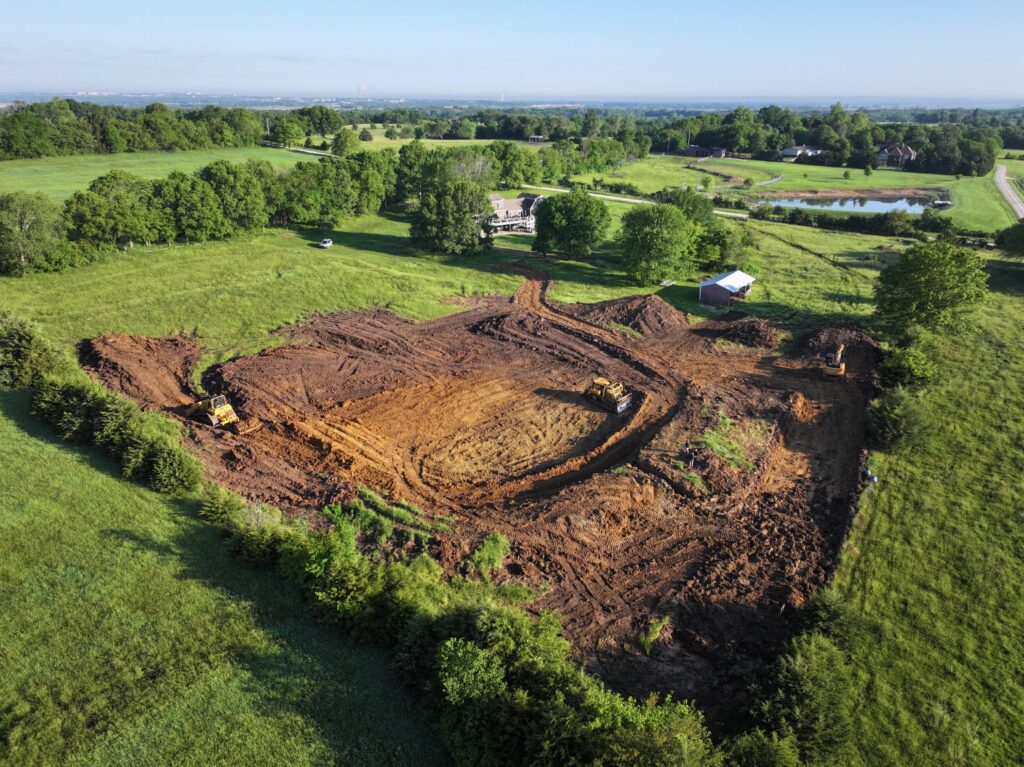
Aerial view of a Bulletproof Pond & Lake pond dam repair, cleanout and expansion in Eudora, Kansas, with dozers, an excavator and a compactor building a clay core trench

Deepen or Expand the Pond

Restore the original depth or go deeper, and grow a small pond into a large pond or lake while the basin is open.

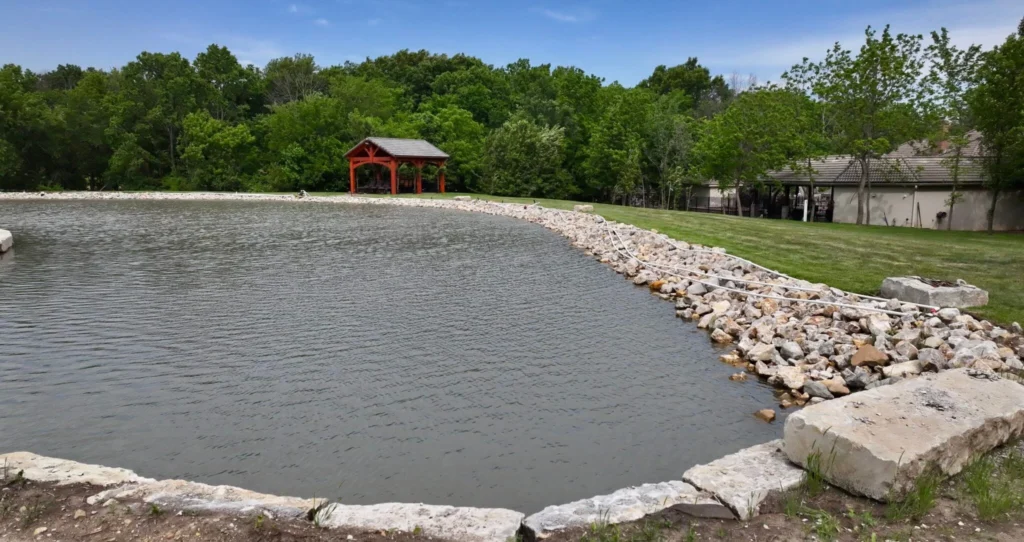
Limestone edging and riprap shoreline around a large pond and peninsula on an upscale property near Kansas City, Missouri

Riprap and Shoreline Edging

Rock or limestone edging protects the banks from erosion and helps the pond stay cleaner for longer.

Fish structure in a lined pond by Bulletproof Pond and Lake, with fish habitat and varied depths built into the pond design

Fish Habitat and Spawning Areas

Add fish structure, spawning areas and varied depths, planned with fisheries biologists when the pond is built for fishing.

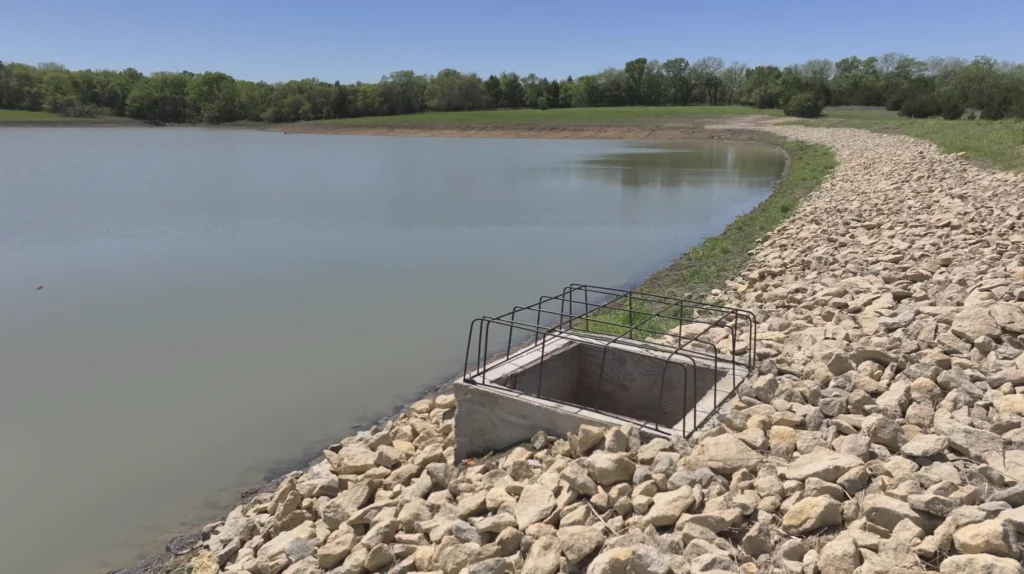
Custom concrete drop inlet overflow with a steel trash rack set into a riprap-lined dam, built by Bulletproof Pond and Lake on a lake in Melvern, Kansas

A New Overflow or Drop Inlet

Replace a failing or undersized overflow while the water is down, often with a custom concrete drop inlet and trash rack.

Algae-covered Cedar Lake Village pond in Olathe, Kansas as Bulletproof Pond & Lake heavy equipment begins tree clearing along the dam and aging walking path

Clear Trees Off the Dam

Trees and brush growing on a clay dam can weaken it as their roots spread. A cleanout is the right time to clear them and protect the dam.

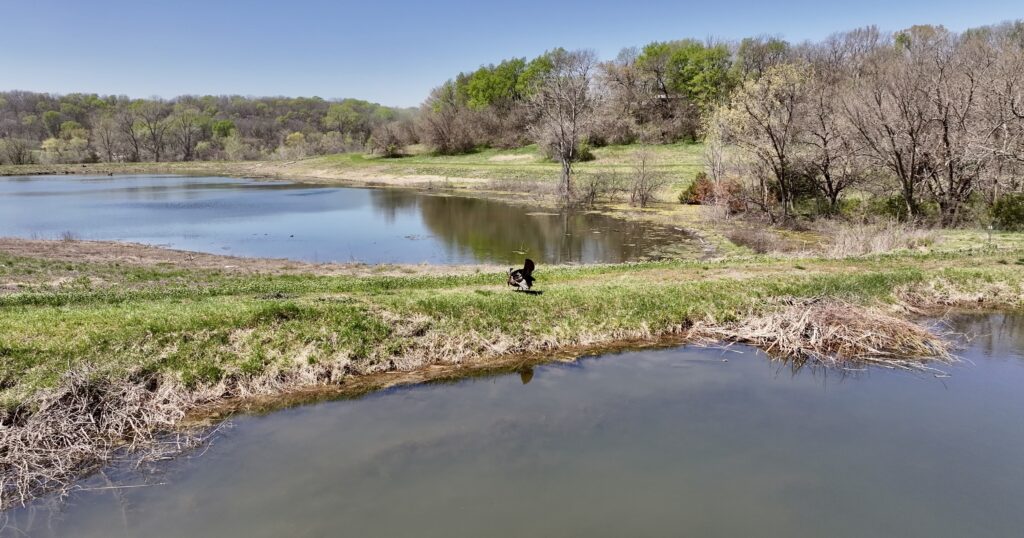
Turkey near tiered pond, sediment pond and large clear lake with wildlife in Kansas. Designed and built by Bulletproof Pond and Lake.jpeg

An Upstream Sediment Pond

A small catch pond above the main pond traps silt before it reaches your water and stretches the years between cleanouts.

Top-down drone view of a custom 3-acre fishing pond under construction in Gardner, Kansas, showing the excavated basin, the peninsula being shaped and a tractor and scraper at work inside silt fence erosion control, built by Bulletproof Pond and Lake

Peninsulas, Islands and Beaches

Reshape the basin with peninsulas, islands, beaches and gentle entries that make the pond easier to fish, swim and enjoy.

And Much More

The cleanout can be just the start.

Boat ramps, docks, walking paths, entertaining areas and landscaping can all be planned into the same project.

How It Works

How a Pond Cleanout Works, Start to Finish

Every cleanout follows the same plan-first path, scaled to the size of your pond and how much is unknown about it.

  1. Free consultation

    Call or send photos. We'll talk through your pond's history, how you use it, what you want it to become and starting costs.

  2. On-site evaluation

    A specialist inspects the pond, with LiDAR mapping, soil borings and lab testing as needed, plus bathymetric and sonar mapping to measure the muck.

  3. Plan and price

    We design the cleanout in Civil 3D, plan where the muck goes and how it will look when finished, and send a written proposal, often with a set amount of muck removal and the option to add more as the work goes.

  4. Regulatory support and prep

    We support your permitting with design, mapping data and guidance, then set up erosion control to protect the land and water downstream.

  5. Drain, draw down or dredge

    We drain the pond, draw it down in phases or dredge with the water in place, with a plan for your fish and habitat worked out ahead of time.

  6. Muck removal and placement

    Our crew removes the muck with equipment matched to the job and places it exactly where the plan calls for it, with GPS-equipped machines working from the design.

  7. Shoreline, grade and seed

    We finish with shoreline protection, final grading, seeding and erosion control matting where it's needed, and the pond begins to refill.

A simplified summary. Every pond is different, and these steps are adjusted to the site, the scope and your goals.

AutoCAD Civil 3D model of a nearly 12-acre lake expansion design with a peninsula and dam, created in-house by Bulletproof Pond & Lake for a project in Melvern, Kansas

Every cleanout is planned in AutoCAD Civil 3D before we dig

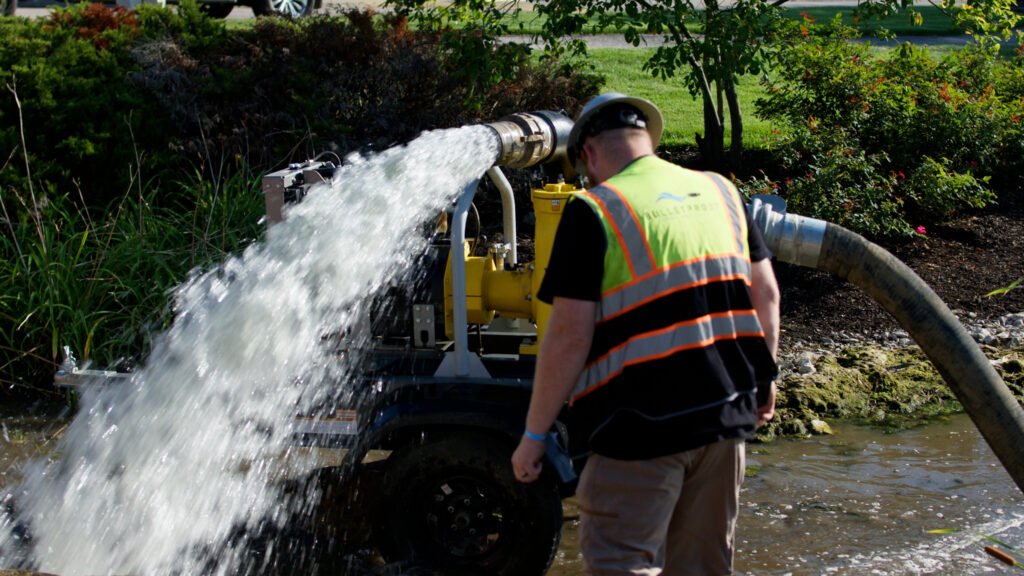
Bulletproof Pond & Lake crew member in a branded safety vest and hard hat running an industrial pump to drain the Cedar Lake Village pond in Olathe, Kansas

Draining the pond with industrial pumps

Underlayment and riprap shoreline edging being installed around the drained Cedar Lake Village pond in Olathe, Kansas during dredging and cleanout

Underlayment and riprap going in along the shoreline

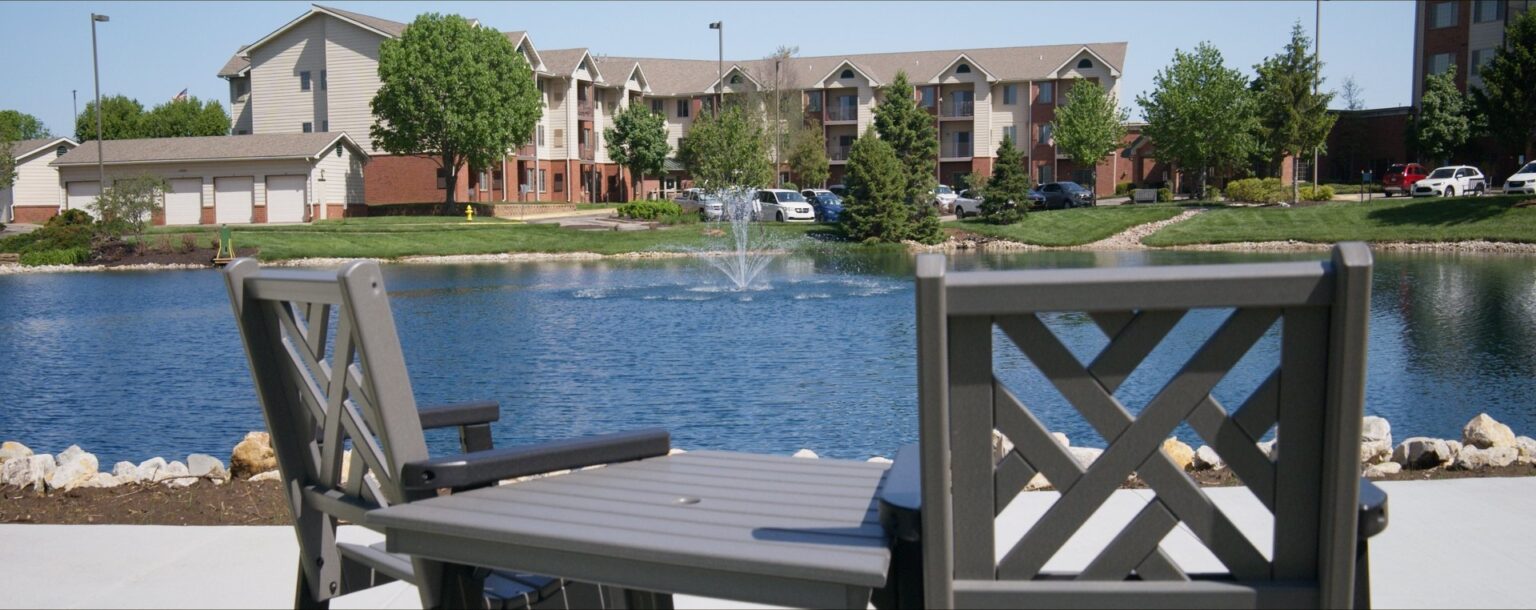
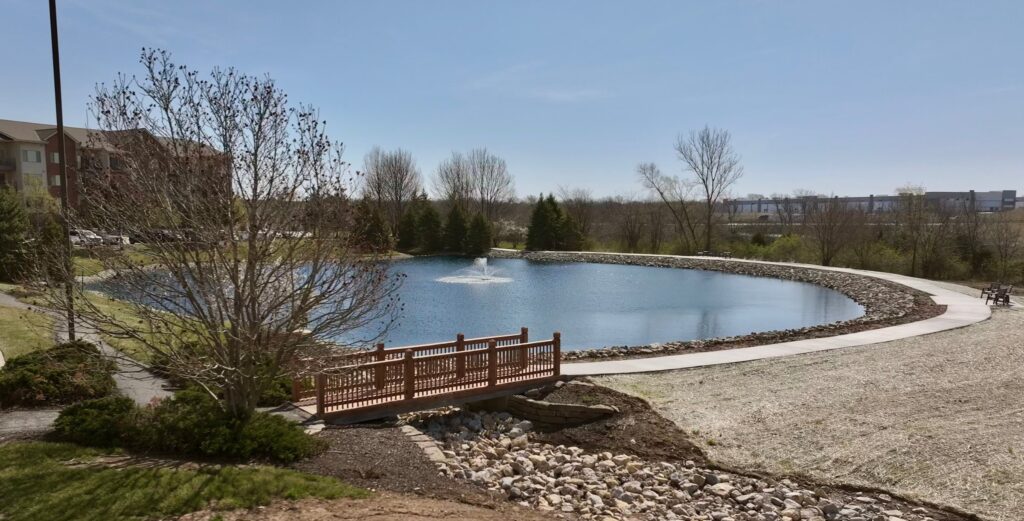
Renovated Cedar Lake Village pond in Olathe, Kansas, with clear blue water, a riprap shoreline and concrete walking path, plus the community's own fountain and wooden footbridge over the overflow

The Cedar Lake Village pond, refilled after its cleanout

Talk to a Cleanout Specialist

Tell us about your pond and what you'd like it to be. We'll walk you through your options, costs and next steps by phone.

Or send us a message →
After the Cleanout

Keeping Your Pond Deeper and Cleaner, Longer

Needing a cleanout doesn't mean a pond was built wrong. Every pond collects sediment, and what happens after the cleanout decides how long the depth lasts. The owners whose ponds look best years later are the ones who stay hands-on.

Slow the silt at its source

Erosion control, grass buffers and an upstream sediment pond keep soil from washing in and filling the basin again.

Protect the shoreline

Riprap and stone edging stop the banks from wearing away and sliding back into the water.

Plan aeration and fish

Aeration helps break down organic muck and supports healthy fish. We plan it, along with stocking and fish feeders, with our fisheries biologists.

Check in every year

Watch the water level, the inlet and the overflow, and call us early if something changes. Small fixes cost far less than another full cleanout.

Aerial drone view of an expanded natural pond in Kansas after work by Bulletproof Pond and Lake
A finished pond settles in with clean banks, healthy water and room for wildlife.
Why a Specialist

Pond Cleanouts Done by Pond and Lake Specialists

Plenty of contractors can dig muck out of a pond. Knowing where the clay starts, what the dam is made of and how the pond will hold water afterward is what separates a cleanout from a new problem.

Focused since 2019

Ponds, lakes and wetlands have been our focus for years, led by in-house foremen and on-site leaders averaging 15+ years in their field.

Diagnostics in-house

Our own drill rig, LiDAR mapping and Civil 3D design mean decisions rest on lab results and real measurements, not guesses.

Equipment matched to the job

Long-reach excavators, off-road trucks, modern dozers and GPS-equipped machines working straight from a written plan, so you know the scope and the finish before we mobilize.

Mapping the muck

Bathymetric and sonar mapping show how much muck is down there and where the clay begins, so quantities and digging limits come from measurements.

Strategic, phased options

Full, partial, sectional and phased cleanouts plus hydraulic dredging, so you don't have to drain the whole pond or lose all of its habitat.

Regulatory support

Design, data and guidance for your permits, from a team familiar with working alongside agencies, states and cities.

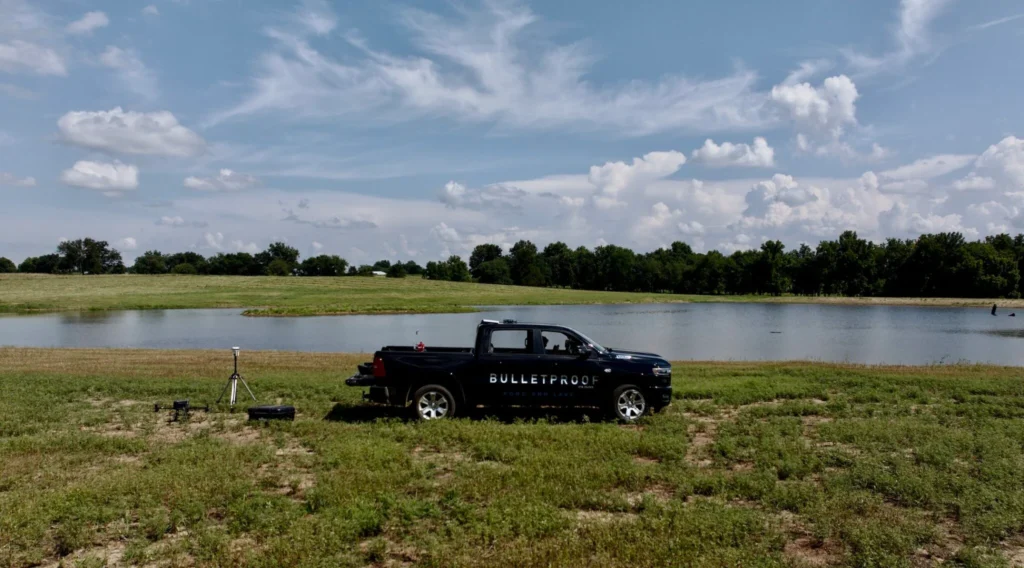
Bulletproof Pond and Lake truck and LiDAR mapping equipment on site beside a pond for planning and 3D design

LiDAR mapping and planning on site

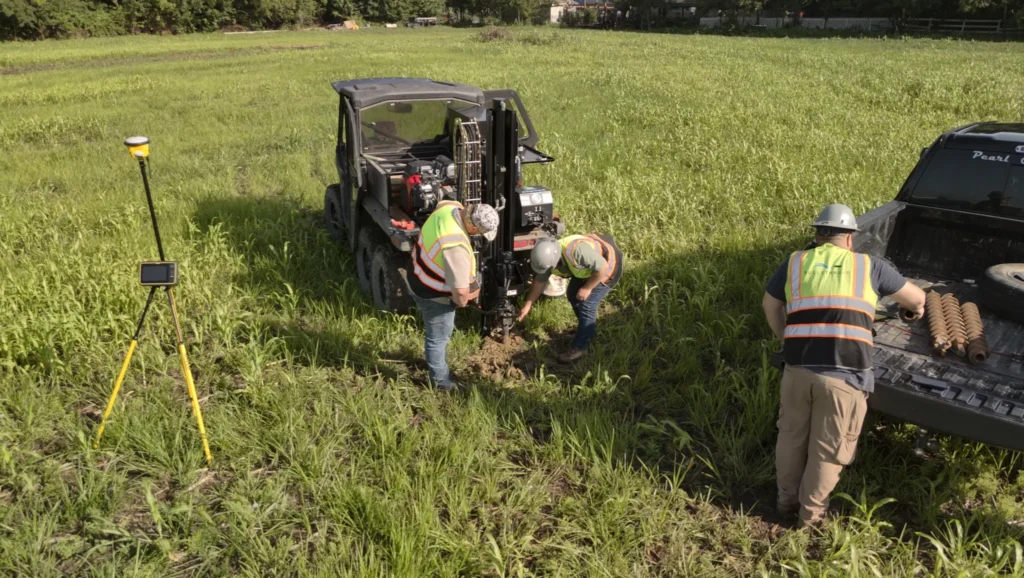
Bulletproof Pond and Lake crew pulling layered soil boring core samples with a drill rig for lab testing before pond and lake design

Our crew pulling layered soil cores with our own drill rig

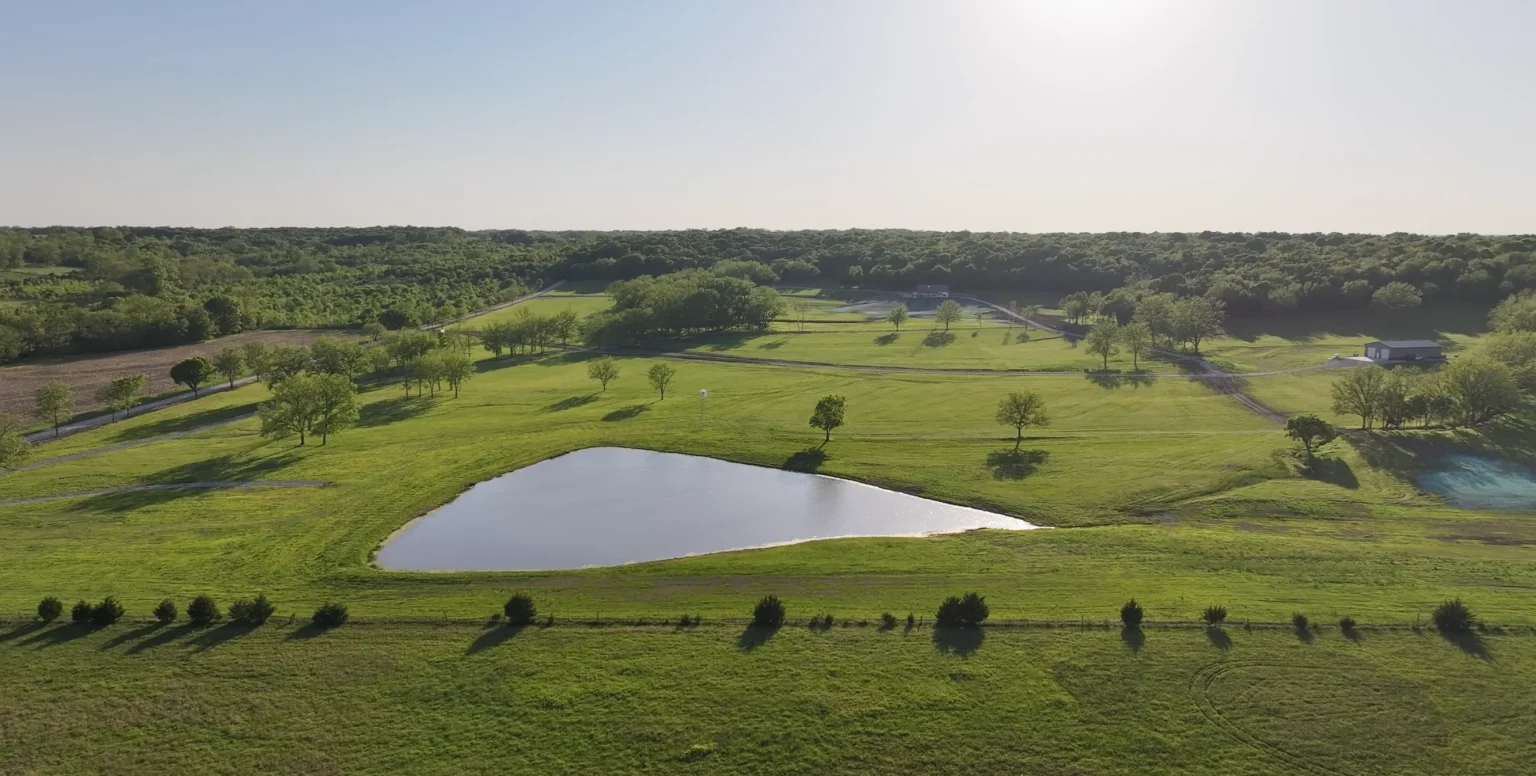
Aerial drone view of a rebuilt farm pond on Kansas acreage after renovation by Bulletproof Pond and Lake

A rebuilt farm pond in Kansas after our work

Pond Cleaning FAQ

Pond Cleaning and Dredging Questions

Straight answers to what owners ask us most about pond cleanouts, dredging and muck removal.

Talk it through with a specialist. A quick call is the fastest way to get answers for your pond. We're also happy to email if you'd prefer.

How much does it cost to clean out or dredge a pond?

Every pond is different, so we don't publish one-size-fits-all prices. Cost depends on the size of the pond, how much muck is in it, the method (edge, phased, full or hydraulic dredging), where the muck goes, site access and any upgrades you add. Hauling muck away is usually the most expensive part, which is why we plan strategic placement on site whenever it's allowed. A quick call gets you starting costs for your situation, and your exact price comes after an on-site evaluation.

Does my pond have to be drained to clean it out?

Not always. Edge cleanouts are often done from the bank, hydraulic dredging works with the water in place, and phased or sectional cleanouts can keep part of the pond full along with its fish and habitat. A full cleanout down to the original basin usually means draining, which also opens the door to deepening, reshaping and repairs. We'll recommend the approach that fits your goals and your fish.

What happens to the fish during a pond cleanout?

It depends on the method. Hydraulic dredging and partial or phased cleanouts can leave fish in place. On a full cleanout, fish can be relocated or the pond restocked afterward, and we plan that with fisheries biologists when it matters to you.

Where does the muck go?

Wherever the plan says, decided before work starts. Rather than simply dumping it on the bank or hauling it away, we place it strategically: trenched and buried out of sight, shaped into berms and landscape, used to build up low ground or phased in drying areas, with haul-off when it's the smartest call. Keeping muck on site is usually far more economical. On our Olathe project, a trench on the back side of the dam saved over $100,000 compared with hauling the muck off.

How do you measure how much muck is in a pond?

With bathymetric and sonar mapping of the pond bottom, combined with LiDAR mapping of the banks and soil borings. Together they show how deep the muck goes, where the clay begins and how much needs to come out, which keeps pricing and digging limits accurate.

How long does a pond cleanout take?

Edge cleanouts often take a few days. Full cleanouts usually take several weeks of work, about 6 weeks in Olathe and 8 in Grain Valley, plus time for spread muck to dry before final grading and seeding.

How often does a pond need to be dredged?

It depends on the watershed, meaning how much soil, leaves and runoff reach the water. Some ponds go decades between cleanouts and others fill in within years. Erosion control, riprap shorelines, an upstream sediment pond and hands-on management all stretch the time between cleanouts.

Can cleaning out a pond cause it to leak?

A cleanout done right shouldn't, but it can reveal a leak the muck was hiding. Muck can cover and partially seal weak spots, and once the depth is restored those spots can show up. That's why we recommend soil borings before a cleanout, and bathymetric or sonar mapping so no one digs past the muck into the clay that seals the basin.

Is pond dredging the same as a pond cleanout?

The words are often used interchangeably. Mechanical dredging, or a full cleanout, usually means draining the pond and digging the muck out with heavy equipment. Hydraulic dredging pumps the muck out while the water stays in, and long-reach excavators can dredge the edges from the bank. We do all three and will recommend whichever fits your pond.

Do I need a permit to dredge or clean out a pond?

It depends on the location and the scope. Some projects need a local land disturbance permit, and work that affects streams or wetlands can fall under the U.S. Army Corps of Engineers. You apply for your own permits, and our regulatory support covers the design, mapping data and guidance agencies typically ask for. Our Olathe client handled a Johnson County land disturbance permit with our team on standby.

Will aeration, bacteria or muck pellets remove the muck instead?

Aeration and beneficial bacteria can help break down light organic muck over time, and we recommend aeration for nearly every pond. They don't remove the silt, clay and sand that wash in from the watershed, which is much of what fills a pond. When the depth is truly gone, that material has to come out.

Do you clean out HOA, community and commercial ponds?

Yes. HOA lakes, senior living and community ponds, golf course ponds and commercial properties are a big part of our cleanout work. We plan around residents, access and safety, and we can also bid from plans you already have.

Do you clean out ponds outside the Kansas City area?

Yes. We're based in Basehor, Kansas, and clean out and dredge ponds and lakes across Kansas and Missouri, with projects in Arkansas, Oklahoma and beyond across the continental United States.

Do you clean backyard water gardens or koi ponds?

No. Our focus is larger ponds, lakes and wetlands, so we don't clean backyard water gardens or koi ponds ourselves. Give us a call and we'll point you toward a specialist who does.

Ready to Get Your Pond's Depth Back?

Bridging the Gap Between the Land and Your Imagination