Key Points
- Pond overflow systems prevent flooding by directing excess water away, protecting pond structures and nearby land from erosion and damage.
- Key components include standpipes, siphon systems, and spillways, each regulating water levels and ensuring safe water flow during heavy rainfall.
- Regular maintenance ensures functionality, including inspecting pipes for blockages, reinforcing spillways, and managing vegetation to prevent erosion.
Overflowing with Knowledge: Mastering Pond Water Management
Ever wondered how to keep your pond from flooding during those unexpected Kansas downpours? Curious about the systems that help maintain your pond’s water levels effortlessly?
In this post, we’ll explore the essentials of pond overflow systems, their components, and how they work to prevent flooding and manage water levels.
By the end, you’ll have a clear understanding of how to protect your pond installation and the surrounding areas effectively.
If you’re looking to implement or upgrade your pond’s overflow system, don’t hesitate to reach out to Bulletproof Pond and Lake by giving us a call or filling out our contact form.
We’re here to help you keep your pond in top shape!
Understanding Pond Overflow Systems
Pond overflow systems are essential for managing excess water, especially during heavy rains.
They help maintain the desired water level and protect the pond’s structure and the surrounding area.
These systems work by directing surplus water away from the pond, preventing overflow that could damage the dam or cause erosion.
By efficiently handling excess water, overflow systems ensure the pond remains at a safe and consistent level, safeguarding both the aquatic environment and nearby land.
In regions like Kansas and its neighboring states, where weather patterns can be unpredictable, having a reliable pond overflow system is crucial.
It not only preserves the pond’s integrity but also prevents potential flooding in the surrounding areas.
Components of Pond Overflow Systems
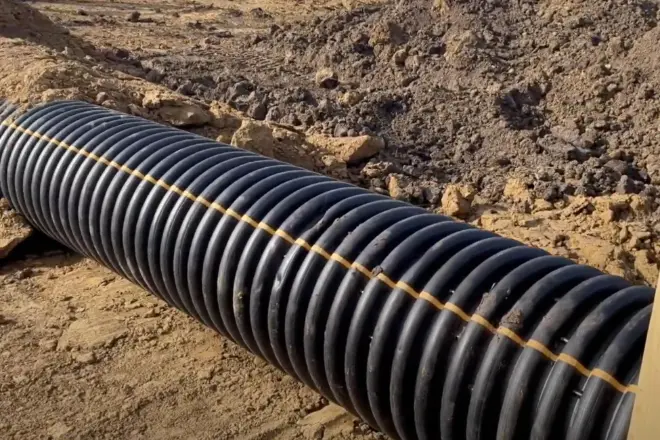
A pond overflow system comprises several key elements that work together to manage excess water and maintain the desired water level.
Standpipes
Standpipes are vertical pipes installed at a specific height within the pond.
When the water level rises to this height, excess water enters the standpipe and is safely conveyed away from the pond.
Function:
- Regulates the pond water level by allowing surplus water to exit through the standpipe.
Maintenance:
- Regularly inspect for blockages caused by debris to ensure unobstructed flow.
- Check for any signs of wear or damage to the pipe and replace components as needed.
Siphon Systems
Siphon systems utilize a siphon tube to draw down water levels, especially before anticipated heavy rainfall.
This proactive approach helps prevent overflow and potential damage to the pond’s structure.
Purpose:
- Lowers the water level by 6–12 inches to create capacity for incoming rainwater.
Monitoring:
- Ensure the siphon tube remains free from obstructions that could impede its function.
- Regularly check the system for air leaks, as trapped air can disrupt the siphoning process.
Spillways
Spillways are channels designed to direct excess water away from the pond, preventing erosion and structural damage.
They can be constructed using various materials, including concrete, rocks, or vegetation.
Role:
- Provides a controlled path for surplus water to flow out of the pond during heavy rains.
Design Considerations:
- Approach Channel: Ensure the channel leading to the spillway is clear of debris to allow unobstructed water flow.
- Width and Depth: Design the spillway with adequate dimensions to handle peak runoff volumes.
- Discharge Area: Reinforce the area where water exits the spillway to prevent erosion, using materials like riprap or native stones.
In Kansas and surrounding states, having a well-maintained pond overflow system is essential.
Regular inspections and upkeep of these components ensure the pond remains in optimal condition, safeguarding both the aquatic environment and adjacent land.
Types of Spillways
Spillways are crucial structures in pond management, designed to control water flow and prevent overflow during heavy rainfall.
Selecting the appropriate type of spillway ensures efficient water regulation and protects the pond’s integrity.
Pipe Spillways
Pipe spillways utilize pipes to channel excess water away from the pond, maintaining the desired water level.
Advantages:
- Efficiently directs surplus water away from the pond.
- Can be constructed using durable materials like plastic pipes, which are resistant to corrosion.
Challenges:
- Prone to clogging from debris, necessitating regular maintenance to ensure unobstructed flow.
- Requires proper sizing to handle expected water volumes, especially during significant rain events.
Earthen Spillways
Earthen spillways are natural channels, often lined with vegetation or rocks, that allow excess water to flow away from the pond.
Benefits:
- Blend seamlessly with the natural landscape, providing an aesthetically pleasing appearance.
- Effective in settings where a more natural water flow is desired.
Design Elements:
- Approach Channel: A clear path leading to the spillway, free from obstructions, to facilitate smooth water entry.
- Width and Depth: Proper dimensions are essential to handle peak runoff and prevent overtopping.
- Discharge Area: The exit point should be reinforced with materials like riprap or native stones to prevent erosion.
Proper design and regular maintenance ensure that the pond can handle excess water during heavy rains, protecting both the pond and the surrounding area.
Designing Effective Overflow Structures
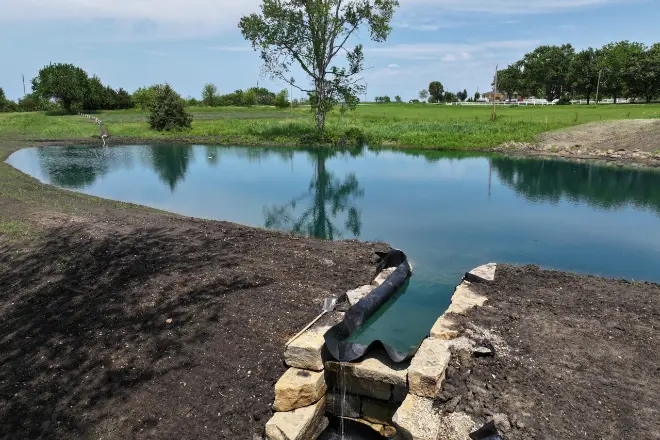
Properly designed overflow structures are essential for maintaining optimal water levels in ponds, especially in regions like Kansas, where heavy rainfall can occur.
These structures ensure that excess water is safely diverted, protecting both the pond and surrounding areas.
A qualified pond contractor can help you design an effective overflow system for your pond.
Follow the link to discover how to choose the right pond construction company.
Assessing Water Inflow and Outflow
Understanding the balance between water entering and leaving the pond is crucial for effective overflow design.
Evaluation:
- Watershed Analysis: Examine the size and characteristics of the area draining into the pond to estimate potential water inflow.
- Rainfall Data: Utilize local precipitation records to anticipate typical and extreme rain events.
Calculation:
- Overflow Capacity: Determine the appropriate size for overflow structures to handle expected water volumes, ensuring they can manage peak inflows during heavy rains.
Emergency Spillways
Incorporating emergency spillways provides an additional safeguard against flooding during extreme weather conditions.
Planning:
- Location: Position emergency spillways at the lowest point of the pond’s perimeter, away from the dam, to allow excess water to exit safely.
Design:
- Dimensions: Ensure the spillway is wide and deep enough to accommodate significant water flow without causing erosion.
- Reinforcement: Use materials like riprap or vegetation to stabilize the spillway and prevent erosion during high-flow situations.
By carefully assessing water inflow and outflow and incorporating well-designed emergency spillways, pond owners in Kansas and surrounding states can effectively manage water levels and prevent potential flooding.
Pond Overflow System Maintenance Practices
Regular upkeep of pond overflow systems is essential to ensure they function effectively, especially in regions like Kansas where weather conditions can be unpredictable.
Regular Inspections:
- Overflow Pipe: Examine the overflow pipe periodically to confirm it’s free from obstructions and operating correctly.
- Spillways: Inspect spillways for any signs of wear or damage, ensuring they can handle excess water during heavy rainfall.
Debris Management:
- Clearing Blockages: Remove leaves, branches, and other debris from overflow drains and spillways to prevent clogs that could impede water flow.
- Trash Racks: Consider installing trash racks to catch debris before it enters the overflow system, reducing the risk of blockages.
Erosion Control:
- Bank Stabilization: Monitor the pond edges for signs of erosion and reinforce them as needed to maintain structural integrity.
- Vegetation Management: Maintain appropriate vegetation around the pond to help stabilize the soil and prevent soil erosion.
By adhering to these maintenance practices, pond owners can ensure their overflow systems operate efficiently, safeguarding both the pond and the surrounding environment.
Case Study Example: Installing a Pond Overflow System in Perry, KS
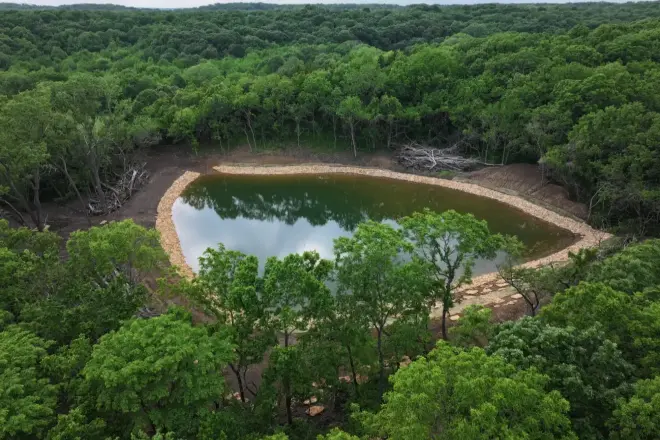
Implementing effective pond overflow systems is crucial for maintaining water levels and preventing flooding.
A notable example is the transformation of an abandoned farm pond in Perry, Kansas, into a functional recreational area.
Project Overview:
- Initial Condition: The pond suffered from overgrowth, silt accumulation, and structural issues, leading to poor water retention and usability.
- Restoration Steps:
- Vegetation Clearance: Removed invasive plants and trees to improve accessibility and reduce water loss.
- Silt Excavation: Dredged accumulated sediment to restore depth and enhance water quality.
- Dam Reconstruction: Built a new dam with a compacted clay core to ensure stability and proper water retention. Follow the link to learn how to build a dam for a pond.
- Spillway Installation: Constructed appropriately sized spillways to manage overflow during heavy rainfall, preventing erosion and maintaining structural integrity.
Outcome:
The comprehensive restoration, including the installation of effective overflow systems, transformed the neglected pond into a vibrant recreational space.
This project highlights the importance of proper overflow management in pond restoration efforts.
By studying such examples, pond owners can gain insights into best practices for designing and maintaining overflow systems to ensure long-term functionality and environmental harmony.
Bulletproof Pond and Lake Can Transform Your Water Features!
By understanding the importance of pond overflow systems, their components, and proper maintenance, you’re now equipped to manage water levels effectively and prevent flooding.
Implementing these practices ensures the longevity and health of your pond and its surrounding environment.
For comprehensive pond installation and restoration services, trust the pond contractors at Bulletproof Pond and Lake to handle your acreage pond needs with expertise and precision.
Our team is dedicated to creating and maintaining beautiful, functional water features tailored to your landscape.