Dig Into Professional Pond Construction: Choosing the Right Partner Is Key
Have you talked to pond builders who all sound confident, yet give totally different answers about cost, depth, and timeline?
Ever notice how some companies promise a “beautiful pond” but struggle to explain how it will actually hold water long term?
In this guide, you’ll learn how to choose the right pond construction company, what separates real acreage pond builders from general dirt contractors, and which red flags can save you from expensive mistakes.
By the end, you’ll know how to protect your land, your budget, and your peace of mind before the first machine ever shows up.
If you want straight answers from a team that builds ponds to last, call or fill out the contact form to talk with Bulletproof Pond and Lake.
We’re happy to walk through your property, your goals, and what it really takes to install a pond the right way.
Now let’s explore what to look for when choosing a pond construction company that can truly bring your dream to life.
1. Make Sure the Pond Construction Company Is Legal and Insured
Before you talk design, cost, or timelines, make sure the company you’re considering is operating legally and professionally.
This protects you from liability, delays, and costly problems down the road.
While the property owner is ultimately responsible for following local, state, and federal rules, a professional pond excavation company should explain what applies to your project and help you understand the process.
Here’s what to confirm upfront:
- Permits and regulations: Pond projects may require local or county approval depending on size, dam height, and land disturbance.
- U.S. Army Corps of Engineers oversight: Some ponds fall under federal jurisdiction, especially when dams or waterways are involved.
- Stormwater requirements: If more than one acre of land is disturbed, a Stormwater Pollution Prevention Plan (SWPPP) is typically required.
- Insurance coverage: The contractor should carry general liability and workers’ compensation insurance to protect you if something goes wrong.
Why This Matters
Contractors who ignore rules often cut corners elsewhere.
That can lead to unstable dams, erosion issues, leaks, or legal headaches that landowners end up paying for later.
2. Understand the Real Cost of Acreage Pond Installation
Acreage ponds are major earthmoving projects.
Knowing realistic costs upfront helps you avoid sticker shock and low bids that don’t hold up.
As a general range:
- Quarter-acre ponds often start around $30,000
- Large ponds over five acres can exceed $125,000
Final cost depends on several factors:
- Pond size and depth
- Soil conditions
- Dam and spillway design
- Access to the site
- Equipment required
- Erosion control and finishing work
Choose Value, Not the Lowest Bid
The cheapest bid is rarely the best one.
Quality materials, skilled operators, and proper compaction matter far more than saving a few thousand dollars upfront.
Big ponds require big, well-maintained equipment, such as scraper systems.
If a contractor plans to build your pond using minimal or outdated machinery, that’s a serious red flag.
Smart Payment Practices
To protect yourself financially:
- Pay in stages tied to completed work
- Avoid paying more than 50% upfront
- Make sure payment terms are written into the contract
This keeps everyone accountable and reduces risk.
3. Choose a Pond Builder Who Plans, Communicates, and Measures
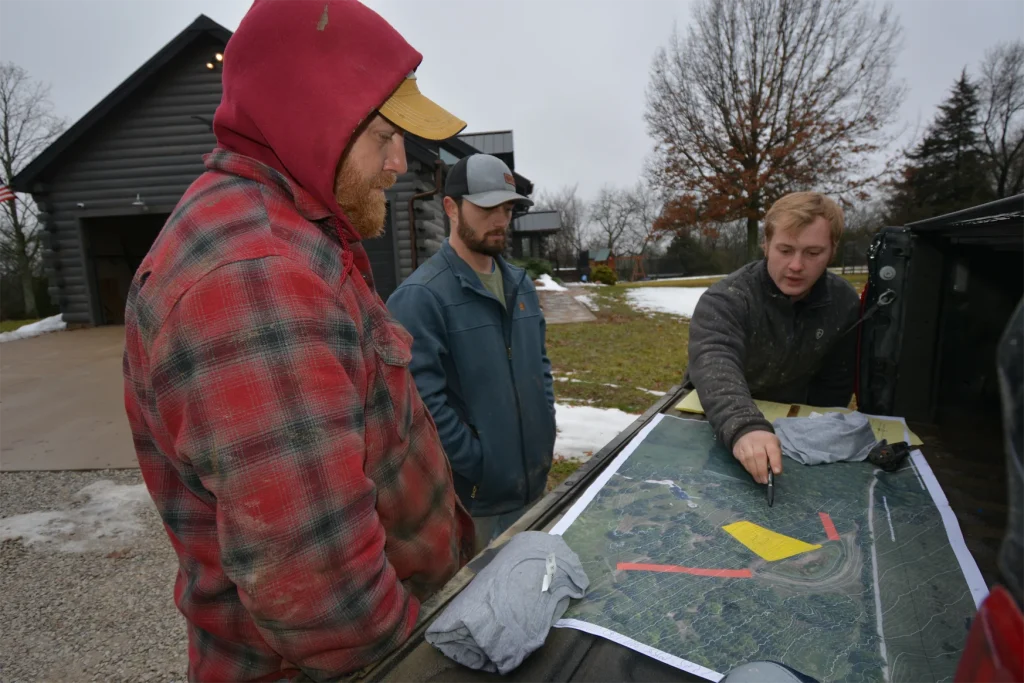
A successful pond doesn’t happen by guessing. Good planning and clear communication are what separate professional pond builders from dirt movers.
Before work begins, you should know:
- The planned size and depth of the pond
- Where the dam, spillway, and shoreline will be
- What features are included and what are not
- Who your main point of contact is
Clear Plans Prevent Costly Surprises
You should never be left wondering how deep your pond will be or where key features are placed.
Detailed plans help prevent misunderstandings and ensure the final pond matches your expectations.
This can include sketches, examples from other ponds, or specific custom pond features such as limestone shoreline rock for aesthetics and stability, spawning beds for fish, or a peninsula or island installation for increased fishing access.
Professional pond builders often use tools like GPS, LiDAR, and design software to dial in grades, depths, and water flow before excavation starts.
This leads to better accuracy and fewer surprises once dirt starts moving.
Ongoing Communication Matters
You should expect:
- Regular progress updates
- Clear explanations if changes are needed
- Honest conversations about weather delays or site challenges
Good communication keeps the project moving and prevents frustration on both sides.
4. Check Reviews, Past Work, and Reputation
A contractor’s past work says more than any sales pitch.
Before hiring a pond construction company:
- Review their website and project portfolio photos
- Look for completed ponds similar in size to yours
- Read reviews that mention communication, reliability, and long-term results
Pay attention to reviews that explain what the experience was like, not just star ratings.
Consistent feedback about missed deadlines, surprise costs, or poor communication should raise concerns.
On rural and acreage properties, reputation still matters.
Contractors who do solid work tend to earn repeat business and referrals.
This careful research not only ensures that you will enjoy the benefits of building a large pond or lake but also that the process will be smooth and stress-free.
5. Set Clear Expectations for Timeline and Scheduling
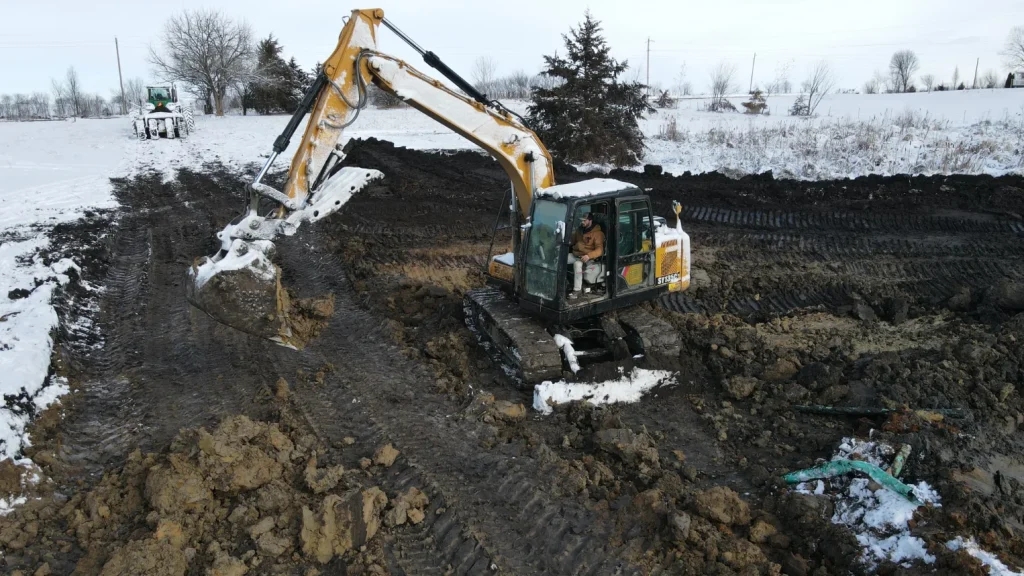
Before equipment arrives, you should agree on a realistic timeline.
Make sure you understand:
- When construction is expected to start
- How long the project should take
- How weather or site conditions may affect progress
Large pond projects are often influenced by rain, soil moisture, and seasonal conditions.
A professional contractor will explain these factors upfront rather than making unrealistic promises.
Regular milestone check-ins help keep the project on track and allow adjustments if needed.
6. Get Everything in Writing with a Detailed Contract
A clear contract protects both you and the contractor.
It sets expectations and reduces the chance of disputes later.
At a minimum, your contract should include:
- Scope of work (what is included and excluded)
- Pond size, depth, and major features
- Estimated timeline
- Total cost and payment schedule
- Responsibility for permits and compliance
- How changes or delays are handled
If a contractor avoids written details or keeps things vague, that’s a warning sign.
Quick Red Flags to Watch For
If you notice any of these, slow down or walk away:
- No proof of insurance
- Vague answers about depth, size, or water retention
- Large upfront payment requests
- No written scope or timeline
- No examples of similar pond projects
- No plan for erosion control or dam stability
Why Bulletproof Pond and Lake Is the Difference Between a Pond That Works and One That Doesn’t
You now know how to spot professional pond builders, avoid shortcuts, set realistic budgets and timelines, and protect your investment before excavation begins.
That knowledge puts you in control of the process instead of hoping for the best.
Bulletproof Pond and Lake brings all of that together with experienced pond builders, purpose-built equipment, and proven systems designed specifically for acreage pond installation.
If you want a pond that holds water, performs through the seasons, and adds lasting value to your property, call or fill out the contact form to start the conversation today.