Key Points
- Swales are shallow, vegetated channels that manage runoff by slowing rainwater, filtering pollutants, and reducing erosion, making them ideal for pond protection in Kansas and surrounding areas.
- Three main types—dry, wet, and bioswales—support different soil and drainage conditions, helping recharge groundwater and maintain pond levels during dry spells.
- Proper swale design includes assessing slope, soil, and runoff volume; incorporating vegetation and berms; and ensuring flow direction supports natural drainage into ponds.
Swale Tales: Turning Rain into a Resource
Ever watched a sudden downpour transform your yard into a muddy mess?
Or noticed your pond’s water level drop dramatically during a dry spell?
In this post, we’ll explore how swales—shallow, vegetated channels—can be a game-changer for managing water runoff around your acreage pond installation.
You’ll learn what swales are, how they function, and why they’re particularly beneficial in the variable climate of Kansas and its neighboring states.
By understanding and implementing swales, you’ll not only protect your pond from erosion and pollution but also enhance its sustainability and resilience.
Ready to make the most of every raindrop?
Reach out to Bulletproof Pond and Lake today—give us a call or fill out our contact form.
Let’s get started!
Understanding Swales: Nature’s Solution for Managing Water Runoff
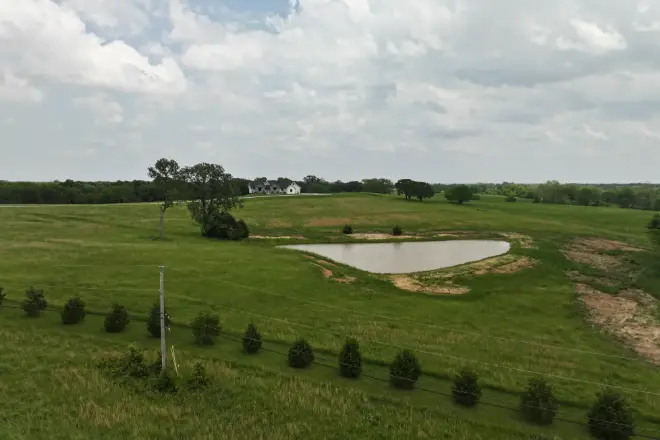
Ever notice how fast a sudden storm can flood your property or carry away topsoil?
In Kansas and surrounding states, managing runoff is key to keeping ponds clean and land intact. That’s where swales come in.
What Is a Swale?
A swale is a shallow, gently sloped channel lined with vegetation.
Its purpose is to catch and slow down rainwater, allowing it to soak into the soil.
This helps recharge the water table, filter out pollutants, and prevent erosion.
Swales are often confused with a simple ditch, but they’re much more purposeful—designed to work with the land instead of against it.
Curious about other elements of a well-constructed pond?
Follow the link to learn about the critical role a core trench plays in pond construction.
Types of Swales
- Dry Swales
These are designed with permeable soil and may include an underground pipe to help with quick drainage after heavy rain. They’re great for areas with good infiltration capacity and are often used when a high water table isn’t a concern. - Wet Swales
These have a shallow, standing pool of water or remain marshy for long periods. They’re especially useful in areas with poor drainage or consistently saturated soil and are often planted with moisture-loving plants to clean the water naturally. - Bioswales
Bioswales are the most advanced option. They combine vegetation, mulch, and engineered soils to clean runoff. You’ll often find them in areas where filtering organic matter and protecting downstream ponds is a priority. They can even double as a functional rain garden.
Swales aren’t one-size-fits-all.
Choosing the right type for your property helps you handle more water safely and naturally, protect your pond, and improve overall drainage without complicated infrastructure.
Benefits of Swales in Pond Construction
Swales aren’t just a landscaping feature—they’re an essential part of pond construction across Kansas and surrounding areas.
When built correctly, a swale acts like a sponge and filter for your yard, absorbing rainwater, guiding runoff, and reducing damage to your land.
Why Swales Work So Well for Acreage Ponds
- Erosion Control
Swales slow down water flow, especially during heavy rains, so the soil around your pond stays in place. This helps preserve your pond’s banks and prevents sediment from building up in the water. Follow the link to learn more about how to prevent soil erosion in pond construction. - Cleaner Water
As rainwater moves through the vegetation, mulch, and soil, it filters out harmful pollutants before reaching your pond. This natural filtration reduces the need for chemical treatments and supports a healthier ecosystem. - Recharging the Water Table
Instead of letting runoff escape, swales encourage infiltration, letting more water soak into the ground. This helps maintain a steady pond level during dry spells—especially useful in areas with a high water table. - Flood Protection
Swales act as a buffer during storms, capturing and storing excess water before slowly releasing it. That means fewer issues with standing water or overflow in your yard or near the pond.
Designing Swales for Effective Runoff Management
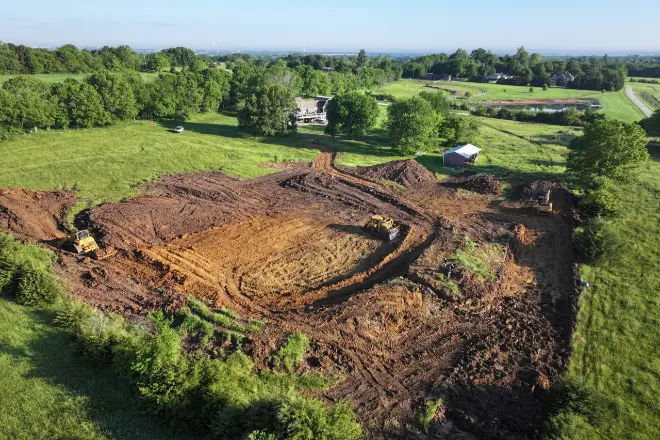
Designing a swale isn’t just about digging a ditch and hoping for the best.
It’s about working with the landscape—and following the contour of your property to make water work for you, not against you.
Site Assessment Tips for Kansas Properties
- Slope Matters
Look for slope in your land—too flat and water won’t move; too steep and erosion becomes a problem. Swales should follow the natural contour of the terrain for best results. - Check the Soil
Different soil types absorb water at different rates. Sandy soil drains fast but may need help holding moisture. Clay soil slows things down, but can back up if not planned right. The right design depends on your specific location. - Runoff Volume
Think about how much rainwater your roof, gutters, and yard collect. Sizing the swale to match that flow ensures it won’t overflow or underperform.
Smart Construction Guidelines
- Start Digging with a Plan
Use string lines or a laser level to follow the contour of your land before you start digging. This helps guide the flow gently from one end to the other. - Shape and Size
Swales should have wide, shallow profiles with gently sloped sides. This makes them easy to maintain and more effective at capturing runoff. - Vegetation and Berms
Add grass, plants, and berms along the edges. This slows the flow, supports infiltration, and blends the swale naturally into your landscape. The downhill side of the swale should be slightly built up to prevent overflow. - Use of Mulch and Rocks
Adding mulch or even small rocks can help slow water even more and reduce the risk of clogging or erosion in high-flow spots.
Proper design helps you avoid a common mistake: building a swale that either doesn’t drain or moves water too fast.
When done right, a swale adds both beauty and utility to your property.
Integrating Swales into Pond Systems
Once you’ve designed a swale that fits your landscape, the next step is to make sure it works hand-in-hand with your pond.
A well-placed swale doesn’t just move water—it supports pond health, limits erosion, and reduces maintenance.
How to Place Swales for Maximum Benefit
- Follow the Natural Flow
Place swales where runoff already wants to go. You’ll want to build along the downhill side of slopes to gently guide water toward your pond without causing washouts. - Choose the Right Location
Look for areas near the pond that collect rainwater or where sediment often builds up. These are ideal sites to capture and slow the flow before it causes problems. - Blend with the Landscape
Swales should feel like a natural part of your yard or garden. Surround them with grass, plants, or even small trees to add beauty and boost functionality. Follow the link to explore more landscaping ideas for large acreage ponds.
Connecting Swales to Your Pond
- Directing the Flow
A swale should gently lead into a pond inlet or a shallow collection area. Use berms to guide water along the path, especially near tight corners or where slope shifts. - Forebays or Filter Zones
Where your swale meets the pond, install a small sediment forebay lined with grass or rocks. This area catches debris and sediment before it enters the pond, keeping the water clearer and reducing maintenance. - Avoiding Overflow
In high-flow conditions, use overflow routes or backup culverts to move excess water safely around or past the pond. This prevents erosion near the shoreline and protects the surrounding landscape.
Maintenance of Swales
Even the best-designed swale needs a little care to keep doing its job.
The good news? With minimal effort, you can keep it looking great and functioning efficiently for years.
Routine Upkeep for Long-Term Effectiveness
- Inspect After Heavy Rain
After storms, check for standing water, erosion, or damaged plants. These signs may mean your swale needs a quick fix. - Clear Out Debris
Remove leaves, branches, and other debris that could block the flow or cause water to back up. If you dig out a lot of sediment, it may be time to reseed or reshape the swale. - Tend to the Vegetation
Mow grass occasionally and trim or replant native plants if areas become bare. Healthy roots prevent erosion and improve infiltration. - Reinforce Berms and Edges
Watch for wear along berms, especially on the downhill edge. Add soil or re-dig sections if water starts cutting new channels.
Maintaining a swale isn’t complicated—it just takes a little knowledge and seasonal attention.
With consistent care, your swale will keep supporting your pond and landscape for the long haul.
Ready to Make the Most of Every Drop? Bulletproof Pond and Lake Can Help
Swales are one of the smartest ways to manage runoff, protect your pond, and support a healthy, low-maintenance landscape, especially in the unpredictable weather of Kansas and the surrounding region.
With the right design, placement, and care, they work quietly in the background to slow water, filter out pollutants, and boost your pond’s long-term performance.
If you’re planning a new pond—or upgrading your current setup—the pond contractors at Bulletproof Pond and Lake have the tools, experience, and know-how to design acreage pond systems that work with the land.