Key Points
- Maximize pond and lake water quality by testing water regularly for pH, nutrients, and oxygen, especially after rain or algae signs.
- Reduce nutrient runoff by planting shoreline buffer zones and limiting fertilizer and livestock near water.
- Manage sediment buildup every 15–25 years with muck removal and protect shorelines using native plants and erosion control mats.
Clear Water Ahead: Smart Steps for Cleaner Ponds and Lakes
Ever looked at your pond and wondered why it’s murky even though you’re doing “all the right things”?
Or maybe you’ve noticed more weeds than water lately and can’t figure out where it went wrong?
In this blog, you’ll discover the most effective strategies for keeping your acreagepond or lake clean, balanced, and thriving all year long.
From water testing and nutrient control to shoreline care and sediment removal, we’ll break down exactly what works—and why.
Stick with us, and you’ll walk away with actionable tips that help your water stay clearer, healthier, and lower-maintenance for the long haul.
Ready to get started?
Reach out to Bulletproof Pond and Lake with a quick call or by filling out the contact form—we’re always here to help you make your water feature work for you.
What Are the Most Important Steps to Maximize Pond and Lake Water Quality?
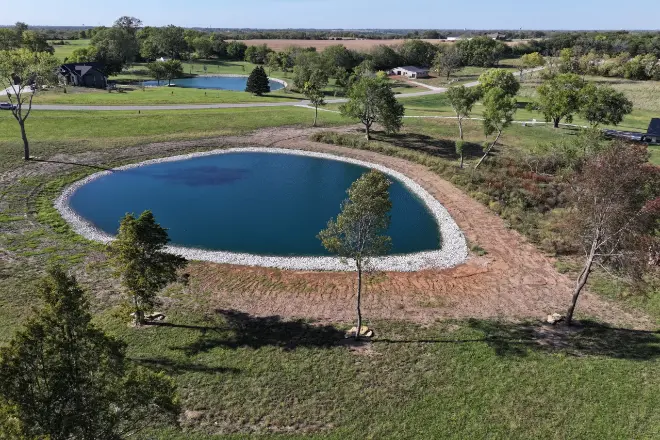
Pond and lake management starts with understanding how to keep the ecosystem in balance.
The clearer your water, the healthier your aquatic life and overall environment.
Whether you’re a new pond owner or managing a larger lake, staying ahead of common issues is key.
Here are the most effective steps pond owners and lake owners can take to keep water quality high:
✅ Test Regularly and Respond Quickly
Routine water quality testing is your first line of defense. It helps identify imbalances before they become serious problems.
- Check pH, dissolved oxygen, and nutrient levels often—especially during spring and summer.
- Monitor after heavy rain, runoff, or signs of algae or murkiness.
- Adjust your management strategy based on what your results show.
✅ Control Nutrient Runoff
Nutrient overload is one of the most common causes of algae blooms and poor clarity in lakes and ponds.
- Create buffer zones with native grasses and aquatic plants to filter runoff.
- Avoid using fertilizers or livestock grazing near the shoreline.
- Use aquatic vegetation management products if needed, but always follow local regulations.
✅ Remove Organic Buildup
Over time, decomposing leaves, fish waste, and runoff can build up as muck at the bottom of your pond or lake, leading to cloudy water and foul smells.
- Schedule targeted muck-outs every 15–25 years for routine pond management.
- Plan full sediment removal every 50–70 years for larger lakes.
- Consider using tools like hydro-rakes for small, shallow areas.
✅ Protect Your Shoreline
Erosion contributes to sediment buildup and weakens water clarity and quality.
- Stabilize banks with native plants, riprap, or erosion control mats.
- Maintain gentle slopes to reduce water-speed runoff.
- Keep livestock and machinery away from vulnerable shorelines.
✅ Maintain Year-Round
Lake and pond management isn’t seasonal—it’s ongoing.
Consistency is what keeps your water clean and the ecosystem in check.
- Inspect for signs of algae, weeds, or turbidity every few weeks.
- Update your weed control and debris removal schedule each season.
- Watch for sudden shifts in clarity, odor, or aquatic plant overgrowth.
By following these foundational steps, Kansas pond owners and lake management teams can ensure clean, healthy, and visually appealing water for years to come, without relying on band-aid fixes or costly repairs down the line.
When in doubt, connect with a professional for tailored lake management services.
A proactive plan now leads to fewer problems later.
Understanding Water Quality: What to Test and Why
In Kansas and nearby states, keeping your pond or lake water clean means more than just looking at the surface.
Good pond and lake management begins with knowing what to test—and when to act on the results.
Key Water Parameters to Monitor
Knowing which indicators to track helps you spot problems before they escalate.
These simple tests give pond owners and lake managers the insight needed to maintain a healthy aquatic environment:
- pH Levels – Aim for a neutral to slightly alkaline balance (6.5–8.5).
- Dissolved Oxygen – Essential for fish, aquatic plants, and overall water quality.
- Nutrient Levels – Watch nitrogen and phosphorus to prevent algae overgrowth.
- Temperature – Affects fish behavior and oxygen levels, especially in summer.
- Turbidity (Clarity) – Cloudy water signals excess sediment or organic debris.
How Often to Test Your Water
Regular testing gives you a clear picture of your water’s condition over time.
- Spring and Summer: Test monthly when biological activity is highest.
- Fall and Winter: Quarterly tests help maintain balance during dormancy.
- After Events: Heavy rainfall, algae blooms, or visible weed growth call for immediate checks.
Consistent water quality testing is a core part of smart lake and pond management, helping you prevent problems rather than reacting to them.
Nutrient Management and Algae Prevention
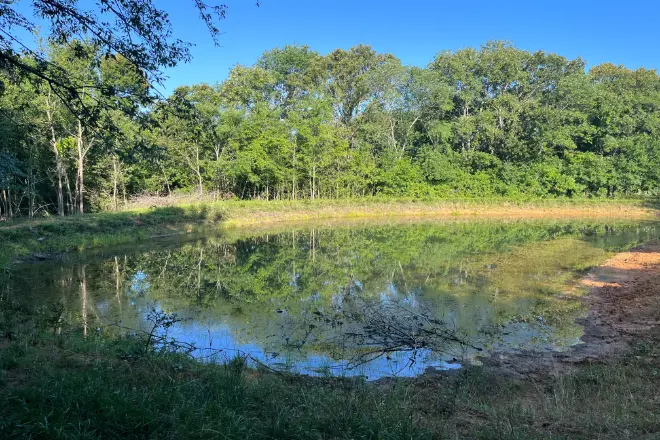
Unchecked nutrient levels are one of the biggest threats to pond and lake health.
Too much nitrogen or phosphorus can lead to rapid weed and algae growth, clouding your water and harming aquatic life.
Why Excess Nutrients Are Harmful
When nutrients build up—especially from lawn fertilizer, livestock runoff, or decomposing matter—they fuel overgrowth and throw your pond’s ecosystem out of balance.
- Algae Blooms – Can take over your waterbody quickly, blocking sunlight and reducing oxygen.
- Excess Weeds – Promote mats of aquatic plants that limit fish movement and lower water quality.
- Oxygen Depletion – When the excess growth dies off, decomposition saps oxygen, threatening fish and other wildlife.
Nutrient Control Strategies
Proactive nutrient control is key to effective pond management.
These strategies work well in Kansas and the surrounding region:
- Create Buffer Zones – Plant native grasses around the shoreline to absorb runoff.
- Reduce Fertilizer Use – Keep lawn chemicals and farm nutrients away from pond and lake edges.
- Limit Livestock Access – Use fencing to keep animals from trampling shorelines and stirring up sediment.
- Apply Treatment Products – When needed, use nutrient-binding agents or biologicalaugmentation methods to lock up excess nutrients safely.
These steps are not only essential for water clarity—they’re also the foundation of long-term lake management success.
Sediment and Muck Management
Even the clearest pond or lake will face murky conditions over time if sediment and organic muck aren’t properly managed.
This buildup can damage water quality, limit pond depth, and trigger nutrient spikes that fuel unwanted algae and aquatic plants.
How Sediment Impacts Water Quality
Sediment accumulation doesn’t just look bad—it disrupts everything from fish habitats to the flow of clean water.
- Decreases Depth – Muck buildup shrinks usable pond volume, impacting fish movement and sunlight penetration.
- Clouds the Water – Suspended particles from runoff and bottom disturbance make water appear murky.
- Recycles Nutrients – Decaying organic material releases nutrients back into the water, feeding more weeds and algae.
Best Practices for Muck Removal
Strategic muck management is a vital part of pond management and lake maintenance across Kansas and surrounding regions.
- Targeted Cleanouts – Remove shoreline muck every 15–25 years to keep shallow areas usable and clean.
- Full Dredging – Plan a complete sediment removal every 50–70 years for older, larger waterbodies.
- Hydro-Raking – Ideal for managing compacted shoreline areas or tackling problem zones with minimal disruption.
For bigger jobs or older ponds, connect with professionals who specialize in long-term lake and pond management. Their tools and experience make a big difference.
Shoreline Protection and Erosion Control
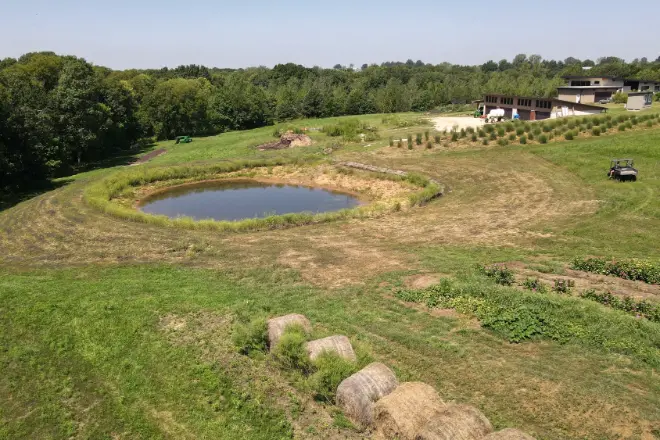
A crumbling shoreline isn’t just a cosmetic issue—it’s a direct threat to your pond or lake’s long-term stability.
Sediment erosion is a leading source of murky water, especially in Kansas where seasonal rains and wind are common.
Common Causes of Shoreline Erosion
Recognizing erosion early is key to keeping it from taking over your shoreline.
- Wind and Wave Action – Repeated water movement weakens banks and loosens soil.
- Runoff – Rainwater rushing down slopes carries sediment and nutrients with it.
- Lack of Vegetation – Bare ground is highly vulnerable to washing away.
How to Protect Your Shoreline
Preventing erosion is one of the smartest investments for any pond and lake management plan.
- Plant Native Ground Covers – Deep-rooted grasses and shrubs hold soil in place while enhancing wildlife habitat management.
- Use Natural Barriers – Rock riprap or limestone slabs deflect wave energy and protect banks.
- Stabilize Slopes – Maintain gentle, planted slopes to reduce erosion from both water and wind.
A protected shoreline not only preserves your property’s edge but also helps maintain water clarity and reduces the need for frequent dredging.
Aquatic Weed and Algae Control
Aggressive aquatic plants and thick algae blooms can quickly take over your pond or lake if left unchecked.
This ruins water clarity and limits oxygen levels, harming fish and other wildlife. Controlling invasive growth is a major part of successful pond and lake management in Kansas.
Identifying Problem Species
Not all plants are bad, but some grow fast and take over.
Knowing which types to watch for helps you act quickly.
- Duckweed and Watermeal – Tiny floating weeds that form dense surface mats.
- Filamentous Algae – Hair-like green strands that form clumps or scum on the surface.
- Invasive Plants – Such as hydrilla or Eurasian milfoil, which crowd out native species and disrupt ecosystems.
Effective Control Options
Controlling nuisance growth is all about finding the right method for your pond or lake size and condition.
- Manual Removal – Skimming and cutting are ideal for smaller infestations.
- Biological Control – Introducing species like grass carp (where legal) helps reduce excessive vegetation naturally.
- Herbicide Use – Spot treatments with approved aquatic herbicides work well for large infestations—just follow all local regulations.
Water Clarity and the Settling Process for New Ponds
If your new pond looks cloudy or muddy, don’t panic—it’s normal.
New waterbodies need time to stabilize, especially in areas like Kansas, where wind and soil type play a big role in turbidity.
How Long Does It Take a Pond to Settle?
Settling time varies based on size, weather, and soil disturbance:
- Small Ponds – Typically clear up in 6 to 12 weeks.
- Large Ponds or Lakes – It can take up to a full year to settle fully.
- Other Factors – Heavy rainfall, lack of shoreline vegetation, or poor grading can slow the process.
Follow the link to learn more about how long it takes a new pond to settle.
Tips to Support Faster Clarity
Helping your pond settle faster is part of smart pond management.
Here’s how to get clearer water sooner:
- Minimize Soil Disturbance – During construction, compact soil properly and reduce exposed areas. Follow the link for tips on mastering soil management during pond construction.
- Plant Immediately – Seed bare banks and slopes with native grasses to prevent erosion.
- Create a Filter Zone with a Catch Pond – Install a catch pond (also known as a silt pond) to trap sediment before it enters your main pond.
- Apply Natural Clarifiers – Products like flocculants or biological augmentation blends can speed up clarity safely.
Clear water doesn’t happen overnight, but with steady management, your pond or lake will naturally become more stable.
Construction Factors That Influence Long-Term Water Quality
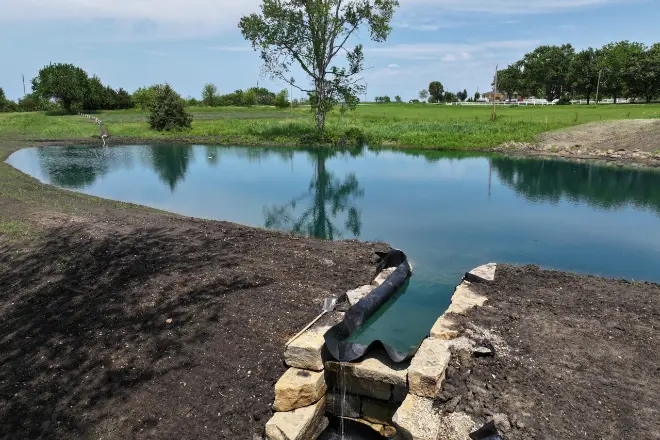
How your pond or lake is built plays a huge role in future maintenance and water quality.
A strong foundation makes all the difference for long-term success.
Designing for Water Quality From the Start
If you’re building a new pond in Kansas, integrating pond and lake management principles into the construction phase helps avoid costly fixes later.
- Inflow/Overflow Systems – Properly managed water flow and a pond overflow system helps prevent erosion and keep sediment out.
- Avoid Steep Banks – Gentle slopes reduce collapse risk and allow easier plant growth.
- Use a Catch/Silt Pondor Wetland – These shallow filtering zones help trap incoming sediment before it spreads across the main pond.
Follow the link for more tips on how to prevent soil erosion in pond construction.
Key Features That Support Clean Water
Whether it’s a farm pond or a backyard lake, the right design elements help you maintain clarity and support local fish populations.
- Proper Grading – Promotes stable edges and directs runoff away from vulnerable spots.
- Watershed Management – Control where water flows from and what it brings with it.
- Vegetated Buffers – Surrounding plant zones protect your water from pollutants and weeds.
A well-designed pond reduces the need for reactive services down the road—and gives lake owners a cleaner, more manageable body of water for generations to come.
Take the Guesswork Out of Water Quality with Bulletproof Pond and Lake
You now have a solid understanding of what it takes to keep pond and lake water clear, balanced, and healthy, starting with smart construction, proper erosion control, and long-term clarity strategies.
These insights help you avoid common water quality issues and lay the foundation for a thriving aquatic environment.
If you’re ready to start your acreage pond off right, Bulletproof Pond and Lake specializes in expert installation designed with long-term water quality in mind.
From site planning to final grading, our pond builders ensure your pond is built to perform—and look great—for years to come.