Building a Solid Pond: Soil Strategies that Matter
Have you ever wondered why some ponds thrive while others constantly face erosion and structural issues?
Are you concerned that poor soil management might lead to future headaches with your pond project?
In this post, we’ll explore how mastering soil management sets the foundation for constructing ponds that last.
You’ll learn the essential techniques to assess, manage, and utilize soil effectively during an acreage pond installation, ensuring stability and preventing costly mistakes down the road.
By the end, you’ll be equipped with the knowledge to avoid common pitfalls and ensure your pond is built to thrive.
The Importance of Soil Management in Pond Construction
Strategic soil management is the foundation of a successful pond construction project.
Without it, pond owners may face issues like erosion, uneven settling, and dam instability—leading to costly repairs down the line.
From farm ponds to fish ponds, every type of acreage pond requires careful planning and soil management to ensure their effectiveness and longevity.
Effective soil handling ensures long-term stability and maximizes the pond’s potential.
Why Soil Management is Crucial
Poor planning and soil mismanagement can result in severe issues, including water leakage and poor pond dike construction.
The drainage area is crucial in soil management as it helps maintain a consistent water supply and prevents problems like excessive silt and water level fluctuations.
Proper soil management involves understanding the soil type on the pond site and using the right techniques to avoid pitfalls.
- Topsoil Stripping: Removing and storing topsoil allows you to use it later for landscaping or reinforcing embankments.
- Selecting Suitable Soil: Identifying the best soil, like clay-rich soils, ensures the pond can hold water and reduces the chances of erosion.
- Preventing Erosion: By managing soil properly, you prevent runoff and water seepage that can lead to bank failures.
Case Study: Gardner, KS, 3-Acre Pond Project
In Gardner, Kansas, proper pond construction was achieved by taking strategic soil management steps.
This project illustrates the importance of water control structures, pond design, and suitable locations for excavation.
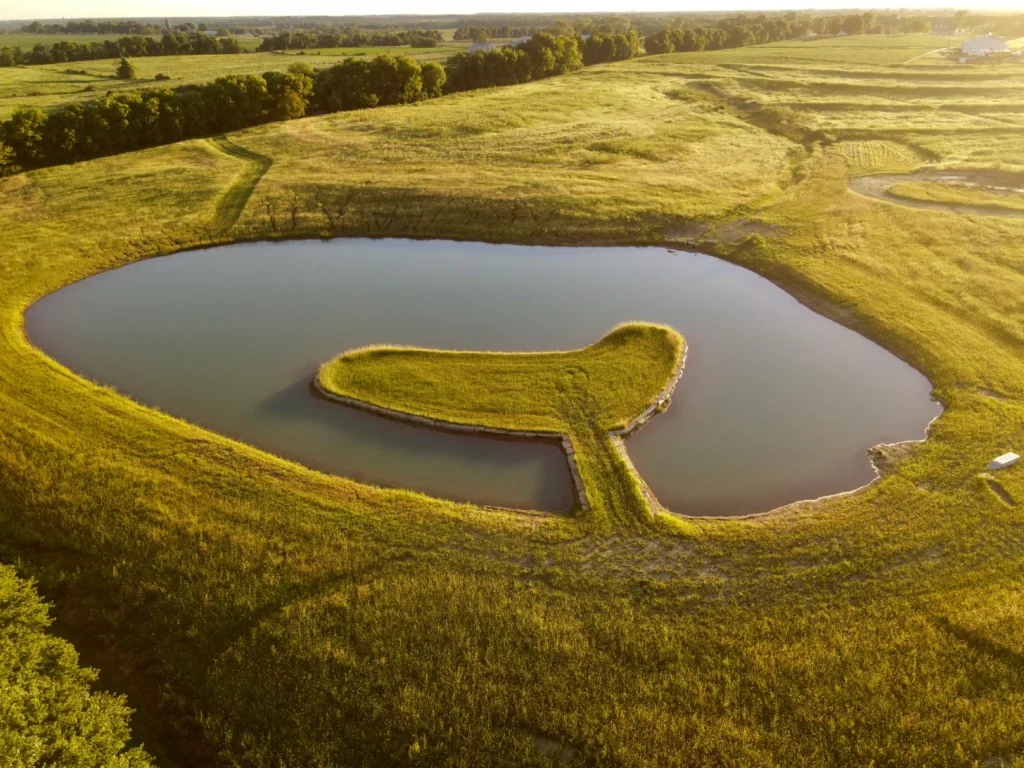
Before building a 3-acre pond with a peninsula in Gardner, KS, the team analyzed the soil layers to identify quality clay for dam construction, preventing future erosion issues and ensuring a long-lasting pond structure.
Strategic soil management protects your investment, ensuring that your pond is both durable and environmentally sound.
Understanding Soil Characteristics
Soil Types and Their Suitability for Pond Construction
When it comes to pond construction, understanding the characteristics of the soil at your pond site is paramount.
The type of soil you have can significantly impact the pond’s water retention, stability, and overall health.
There are several types of soils to consider:
- Clay Soils: These are ideal for pond construction due to their low permeability, which helps in holding water effectively. Clay-rich soils are less likely to erode, making them a top choice for building pond dikes and bottoms.
- Silt Soils: While silt soils can be used, they often require additional liners or coatings to prevent seepage. They are more permeable than clay but can still be managed effectively with the right techniques.
- Sand Soils: These are generally not recommended for pond construction because of their high permeability, which can lead to significant water loss.
- Loam Soils: A mix of clay, silt, and sand, loam soils can be suitable for pond construction depending on their specific composition. They offer a balance of permeability and stability but may require careful management.
Beyond soil type, factors like soil density, pH, and nutrient content also play crucial roles.
High nutrient content can lead to excessive growth of aquatic plants, while low pH levels can affect the pond’s water chemistry.
Consulting with experts such as the Natural Resources Conservation Service or a good pond construction contractor can help you determine the best soil type for your project.
By understanding and selecting the right soil, you lay the groundwork for a successful and sustainable pond construction project.
How to Properly Manage Soil in Pond Construction
Effective pond construction begins with a well-thought-out plan for handling the soil at your pond site.
Ensuring a consistent pond water supply is also crucial, as it helps maintain water levels, especially during dry weather when evaporation can cause significant water loss.
Managing the soil strategically ensures your pond is built on a solid foundation, capable of holding water and resisting erosion for years to come.
Gardner, KS, 3-Acre Pond Site Project: Soil Assessment and Identification
In the Gardner, KS pond project, pond owners and builders focused on soil quality to ensure a stable construction process.
Before the first scoop of dirt was moved, the team performed a soil survey and site assessment to determine how to manage topsoil and clay layers effectively.
- Site Assessment: The team analyzed the soil layers to identify suitable earth-fill materials and the best spots for clay extraction.
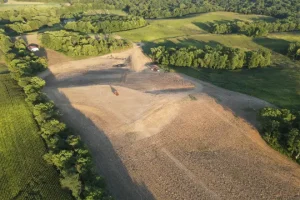
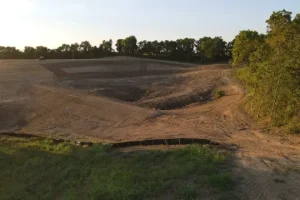
- Topsoil Stripping: Roughly 9,500 yards of topsoil were removed and stockpiled for future use. This preserved the top layer for landscaping and building stable pond dikes.
- Clay Identification: The next step was to access the quality clay needed to build the dam. This clay was then compacted to create a stable structure that could hold water. The use of unsuitable soil and a lack of proper compaction are usually the reasons why a pond or lake is leaking.
By approaching soil management with a strategic mindset, the team set up the project for long-term success.
Process of Proper Soil Management
Once the site assessment is completed, the following steps help guarantee good compaction and stability:
- Topsoil Stripping: Carefully strip and stockpile the topsoil for use around the pond during final touches.
- Soil Layer Identification: Analyze the underlying clay and sandy clays to determine what soil is suitable for building dams and pond bottoms.
- Clay Compaction: Use high-quality clay for pond dikes and dams, ensuring it is layered and compacted correctly with a scraper for a long-lasting pond structure.
Shallow ponds promote a diversity of plant growth, while deeper ponds can support fish habitats.
This underlines the need to balance pond depth with environmental considerations for wildlife habitats.
Effective soil management plays a critical role in preventing erosion and ensuring a successful pond build that will stand the test of time.
Managing Soil Compaction
Understanding Soil Compaction and Settlement
Soil compaction is a critical factor in pond construction, influencing both the stability and water quality of your pond.
Compaction occurs when soil particles are pressed together, reducing pore space and making the soil denser and less permeable.
This can happen naturally or through activities like the use of heavy machinery.
On the other hand, soil settlement refers to the gradual sinking or settling of soil over time, which can cause fluctuations in the pond’s water level.
Both compaction and settlement need to be managed effectively to ensure the longevity and performance of your pond.
Several factors contribute to soil compaction, including:
- Heavy Machinery: The use of construction equipment can compact the soil, making it less permeable.
- Foot Traffic: Repeated walking or movement over the soil can also lead to compaction.
- Water Pressure: The weight of water in the pond can naturally compact the soil over time.
Managing soil settlement involves regular monitoring and maintenance.
Keep an eye on the pond’s water level and adjust the water supply as needed.
Regularly inspect and clean the pond’s outlet and dikes to prevent issues related to soil settlement.
By understanding and managing soil compaction and settlement, pond owners can ensure a stable and sustainable pond construction project.
Soil Management for Building a Cut-Off Trench (AKA Core Trench)
Purpose and Benefits of a Cut-Off Trench
A cut-off trench, also known as a “core trench,” is an essential feature in pond construction, especially for sites with high water tables or unstable soils.
The primary purpose of a cut-off trench is to prevent water from seeping into the pond and to stabilize the surrounding soil.
Constructing a cut-off trench involves digging a trench around the pond’s perimeter, typically 3-4 feet deep and 1.5-3 feet wide.
This trench is then filled with an impermeable material, such as clay, to block water seepage.
The benefits of incorporating a cut-off trench into your pond construction project are numerous:
- Improved Stability: By preventing water from seeping into the pond, a cut-off trench helps maintain a consistent water level and reduces the risk of erosion.
- Reduced Water Loss: The impermeable barrier created by the trench ensures that water stays within the pond, enhancing water retention.
- Enhanced Water Quality: By controlling water seepage, a cut-off trench can also help prevent the growth of unwanted aquatic plants, leading to better water quality and reduced maintenance.
Consulting with a natural resources conservation service or a good pond construction contractor can help determine if a cut-off trench is necessary for your project.
By including a cut-off trench in your pond construction plans, you can ensure a successful and sustainable pond that meets your needs and enhances the surrounding environment.
Benefits of Proper Soil Management
Strategic soil management is the key to successful pond construction and ensuring the longevity of your pond.
By taking the time to properly handle the soil at the pond site, you can prevent common issues like erosion, settling, and water loss, setting the stage for a stable, durable pond.
Key Benefits of Proper Soil Management
Properly managing soil during pond construction has numerous advantages that benefit both the pond and its surrounding environment.
- Erosion Prevention: Proper pond construction soil management techniques reduce the risk of erosion, keeping the banks intact and preventing surface runoff from degrading the pond’s structure.
- Improved Water Retention: Using the right soil—like clay—for building dams and pond bottoms ensures that your pond will successfully hold water and avoid leaks.
- Cost Efficiency: Planning ahead with strategic soil management helps prevent expensive repairs that can result from poor soil handling during construction.
Gardner, KS, 3-Acre Pond Project Result: Success!
In the Gardner, KS pond project, the team’s attention to soil management led to a high-quality, long-lasting pond.
By carefully stripping and reusing topsoil, selecting the best clay for compaction, and planning for potential challenges, they ensured the pond’s longevity and stability.
By focusing on proper soil management, you not only create a well-functioning pond but also add value to the land around it, ensuring your project stands the test of time.
Follow the link to discover how a pond can increase property value.
Build Your Dream Pond with Bulletproof Pond and Lake for Pond Owners
By now, you’ve seen how crucial soil management is for building a long-lasting and stable pond.
From selecting the right soil to preventing erosion, these strategies help protect your pond from future problems and ensure it retains water properly.
Proper planning and execution are key to avoiding costly repairs down the road.
At Bulletproof Pond and Lake, we specialize in crafting ponds that are not only functional but also built to last.
Our team ensures that every step of the pond construction process is handled with precision, from site assessment to soil management and dam construction.
Ready to start your project with the right foundation?
Fill out our contact form today, or give us a call to discuss how we can bring your pond vision to life!