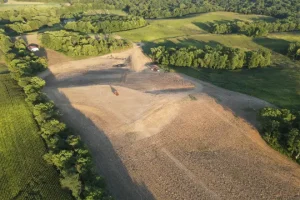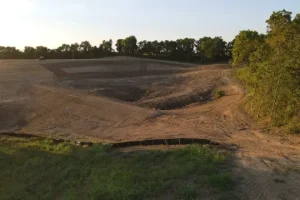
Hook, Line, and Sinker: How to Build a Fish Pond
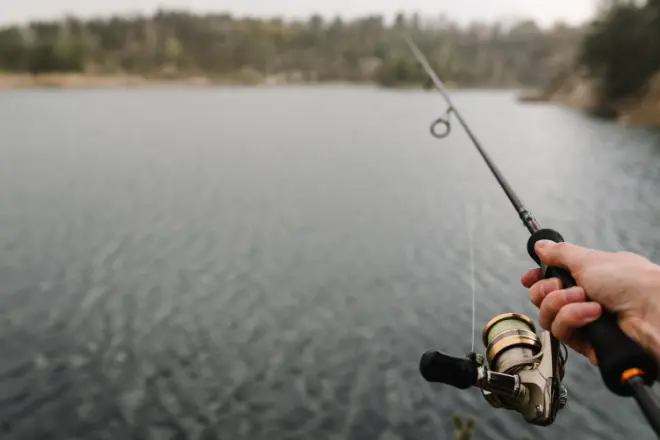
Ever catch yourself daydreaming about casting a line just steps from your back porch?
Wish you could create the perfect spot for your kids or grandkids to land their first fish?
In this post, you’ll learn the essential steps for building your own fishing pond—from legal requirements and site selection to stocking it with fish and keeping it healthy for the long haul.
By the end, you’ll know exactly how to turn your land into a tranquil, fish-filled retreat that adds beauty, value, and recreation to your property.
And if you’re ready to make your acreage pond installation happen without the guesswork, give Bulletproof Pond and Lake a call or fill out our contact form—we’re here to help you build it right from day one.
Initial Considerations: Research, Legal Requirements, and Budget
Before you grab a shovel, it’s crucial to start with thorough research and planning.
Let’s explore the essential steps for ensuring your fish pond project is legally compliant and within your budget.
Research and Legal Compliance
Building a fishing pond involves more than just digging a hole and filling it with water.
There are important regulations to follow, especially if you’re in Kansas City or the surrounding areas.
These rules help protect the environment and ensure that your pond is constructed safely.
- Local, State, and Federal Regulations: Before you begin, check with the Kansas Department of Agriculture (KDA) and the Natural Resource Conservation Service(NRCS). They can guide you on any necessary permits, particularly if your pond is near a stream or wetland. Follow the link to view more details on the permitting process for pond construction in Kansas and surrounding states.
- Clean Water Act: This federal law may require you to get approval from the Environmental Protection Agency (EPA) if your pond affects nearby waterways. Understanding these regulations early can prevent costly delays or fines.
Budget Planning
Creating a backyard pond is a significant investment, so it’s essential to budget carefully.
The cost to build a pond will vary depending on the size of the pond, the materials you choose, and whether you hire professional help or tackle the project yourself.
- Cost Factors: Consider expenses for excavation, purchasing a pond liner, and obtaining permits. Maintenance costs should also be factored in.
- DIY vs. Hiring a Contractor: While building your pond yourself might save money upfront, it can be time-consuming and complex. Hiring a certified pond consultant ensures that your pond is built correctly and complies with all regulations. Follow the link to better understand DIY pond cost vs. hiring a contractor.
By thoroughly researching regulations and carefully planning your budget, you’ll set a strong foundation for a successful pond project.
This preparation ensures that you can enjoy your pond for years to come without unexpected legal or financial setbacks.
Site Selection: Choosing the Ideal Location
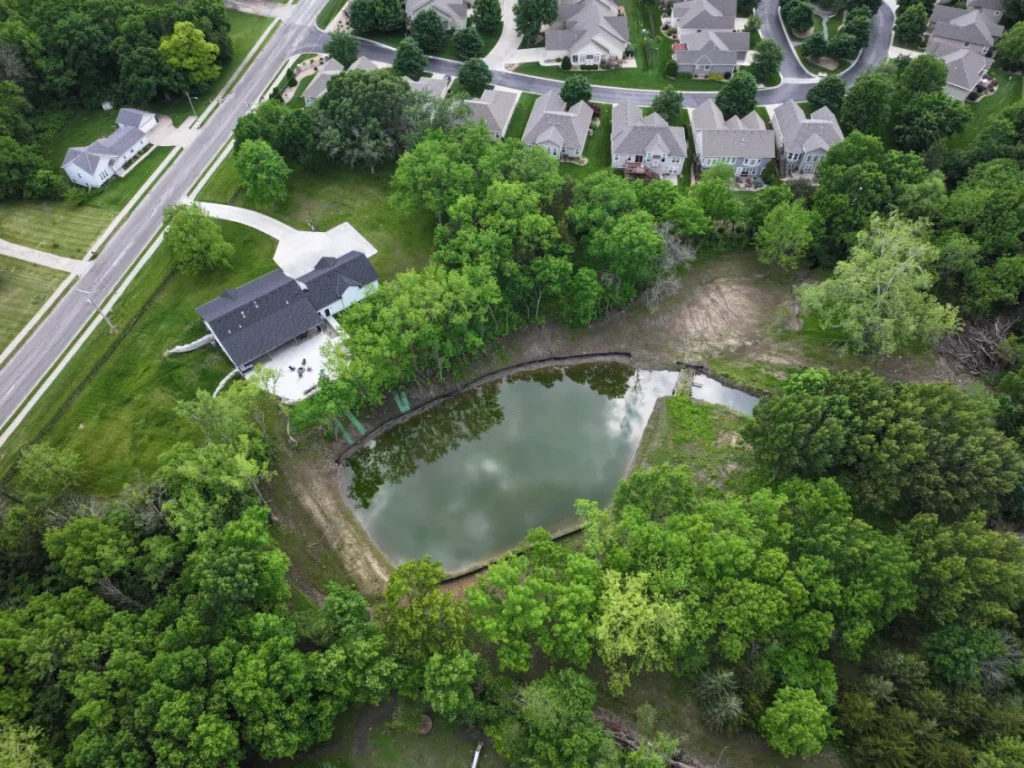
Selecting the perfect location for your fish pond is one of the most crucial steps in the entire process.
The right site will ensure your pond retains water effectively, supports healthy aquatic life, and integrates seamlessly with your landscape.
Selecting the Right Site
Choosing an appropriate site is essential for the long-term success of your pond.
In the Kansas City area, the natural landscape can offer various possibilities, but it’s important to evaluate each option carefully.
- Natural Drainage Basins: Look for natural low areas or basins where rainwater naturally collects. These spots are ideal as they help your pond fill naturally and consistently, reducing the need for additional water sources.
- Gentle Slopes: A site with gentle slopes around the pond area will funnel water into the pond and help with water retention. This also minimizes erosion, keeping your pond water clear and reducing the need for frequent maintenance.
- Distance from Structures: Ensure the pond is located far enough from buildings, septic systems, and other structures to prevent potential water damage. This is especially important in residential settings, such as when creating a backyard pond.
Soil Testing and Suitability
The soil type at your chosen site plays a significant role in how well your pond will function.
In Kansas City and the surrounding areas, conducting a soil test is a must to ensure your pond will hold water effectively.
- Clay Content: Your soil should contain a significant percentage of clay to properly retain water. Clay particles compact tightly, preventing water from seeping through the pond’s bottom and sides.
- Soil Sampling: Conduct tests by taking soil samples from different depths across the proposed pond area. If the soil lacks sufficient clay, you may need to import clay or use a pond liner to seal the pond.
- Consulting Experts: Consider reaching out to a certified pond consultant or the NRCS to analyze your soil and recommend the best approach. Their expertise can save you time and money, ensuring your pond is built to last.
Selecting the right site and ensuring the soil is suitable are foundational steps in how to build a fish pond that lasts.
By carefully evaluating these factors, you’ll set yourself up for success and enjoy a pond that not only looks great but functions perfectly for years to come.
Pond Design: Planning for Functionality and Compliance
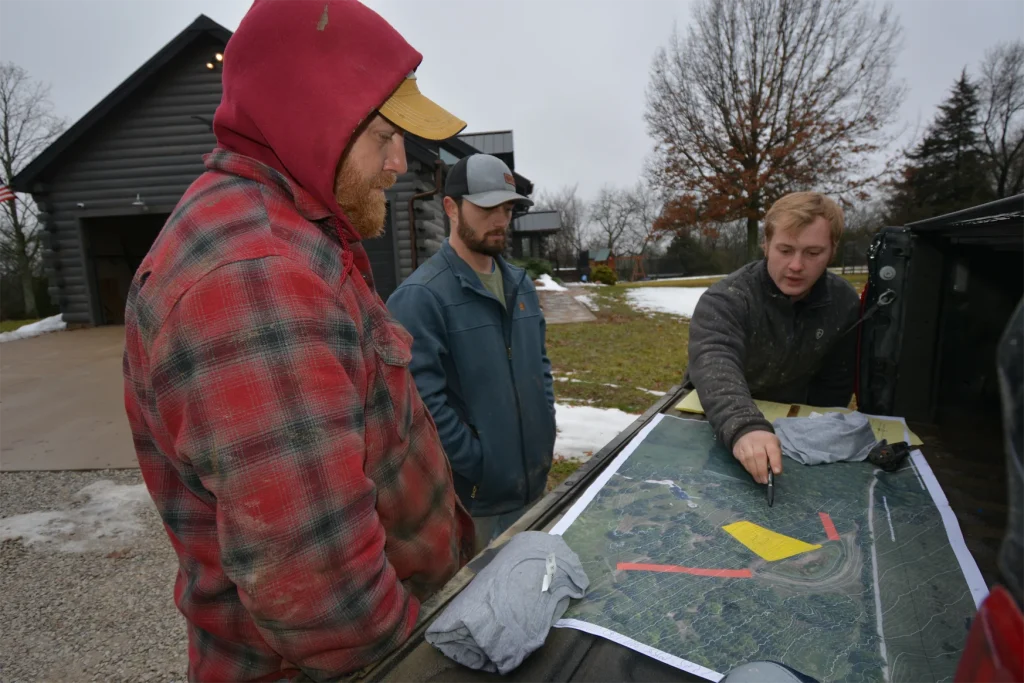
Designing your fish pond with both functionality and regulatory compliance in mind is key to creating a sustainable and enjoyable water feature.
Whether you’re planning a backyard pond or a larger farm pond, thoughtful design will ensure your pond supports healthy aquatic life and meets local guidelines.
Key Design Elements
Designing a pond requires careful consideration of its purpose, size, and shape.
- Pond Depth and Size: The pond’s size and depth are crucial factors in maintaining water quality and supporting fish. For warm water species like bass, aim for a pond depth of at least 8 to 12 feet. This depth helps maintain stable oxygen levels and prevents algae blooms during hot Kansas summers.
- Shape and Layout: The shape of your pond should facilitate water circulation and natural filtration. Irregular shapes with varying depths create diverse habitats, which can attract wildlife and support a range of aquatic plants.
- Water Volume: Calculate the pond volume to ensure it can support the number of fish you plan to stock. Larger ponds require more water management but offer greater flexibility in stocking different species.
Permitting and Environmental Impact
Before you start construction, it’s important to secure the necessary permits and consider the environmental impact of your pond.
This not only ensures legal compliance but also helps protect local ecosystems.
- Obtaining Permits: Depending on the size of your pond and its proximity to waterways, you may need permits from local, state, or federal agencies. In Kansas City, this often involves coordinating with the Kansas Department of Agriculture and possibly the U.S. Army Corps of Engineers for larger ponds.
- Environmental Considerations: When designing your pond, think about how it will interact with the surrounding environment. This includes developing a Stormwater Pollution Prevention Plan (SWPPP), as mandated by the EPA.
A well-designed fish pond not only meets your recreational and aesthetic goals but also supports a balanced ecosystem.
By carefully planning the depth, shape, and water volume and by securing the necessary permits, you’ll create a pond that thrives for years to come.
Construction Process: Step-by-Step Instructions
Constructing your fish pond requires careful attention to detail to ensure it functions properly and remains durable over time.
Keep reading to learn the key steps in building a pond that complements your Kansas City landscape.
Excavation and Grading
Excavation is the first major step in pond construction, and getting it right is essential for creating a stable and functional pond.
- Marking the Pond Area: Start by outlining the desired pond size and shape on the ground. Use stakes and string to mark the boundaries clearly, ensuring the pond’s size fits your design plan.
- Excavation Techniques: For larger ponds (.25 acres+), use heavy machinery like earthmoving scrapers, which are more efficient than backhoes or skid steers for moving large volumes of soil. This equipment helps create the pond depth necessary to support fish and maintain water quality. Follow the link to learn more about how to dig a pond.
- Grading the Pond: Ensure the pond slopes gradually from shallow areas to deeper sections. This grading helps prevent erosion and promotes even water distribution, which is crucial for the pond’s overall health.
Pond Lining and Sealing
Once the pond is excavated, lining it properly will prevent leaks and help retain water, especially in areas where soil lacks sufficient clay content.
- Choosing a Pond Liner: Depending on your soil’s characteristics, you may need a pond liner to seal the pond effectively. Flexible liners, such as PVC or rubber, are popular choices for backyard ponds and farm ponds alike. These liners adapt well to different shapes and are relatively easy to install.
- Clay Lining: If your site has access to high-quality clay, you can create an earthen dam or line the pond with clay to naturally seal it. Bentonite clay is particularly effective as it expands to fill cracks, ensuring a watertight seal.
- Installation Tips: When installing a pond liner, follow the manufacturer’s instructions closely to avoid punctures or improper sealing. Ensure the liner covers the entire pond surface, extending beyond the edges to anchor it securely.
Initial Filling and Water Source Management
Filling the pond and managing its water sources are crucial to establishing a healthy aquatic environment.
- Fill the Pond: Begin filling the pond slowly, allowing the liner or clay to settle and adhere to the pond’s surface. Natural water sources like rainwater or nearby streams are ideal for acreage ponds, but you can use a garden hose for smaller ponds. Gradual filling reduces the risk of shifting or damaging the liner.
- Water Quality Management: As the pond fills, monitor the water level and check for leaks. Testing the pond’s water quality, including pH and mineral content, ensures it supports aquatic life. If necessary, install a filtration system to maintain water clarity and prevent algae buildup.
By following these construction steps carefully, you’ll create a durable, well-functioning fish pond that not only enhances your property but also provides a thriving habitat for fish and wildlife.
Stocking and Habitat Management: Creating a Thriving Ecosystem
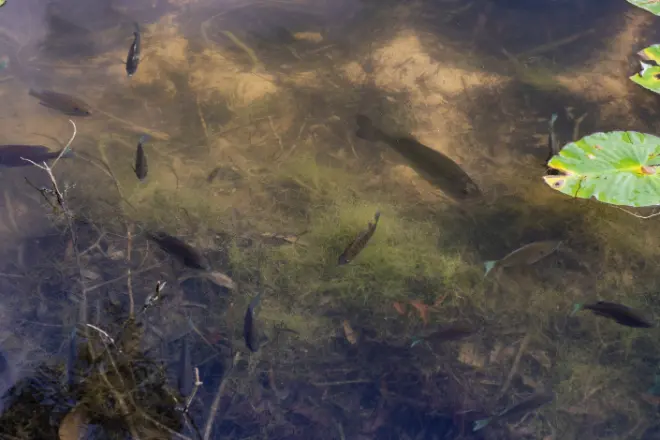
Once your pond is constructed and filled, it’s time to focus on creating a balanced and thriving ecosystem.
This involves carefully selecting fish species, introducing aquatic plants, and enhancing habitats to support local wildlife.
Fish Stocking Strategies
Adding fish to your pond is more than just tossing them in and hoping for the best.
To create a healthy environment, it’s important to choose the right species and manage the pond volume effectively.
- Selecting Fish Species: For a Kansas City backyard pond, consider stocking species that thrive in warm water, such as bluegill, bass, and catfish. These fish are well-suited to local conditions and help maintain a balanced ecosystem.
- Stocking Ratios: A general rule of thumb is to stock 100 bass per 400 bluegills per surface acre. This ratio helps ensure that the pond does not become overcrowded, preventing issues like stunted growth and poor water quality.
- Avoiding Overpopulation: In smaller ponds, it’s crucial to avoid overstocking, which can lead to depleted oxygen levels and unhealthy fish. Regularly monitor the fish population and adjust as necessary.
Planting and Habitat Enhancement
Introducing aquatic plants and enhancing the pond’s habitat is key to creating a vibrant ecosystem that supports both fish and wildlife.
- Aquatic Plants: Adding plants to your pond helps oxygenate the water and provides shelter for fish. Native species such as water lilies and cattails are excellent choices for Kansas City ponds, as they are well-adapted to the local climate.
- Creating Shallow Areas: Design your pond with shallow areas to accommodate a variety of aquatic plants and attract local wildlife. These zones also provide spawning grounds for fish and resting spots for birds and amphibians.
- Habitat Structures: Enhance your pond by adding features like rocks, logs, or artificial structures. These additions provide cover for fish, prevent fish from becoming stressed, and encourage a diverse ecosystem.
By carefully selecting fish species, introducing beneficial aquatic plants, and enhancing the pond’s habitat, you’ll create a balanced environment that supports all the fish and wildlife in your Kansas City backyard.
A well-managed pond not only looks beautiful but also functions as a thriving ecosystem year-round.
Long-Term Maintenance: Ensuring Longevity and Sustainability
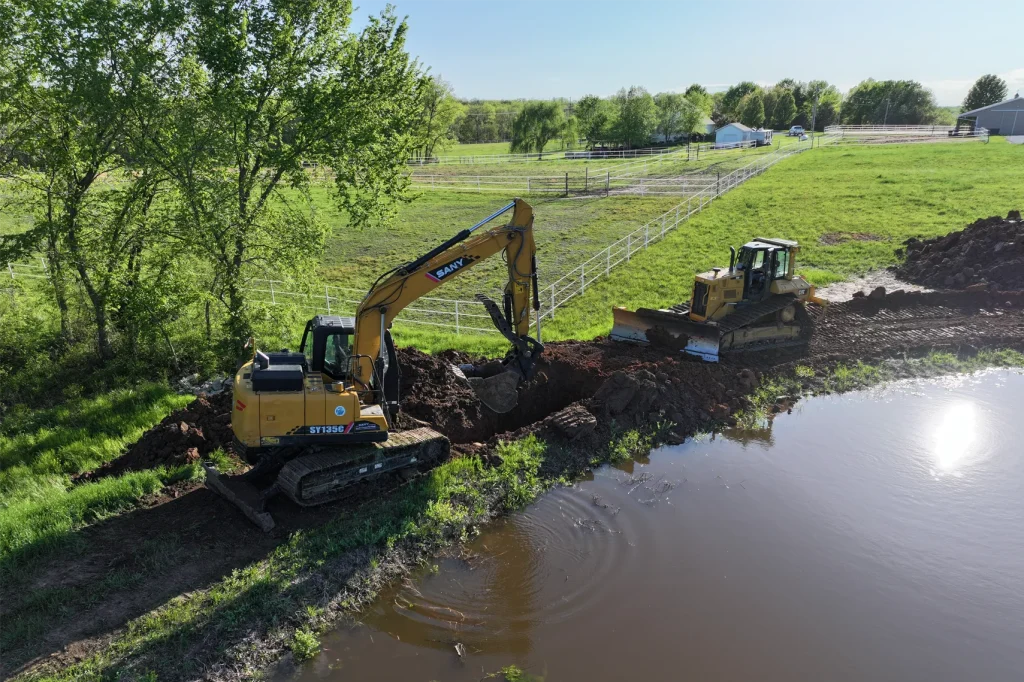
Maintaining your pond is essential to preserving its health and beauty over time.
With regular care and sustainable practices, your Kansas City backyard pond will continue to thrive and provide a serene environment for years to come.
Regular Pond Maintenance
Ongoing maintenance is key to keeping your pond healthy and ensuring that it remains a vibrant part of your landscape.
- Water Quality Monitoring: Regularly test the pond’s water for pH, oxygen levels, and contaminants. Maintaining balanced water chemistry helps prevent problems like algae blooms and supports the overall health of your fish and plants.
- Debris Removal: Fallen leaves, twigs, and other debris can accumulate in your pond (especially in smaller ponds), leading to water quality issues. Skim the surface of your pond regularly, especially during fall, to keep it clean. For deeper ponds, a targeted “muck out” may be required every 15-25 years, and a full “drain and clean” every 50-70 years.
- Managing Algae Growth: Algae can quickly become a problem if left unchecked. Introduce algae-eating fish like grass carp or use natural treatments like barley straw to control algae growth.
Sustainable Practices
Incorporating eco-friendly practices into your pond maintenance routine will help ensure your pond remains a sustainable property feature.
- Natural Filtration Systems: Install a biological filtration system that uses plants and beneficial bacteria to clean the pond’s water. This not only improves water quality but also reduces the need for chemical treatments.
- Shallow Water Zones: Create shallow water zones with native aquatic plants. These areas support a healthy nitrogen cycle, which is crucial for maintaining a balanced ecosystem. The plants in these zones also help filter water and provide shelter for young fish and other small wildlife.
- Seasonal Care: In colder months, small ponds may need to be winterized. This may include installing a pond heater or aerator to prevent the water from freezing completely, which can be especially important for smaller ponds that are more susceptible to temperature changes. Large acreage ponds do not require winterization.
By following these maintenance and sustainability tips, your backyard pond will continue to be a source of enjoyment and tranquility.
Regular care ensures that your pond remains a thriving ecosystem that enhances the beauty and value of your Kansas City property.
Build the Fish Pond of Your Dreams with Bulletproof Pond and Lake
You now know exactly what it takes to plan, dig, stock, and maintain a fishing pond that’s both beautiful and functional—without missing a critical step.
When you’re ready to bring your dream pond to life, trust the pond contractors that know how to handle large-scale acreage pond installations with precision and care: Bulletproof Pond and Lake.