How to Dig a Pond: Key Points
- What are the steps to build an acreage pond? Constructing an acreage pond involves selecting the right site, conducting soil tests, obtaining permits, and excavating using heavy machinery. Professional expertise ensures proper depth, contour, and sealing for long-lasting water retention.
- Why is hiring professionals important for pond construction? Professionals bring specialized knowledge, advanced equipment, and compliance with regulations. They ensure efficient excavation, accurate pond design, and reduced long-term maintenance costs, saving time and avoiding costly mistakes.
- What factors influence the cost of building an acreage pond? Costs depend on soil quality, site topography, pond size, and additional features like fish structures or shoreline enhancements. Excavation alone for a 1-acre pond typically costs $45,000, excluding custom additions or maintenance.
Dive Into the Details: Transforming Your Property with a Pond
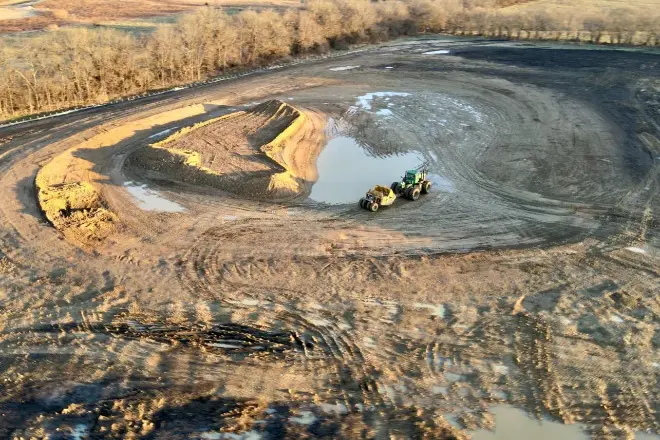
Have you ever imagined turning part of your property into a tranquil pond, adding both beauty and functionality?
Do you dream of having a personal oasis where you can relax, fish, or attract wildlife?
In this post, you’ll learn the essential steps of acreage pond construction and discover why enlisting professional help is a smarter choice.
By reading on, you’ll understand the benefits of professional acreage pond installation and avoid common pitfalls that DIY enthusiasts often encounter.
Ready to transform your property? Fill out our contact form today, or give us a call!
How to Dig a Pond: Planning and Design
Site Selection and Soil Analysis
Choosing the right location for your pond is crucial to its success.
In Kansas City, KS, and surrounding areas, you’ll want to consider proximity to natural water sources, land topography, and the overall use of the land.
Here are the key steps:
- Choosing the Right Location:
- Look for a low-lying area where water naturally accumulates.
- Ensure the pond site is accessible for maintenance and use.
- Soil Testing:
- Testing soil types is essential to determine if the ground will hold water effectively. Sandy soil may require additional sealing.
- Conduct tests to measure soil permeability and composition.
Determining Size and Depth
The size and depth of your pond depend on its intended purpose, whether for irrigation, recreation, or as a wildlife habitat.
- Assessing Your Needs:
- Define whether the pond will be used for fishing, irrigation, or as a wildlife pond.
- Determine the required pond depth and volume to support your goals.
- Hydrological Studies:
- Conduct studies to understand water inflow and outflow patterns, including rainwater and surface runoff.
- Ensure there is a reliable water source to maintain the pond’s water level.
By planning carefully and conducting thorough soil and site analyses, you can set the stage for a successful pond that enhances your property’s value and utility.
How to Dig a Pond: Obtaining Permits
Local and Federal Regulations
Before you begin digging your pond, securing the necessary permits is essential.
This step ensures that your pond complies with local and federal environmental regulations, protecting natural resources and avoiding legal issues.
- Environmental Impact Assessments:
- Required for large farm ponds to assess potential effects on the environment.
- Ensures that the construction process does not negatively impact local ecosystems.
- Permitting Process:
- Obtain the proper permits from local authorities, including the Natural Resources Conservation Service, if applicable.
- Compliance with regulations such as the Storm Water Pollution Prevention Plan (SWPPP) is crucial to maintain water quality and manage surface runoff effectively.
Acreage ponds that meet certain criteria will also require the involvement of the U.S. Army Corps of Engineers. Follow the link to learn more about the permitting process for pond construction.
By following these guidelines, you can ensure that your pond project is environmentally responsible and legally compliant.
This step is vital in preserving the valuable resources in and around Kansas City, KS.
How to Excavate a Pond: Acreage Pond Excavation Process
Equipment Needed
Professional pond excavation is critical to the success of your acreage pond.
Using the right equipment and having the necessary expertise will ensure the pond is constructed efficiently and effectively.
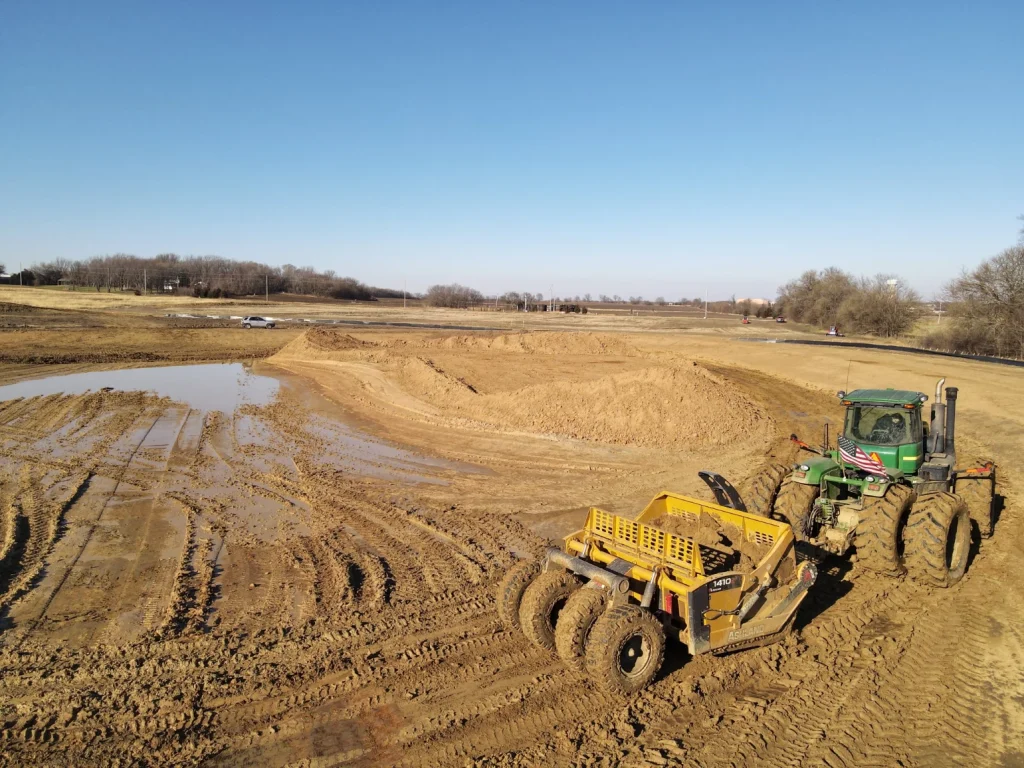
- Heavy Machinery:
- Essential tools include scrapers, tractors, and other earthmoving equipment.
- This machinery is necessary for handling large volumes of soil and creating the pond basin.
- Technical Expertise:
- Skilled operators are required to manage the heavy equipment and execute the pond design accurately.
- Professional knowledge helps in mitigating soil erosion and ensuring proper depth and contour of the pond.
Step-by-Step Pond Excavation
Excavating a pond involves several detailed steps.
Here’s a concise guide on how to dig a pond effectively:
- Initial Digging:
- Begin digging by removing the topsoil and marking the boundaries of your pond.
- Ensure that the pond site is prepared for the subsequent stages of excavation.
- Shaping the Pond:
- Create the desired depth and contour by carefully excavating the land.
- Form deeper water zones for fish and shallow areas for aquatic plants.
- Removing Excavated Soil:
- Transport and dispose of the large quantities of soil that are dug up.
- Proper soil management is essential to avoid creating unwanted mounds and to maintain site cleanliness.
By following these steps, you ensure that the entire pond is excavated correctly, setting a solid foundation for the remaining construction process.
Importance of Proper Pond Sealing
Lining your pond is essential to prevent water leakage, ensuring that your pond maintains its water level and functions as intended.
- Preventing Leakage:
- Proper lining is crucial for retaining water and avoiding seepage into the surrounding soil.
- Using appropriate materials can significantly extend the lifespan of your pond.
- Materials Used:
- Clay: A natural and effective material for sealing ponds, especially suitable for farm ponds in Kansas City.
- Synthetic Liners: These liners, although less common for large ponds, can be used in areas with sandy soil to ensure the pond holds water.
Installation Techniques for Pond Liners
Ensuring that the lining is installed correctly is vital to the overall success of your pond.
- Liner Placement:
- Carefully place the liner to avoid wrinkles and ensure a smooth surface, which helps in maintaining water quality.
- It’s important to cover the entire pond basin uniformly to prevent any weak spots.
- Sealing Edges:
- Secure the edges of the liner to prevent water from seeping out.
- Use heavy equipment, if necessary, to firmly anchor the liner and fill gaps with clay or other suitable materials.
By focusing on proper lining and sealing, you can create a durable and efficient pond that serves your needs and enhances your property.
Finishing Touches
Adding Plants and Fish
Introducing vegetation and fish into your pond enhances its aesthetic appeal and ecosystem health.
- Aquatic Vegetation:
- Planting aquatic plants like lilies and cattails helps stabilize the pond’s environment.
- Vegetation in shallow water areas improves water quality by absorbing nutrients and providing habitat for wildlife.
- Stocking Fish:
- Select local fish species, such as bass or bluegill, which are suitable for warm water conditions in Kansas City.
- Ensure a balance between predator and prey fish to maintain a healthy ecosystem.
Erosion Control and Maintenance
Maintaining your pond involves ongoing care to preserve its functionality and beauty.
- Shoreline Stabilization:
- Use rocks, like rip-rap or limestone, and plants to prevent soil erosion and protect the pond’s edges.
- Erosion control is crucial for maintaining the pond’s water quality and depth.
- Regular Upkeep:
- Regularly remove debris and manage plant growth to keep the pond clean.
- Monitor water levels and quality to ensure the health of fish and aquatic plants.
By focusing on these finishing touches, you can create a vibrant, sustainable pond that offers long-term enjoyment and ecological benefits.
Small Backyard Ponds vs. Acreage Ponds
DIY Potential for Small Backyard Ponds
Small backyard ponds that are less than a 1/4 acre in size are relatively straightforward and can often be a DIY project.
Here’s why they’re more manageable:
- Simple Tools and Techniques:
- You can begin digging a small pond with basic gardening tools, such as shovels and wheelbarrows.
- Shallow water depths make excavation less labor-intensive.
- Minimal Regulatory Requirements:
- Smaller ponds typically require fewer permits and have less stringent compliance issues.
- The lower pond volume reduces the need for complex environmental assessments.
Challenges of Large Acreage Ponds
Constructing large ponds involves extensive planning and resources, making DIY efforts impractical.
We strongly recommend hiring a professional pond builder for acreage ponds.
- Extensive Excavation:
- Digging an acreage pond requires heavy multimillion-dollar equipment (such as scraper systems) and significant labor.
- Managing the large soil volume is challenging without professional help.
- High Costs:
- Renting and operating heavy machinery can be prohibitively expensive.
- Additional expenses include materials for lining, sealing, and erosion control.
- Regulatory Complexity:
- Large ponds must comply with stringent environmental and safety regulations.
- Proper permits and assessments, such as those from the Natural Resources Conservation Service, are necessary.
Understanding these distinctions helps you decide whether to DIY a small pond or hire professionals for a larger acreage pond.
Why Not to DIY a Large Acreage Pond
High Financial Investment
Creating a large pond involves significant financial outlay, making DIY efforts both costly and impractical.
- Equipment and Materials:
- Renting heavy equipment like excavators and scrapers is expensive.
- Purchasing materials such as clay for lining or rip-rap for the shoreline adds to the cost.
- Hidden Expenses:
- Obtaining the necessary permits and complying with regulations can incur additional costs.
- Unexpected issues, such as poor soil conditions, can lead to further expenses.
Need for Specialized Skills
Constructing a large pond requires expertise that goes beyond basic DIY knowledge.
- Technical Knowledge:
- Understanding soil analysis, hydrology, pond design, and construction techniques is crucial for success.
- Professionals ensure the pond fills correctly and maintains water quality.
- Risk of Errors:
- Mistakes in the excavation process can result in poor pond structure and water retention issues.
- Professionals have the experience to avoid common pitfalls and ensure a durable pond.
Time and Labor Intensity
Building a large pond demands substantial time and physical effort.
- Extended Project Timelines:
- DIY projects often face delays, extending the time required to complete the pond.
- Professionals can expedite the process with the right equipment and experience.
- Physical Demands:
- Excavating and shaping the pond is labor-intensive and can be physically demanding.
- Hiring professionals reduces the risk of injury and ensures efficient completion.
Understanding these challenges highlights why hiring professionals is the best approach for constructing a large acreage pond, ensuring a high-quality, cost-effective, and durable result.
Benefits of Hiring Pond Installation Professionals
Cost-Effective Solutions
Engaging professionals for pond construction can lead to substantial long-term savings and ensure the project stays within budget.
- Long-Term Savings:
- Reduced maintenance and repair costs due to high-quality construction.
- Proper planning and execution minimize the risk of costly mistakes.
- Accurate Budgeting:
- Professionals provide detailed cost estimates, preventing unexpected expenses.
- Expertise in sourcing materials and efficient use of resources ensures cost-effective solutions.
Expertise and Equipment
Hiring experts brings specialized knowledge and advanced tools to your pond project.
- Skilled Labor:
- Experienced contractors understand the nuances of pond construction, from excavation to finishing touches.
- Professional oversight ensures that every aspect of the project meets industry standards.
- Advanced Machinery:
- Access to the right equipment, such as heavy machinery and specialized tools, allows for efficient and precise work.
- Using advanced technology helps manage large-scale projects effectively. Bulletproof Pond and Lake uses modern technologies such as drones, LiDAR surveys, GPS, and AutoCAD to ensure efficiency in every aspect of pond construction.
Quality and Durability
Professional pond construction guarantees a durable and high-quality outcome.
- Construction Standards:
- Adherence to best practices ensures the pond is built to last, with proper depth and water retention.
- Techniques for preventing soil erosion and maintaining water quality are expertly implemented.
- Longevity:
- Professionally constructed ponds require less frequent repairs and are easier to maintain.
- Ensuring the pond is built right the first time adds value to your property and provides a reliable water feature for years to come.
By opting for professional services, you ensure a smooth, efficient, and high-quality pond construction process that stands the test of time and enhances your Kansas City property.
Pond and Lake Digging in Kansas City: Let Bulletproof Pond and Lake Dig Your Dream Pond
By understanding the complexities of pond construction, you now know why professional expertise is crucial.
From site selection to lining and sealing, each step requires precision and skill to ensure a successful outcome.
Bulletproof Pond and Lake offers the experience and equipment necessary to tackle even the largest pond projects.
Let Bulletproof Pond and Lake handle your pond installation needs!