From Dirt to Dream Pond: Turning Acres into Waterfront Paradise
Ever looked out at your wide-open land and imagined a sparkling pond shimmering under the Kansas sun?
Or wondered how much planning, digging, and design it really takes to turn that vision into reality?
In this post, you’ll learn exactly what goes into building an acreage pond, from the first scoop of soil to the final fill.
You’ll discover how expert surveying, smart design, and the right upgrades can turn a simple hole in the ground into a thriving ecosystem and a personal retreat.
By the end, you’ll know how to bring your acreage pond dreams to life with precision, beauty, and long-lasting performance.
Ready to get started?
Call Bulletproof Pond and Lake today or fill out the contact form to begin your transformation from dirt to dream pond.
Understanding the Permitting Process for Pond Construction
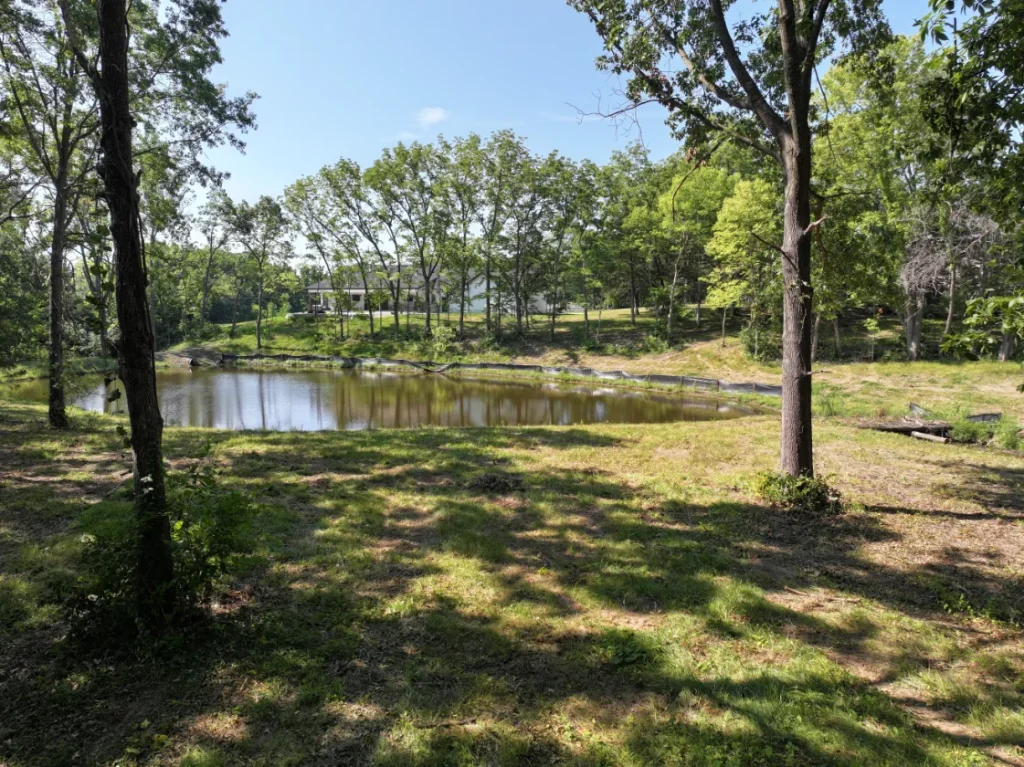
Before you break ground on your pond in Kansas City, it’s essential to navigate the necessary permits to stay compliant with local and federal regulations.
Whether you’re planning a small residential pond or a larger one for livestock, understanding the legal landscape will save you time and potential headaches.
U.S. Army Corps of Engineers Involvement
If your pond construction involves creating a water body over 50 acre-feet or building in regulated waterways, you will need approval from the U.S. Army Corps of Engineers.
This is a vital step to ensure the project complies with national standards and doesn’t impact surrounding ecosystems or water sources.
Stormwater Pollution Prevention Plan (SWPPP)
For larger excavation projects, such as those disturbing more than one acre of land, you are required to submit an SWPPP.
This plan ensures that any runoff generated during the digging process is managed properly to maintain water quality and avoid contamination.
Kansas-Specific Permits and Water Rights
In Kansas, if your pond is meant for irrigation or other agricultural purposes, you’ll need to secure water rights from the Kansas Department of Agriculture.
Additionally, consulting with the Kansas Department of Wildlife and Parks is recommended to make sure your pond doesn’t disrupt local wildlife or violate environmental guidelines.
Getting the right permits ensures that your pond project complies with legal requirements, helping you avoid delays and costly fines down the line.
Follow the link to learn more about the permitting process for pond construction in Kansas, Missouri, Oklahoma, and Texas.
Key Considerations for Pond Construction in Kansas
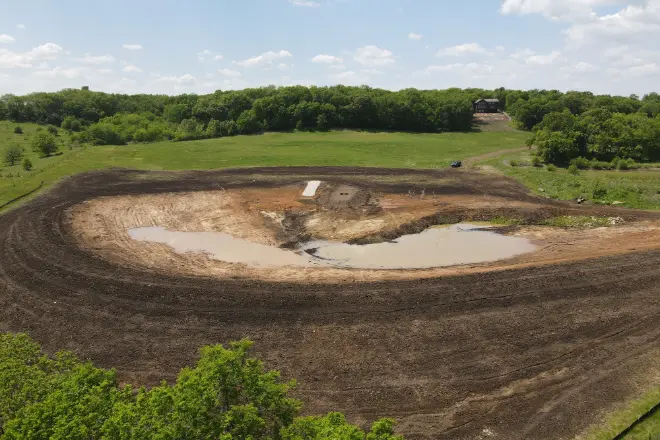
Building a pond in Kansas City, KS, requires careful planning to ensure long-term success.
From selecting the right location to testing the soil, each step plays a vital role in creating a durable and functional pond.
Let’s explore the most important factors to consider when embarking on your pond-digging project.
Pond Size and Depth
The size and depth of your pond largely depend on its intended purpose.
Whether you’re planning for fishing, watering livestock, or adding a scenic attraction to your property, depth and dimensions are key.
- Recommended Depth: For most ponds in Kansas, a depth of 8-12 feet is optimal to support aquatic life, such as fish, and to maintain water quality.
- Size Considerations: Larger ponds or lakes typically support more wildlife and may also require more robust drainage systems to prevent flooding.
Site Selection and Soil Testing
Selecting the ideal spot on your property and testing the soil is crucial for successful pond construction.
The soil must have the right composition to hold water and prevent seepage.
- Soil Testing: Clay soil is ideal for retaining water, while rocky or sandy soil may need additional liners to avoid leaks.
- Drainage and Water Flow: Ensure that the area allows for proper drainage to prevent overflow or erosion. You’ll also want to manage the water source carefully to maintain a steady water level throughout the year.
Spillways and Drainage Systems
Preventing overflow and managing water levels are essential for long-term pond health.
Proper drainage helps avoid flooding and damage to the shoreline.
- Spillways: These structures control excess water during heavy rainfall, directing the flow away from your pond and surrounding areas.
- Overflow Pipes: Installing overflow pipes ensures that water remains at a stable level, particularly in new ponds where water balance is still being established.
Taking these factors into account during the planning stage will help ensure your pond is built to last, providing beauty and function to your property for years to come.
Designing Your Pond for Wildlife and Recreation
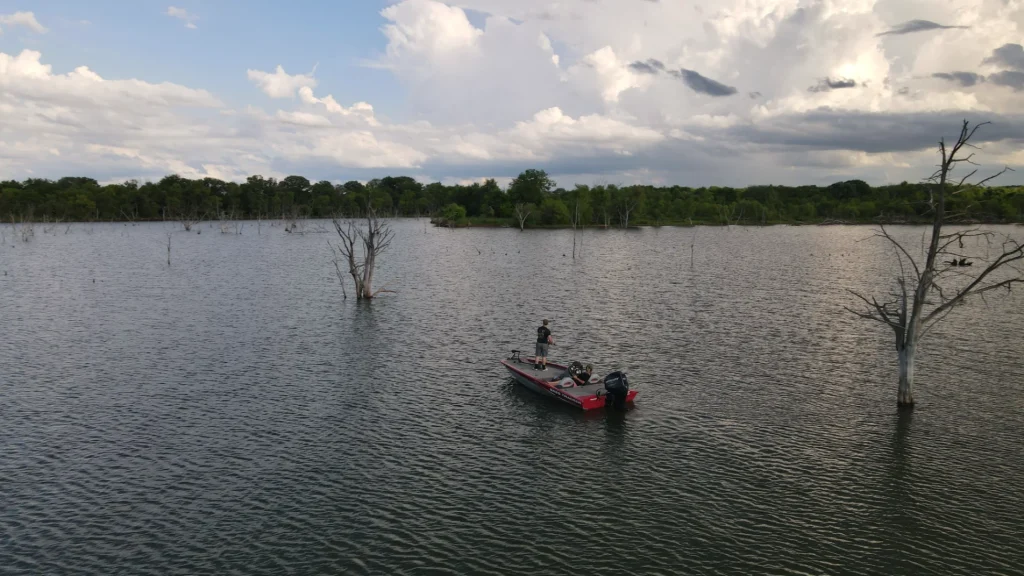
If you’re looking to enhance your property with a pond that supports both wildlife and recreation, proper design is crucial.
The key is to create a balance between ecological health and practical use, ensuring the pond serves both purposes seamlessly.
Whether you’re thinking about fishing, hosting wildlife, or using the pond for livestock, planning ahead can make all the difference.
Fish and Wildlife Habitat
A well-designed pond can be a thriving habitat for fish and other wildlife.
Creating different depths and adding features like plants and water structures will ensure the ecosystem flourishes.
- Designing for Biodiversity: Including varied depths in your pond construction supports a range of species. Shallow areas provide habitat for small animals, while deeper zones help maintain cool water temperatures that benefit fish.
- Adding Plants: Aquatic plants around the pond’s edge and within the water can help filter nutrients, improve water quality, and create a more stable environment for wildlife.
Balancing Recreation and Ecosystem Health
Many Kansas City residents want a pond that offers more than just aesthetics—ponds designed for both fishing and supporting wildlife are becoming increasingly popular.
- Dual-Purpose Design: Ponds can be designed to accommodate fishing while also supporting local ecosystems. By carefully managing water quality and plant life, you can create a sustainable environment for both.
- Recreation Options: For larger ponds or lakes, consider swimming zones or areas for small boats. Proper design will ensure these activities don’t disturb the pond’s ecological balance.
Maintenance and Upkeep
Long-term maintenance is essential to preserving both recreational use and the pond’s health.
Regular care ensures the pond remains functional and beautiful.
- Water Filtration and Quality: Installing biological filtration systems, such as wetlands, or managing water sources helps maintain good water quality for both fish and recreational users.
- Debris Removal: Regular excavation or cleaning of debris is important for avoiding blockages in drainage systems and ensuring the pond functions properly over time.
By balancing the needs of recreation and wildlife, you’ll create a pond that enhances your property while providing years of enjoyment for both you and local wildlife.
Excavation Techniques for Long-Term Success
To ensure that your pond in Kansas City lasts for years and functions efficiently, it’s crucial to follow professional excavation techniques.
Professional pond excavation not only shapes the pond but also prevents common issues like leaks, erosion, and poor water retention.
Here’s how a professional approach to pond construction can lead to long-term success.
Proper Depth and Sloping
The depth and slope of a pond are essential for preventing erosion and creating a stable environment for both fish and swimming.
- 3:1 Slope Ratio: A standard slope ratio ensures the pond’s banks are stable and less prone to erosion. This means for every three feet of horizontal distance, the pond drops one foot in depth.
- Excavating Deep Water Zones: New ponds designed for fishing or lakes with deeper zones (8–12 feet) help maintain cooler water temperatures, which is ideal for aquatic life.
Soil Compaction and Water Retention
Without proper soil compaction, a pond may struggle to retain water, leading to leaks and inefficiency.
- Clay Compaction: Compacting clay soil is critical for forming a solid base that retains water and reduces the risk of leaks. This method ensures that the pond holds water consistently over time, even during dry spells.
Avoiding Common Pitfalls in Pond Digging
Professional pond digging services understand the potential challenges and avoid common mistakes that can derail a project.
- Ignoring Soil Testing: Failing to test soil can result in ponds that don’t hold water properly. A thorough soil analysis can identify the right type of soil or liner needed for long-term success.
- Inadequate Drainage Systems: Proper drainage systems, like spillways and overflow pipes, help regulate water levels and prevent flooding during heavy rains.
By following these expert excavation techniques, your pond will not only last longer but also provide better habitats for fish and enhance your property for years to come.
Timeline and Costs of Pond Digging in Kansas City
Understanding the timeline and costs involved in a pond construction project is crucial for proper planning.
The size of the pond, location, and excavation requirements all play a role in determining how long the project will take and the total expenses.
Let’s break down these factors for pond-digging projects in Kansas City.
Cost Factors
Several factors affect the cost of pond excavation, from the size of the pond to the complexity of the land.
Follow the link to learn more about the cost of building a pond.
- Size and Location: Larger ponds require more work and resources, leading to higher costs. The location of the pond on your property can also impact pricing, especially if the terrain is challenging or if rock needs to be removed.
- Site Preparation: Clearing land, grading, and excavation are the primary stages where costs accumulate. The type of soil and whether any additional systems (like drainage or overflow pipes) are needed will influence the final price.
Project Timeline
Pond construction timelines vary based on the project’s complexity and size.
- Permit Approval: Securing the necessary permits can take anywhere from a few weeks to a couple of months, depending on your local regulations and the scope of the project.
- Construction Phase: After permits are obtained, the excavation and build phases typically take several weeks. Smaller residential ponds may be completed in a few weeks, while larger ponds for fishing or livestock use could take longer.
Planning ahead ensures that your pond construction stays on schedule and within budget.
It’s always helpful to work closely with a professional team to get a clear understanding of both the timeline and associated costs.
Build It Right the First Time with Bulletproof Pond and Lake
Now that you know what it takes to create a stunning, functional acreage pond, you can see how the right planning and upgrades make all the difference.
From smart design to lasting results, every detail helps turn open land into something truly remarkable.
When you’re ready to make that vision a reality, the acreage pond builders at Bulletproof Pond and Lake have the experience, technology, and hands-on expertise to bring your project to life.
Reach out today to start building a pond that looks incredible, performs flawlessly, and lasts for generations.