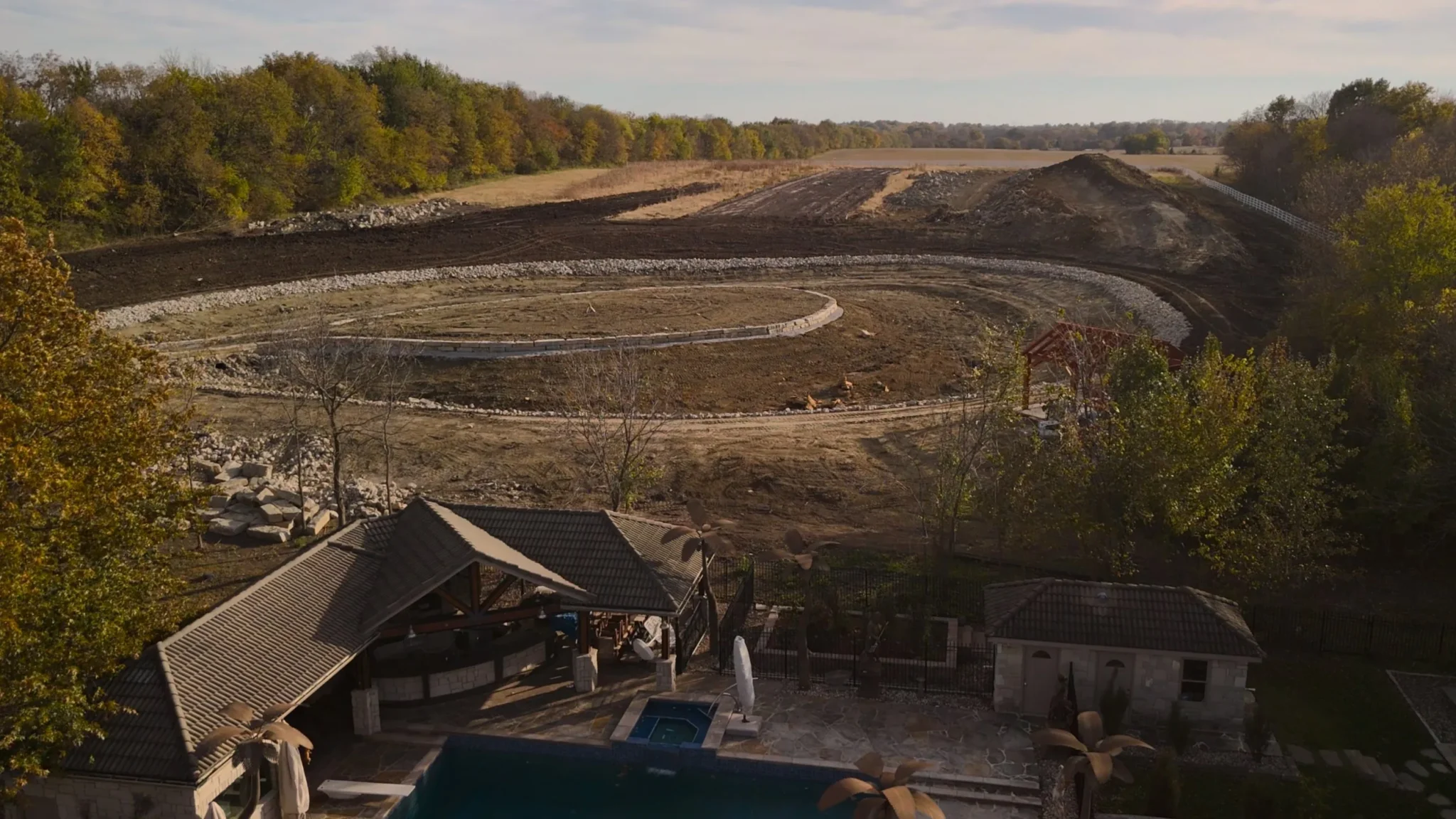
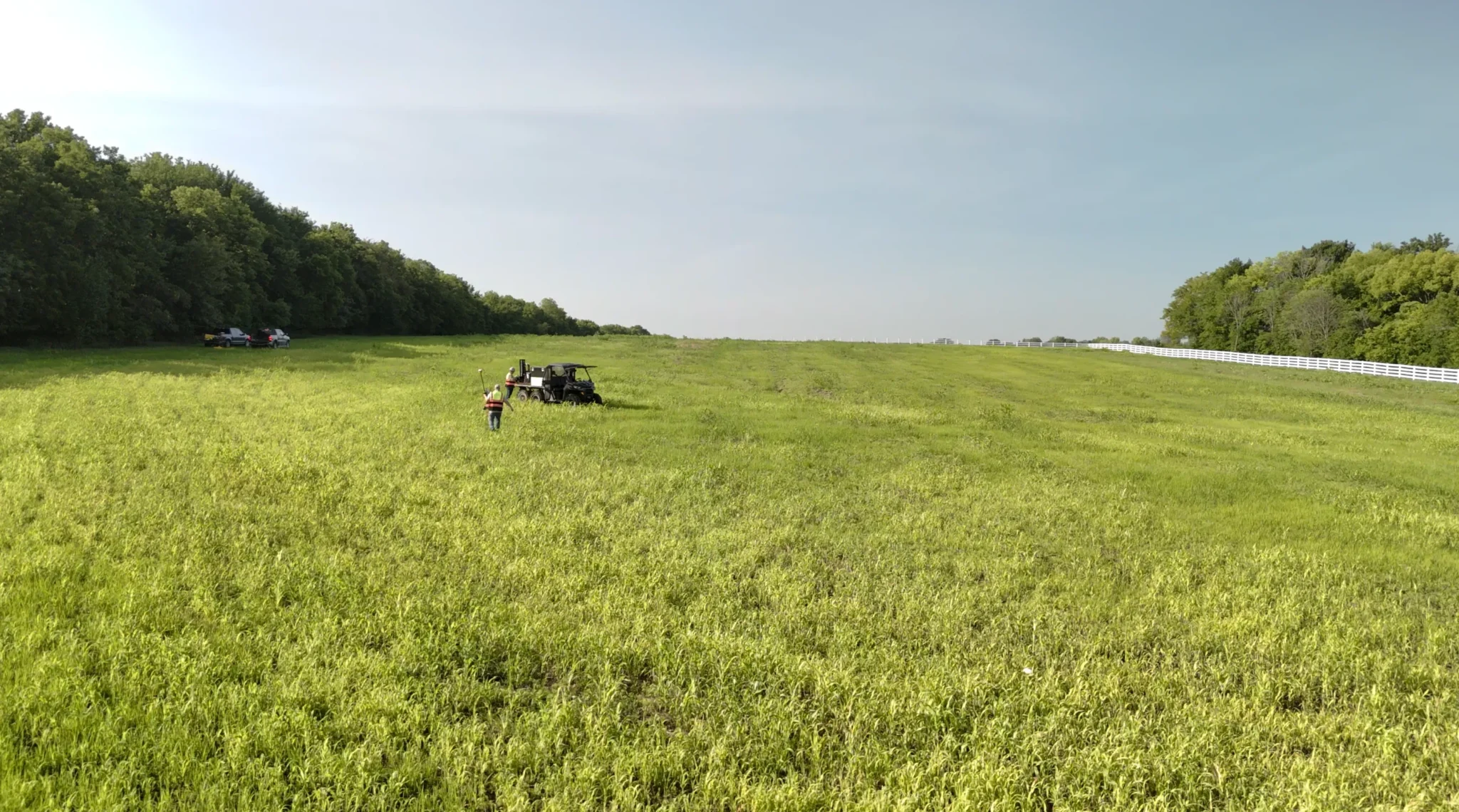
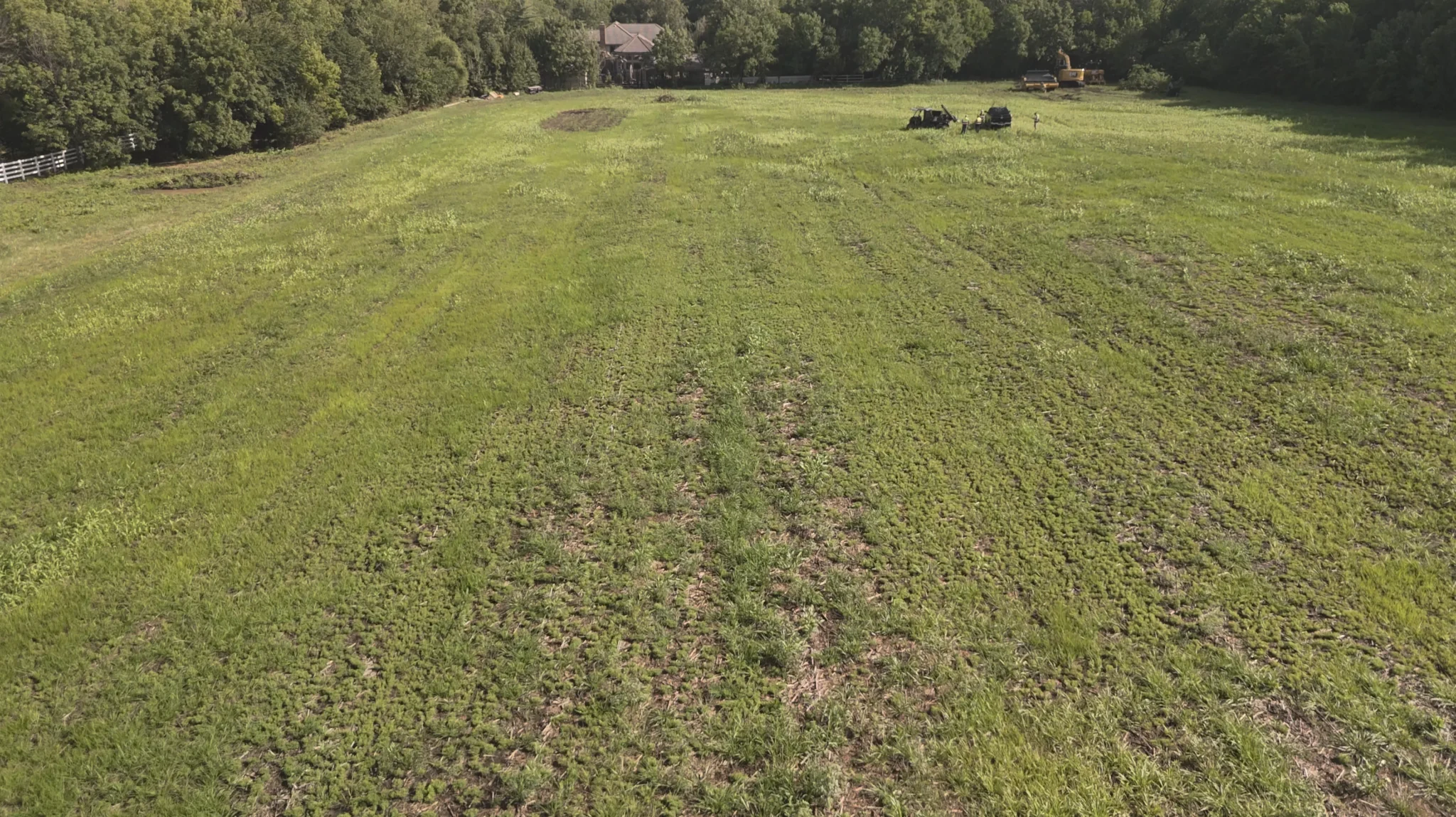
Jim’s Lee’s Summit home already felt like a resort, with a pool and backyard that brought him straight back to the island beaches he loves to visit. He’s a natural host who finds real joy in bringing people together, crafting a great drink and turning an ordinary evening into a celebration everyone remembers. Past the backyard, though, a back pasture sat empty. Jim saw more in it: a destination of its own, built for entertaining friends, family, colleagues and clients.
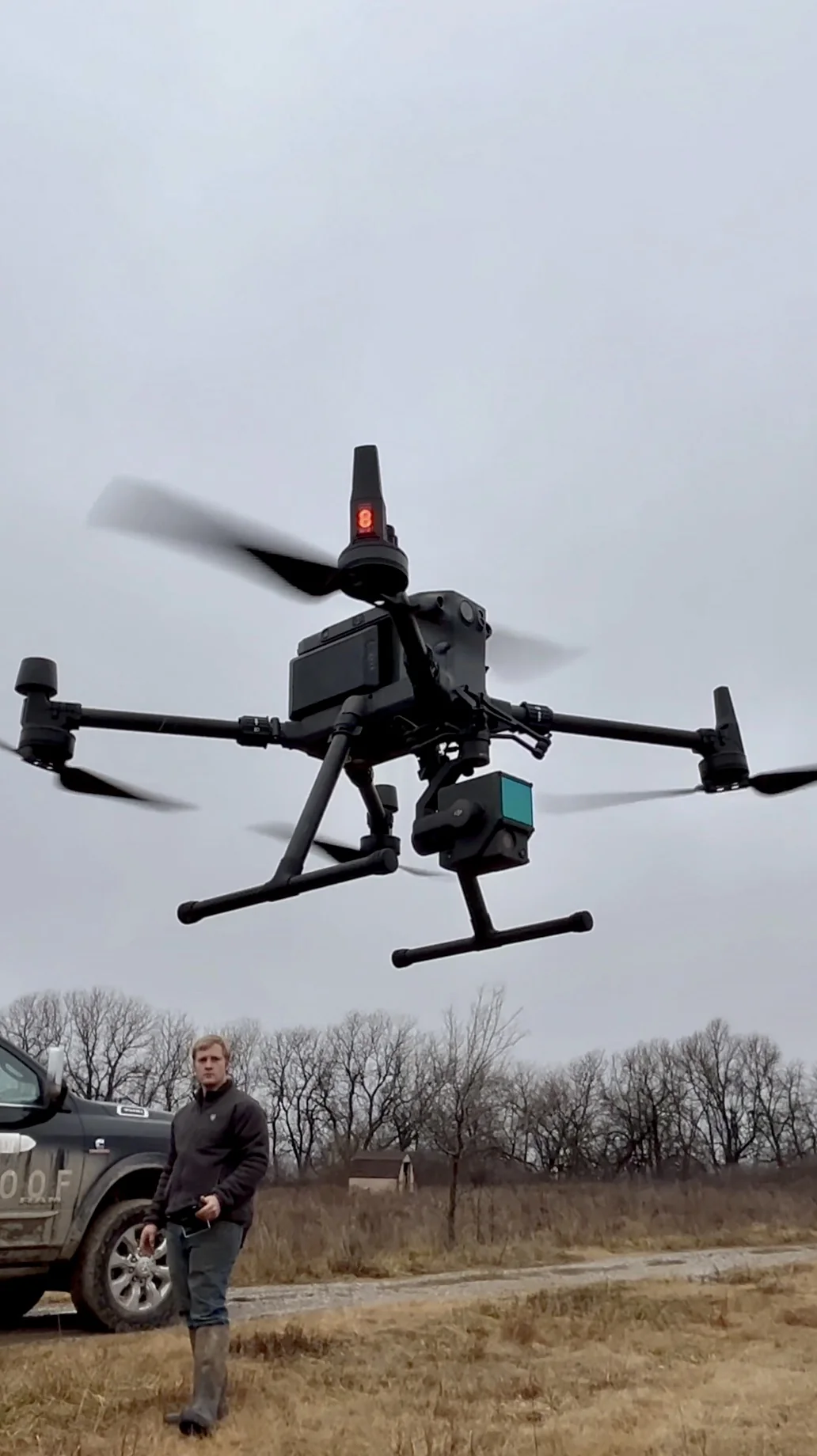
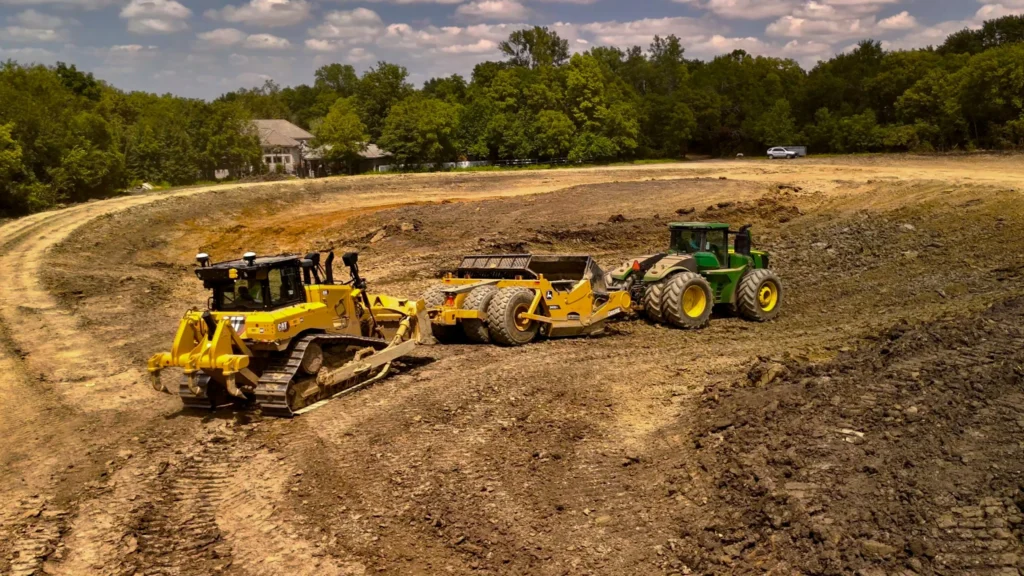
He wanted a true pond and lake specialist, not a company with “ponds” tacked onto a long list of services, and a team that builds waterfronts full time and stands behind its name long after the equipment leaves. That difference showed up before the first scoop of dirt. Our testing found rock below the surface while it was still a decision on paper, and our design turned a nearly $280,000 haul-off into under $20,000 and more watershed for the pond. That planning carried straight into construction, with specialized, GPS-guided equipment building exactly what was designed.
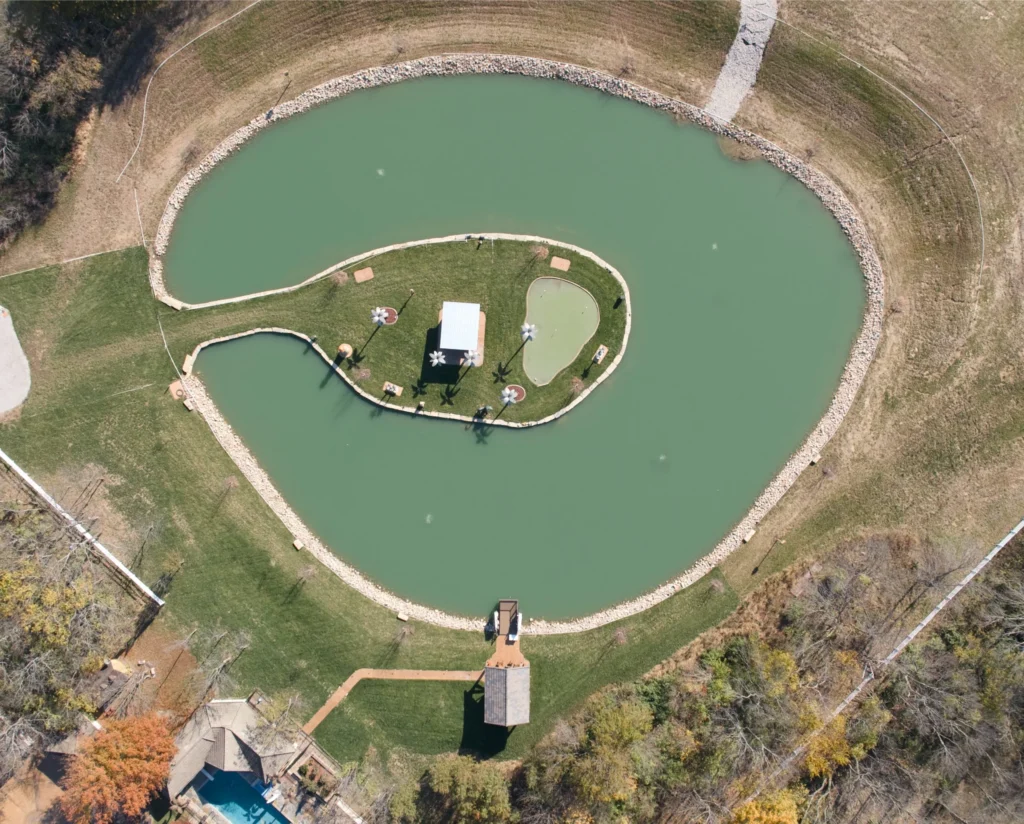
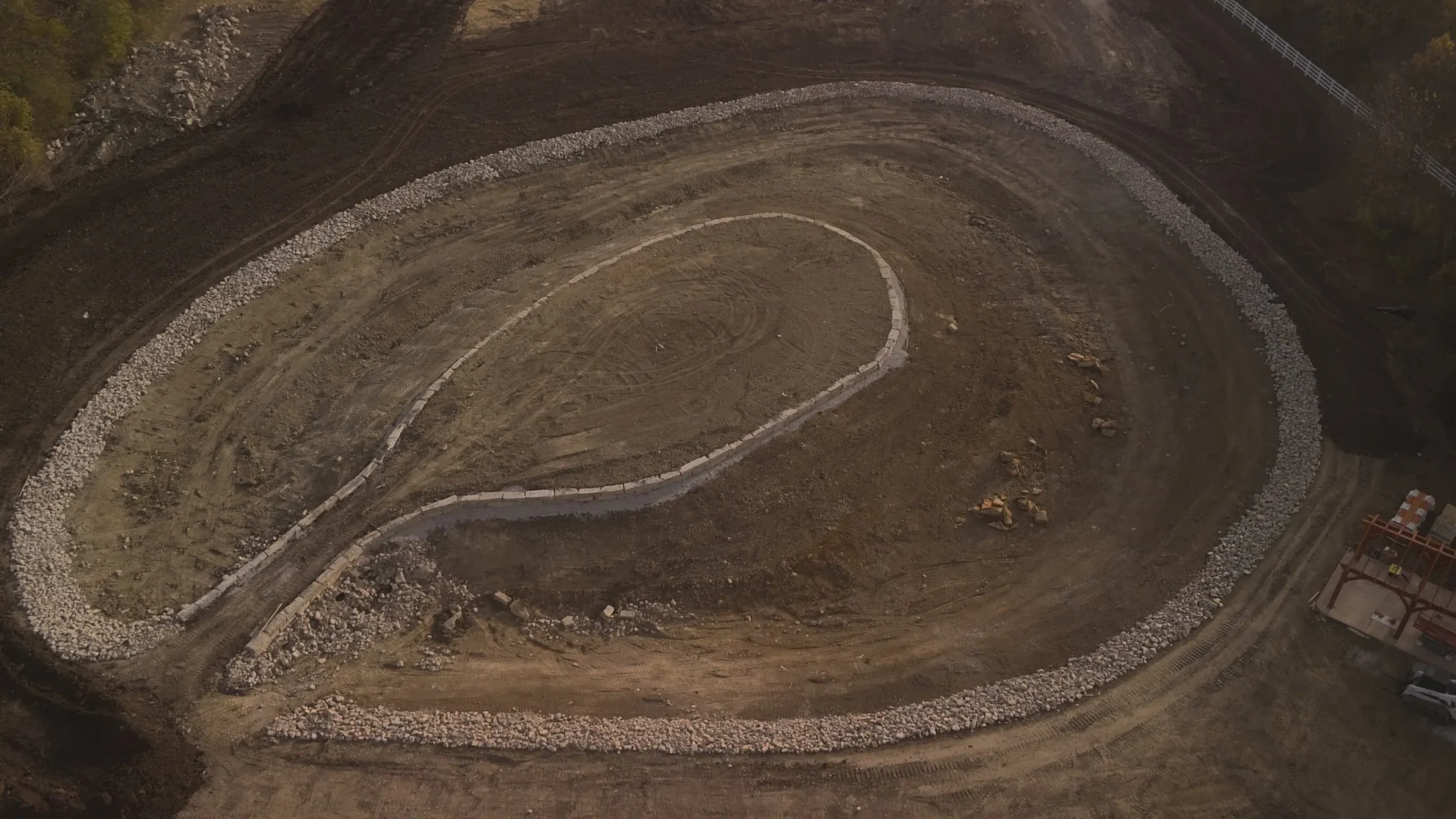
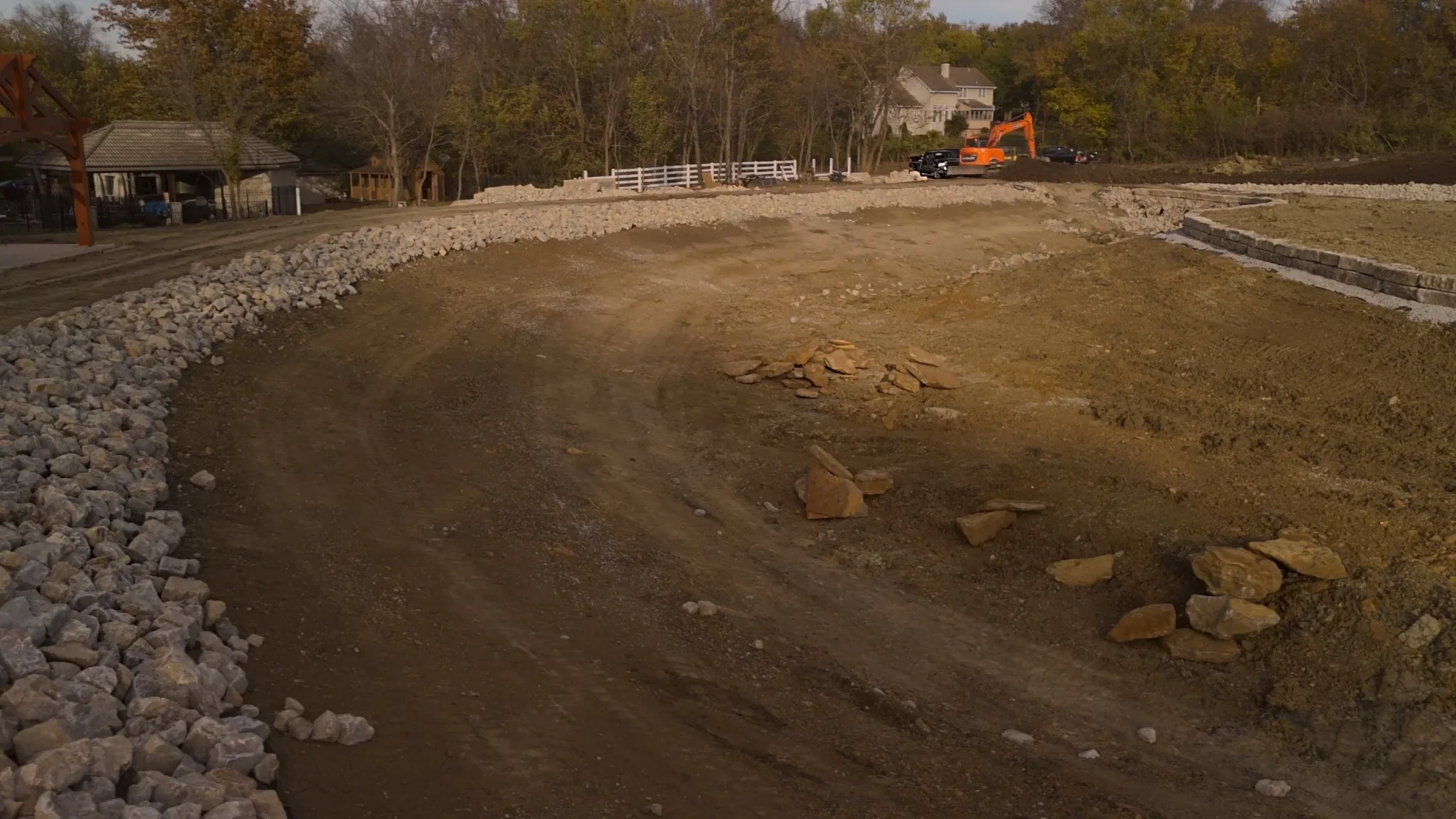
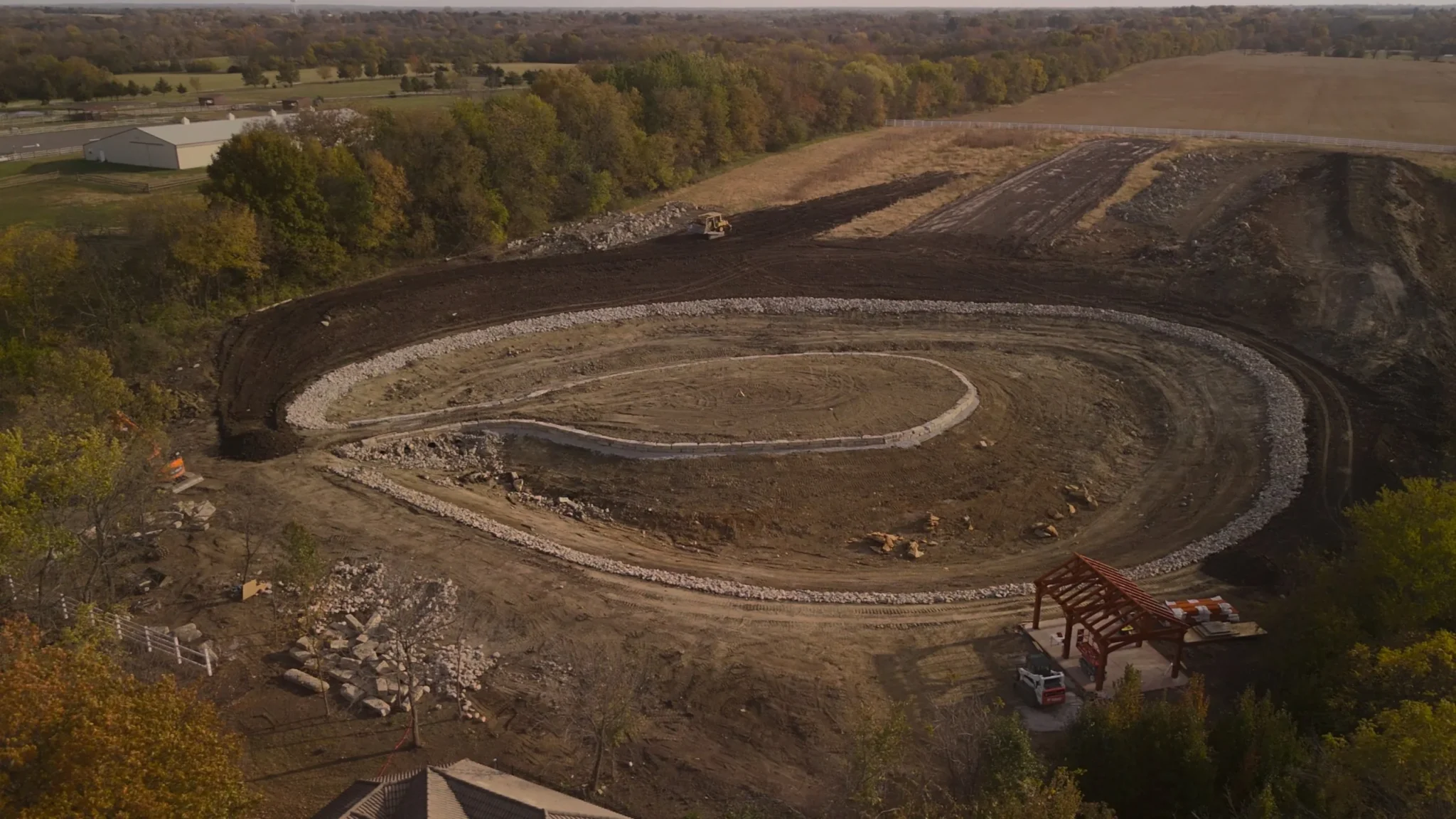
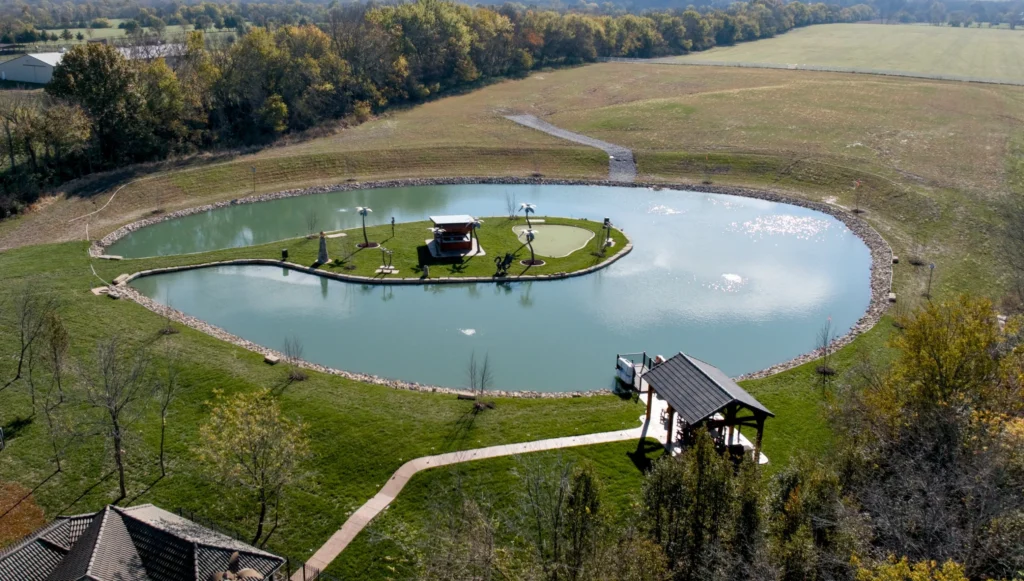
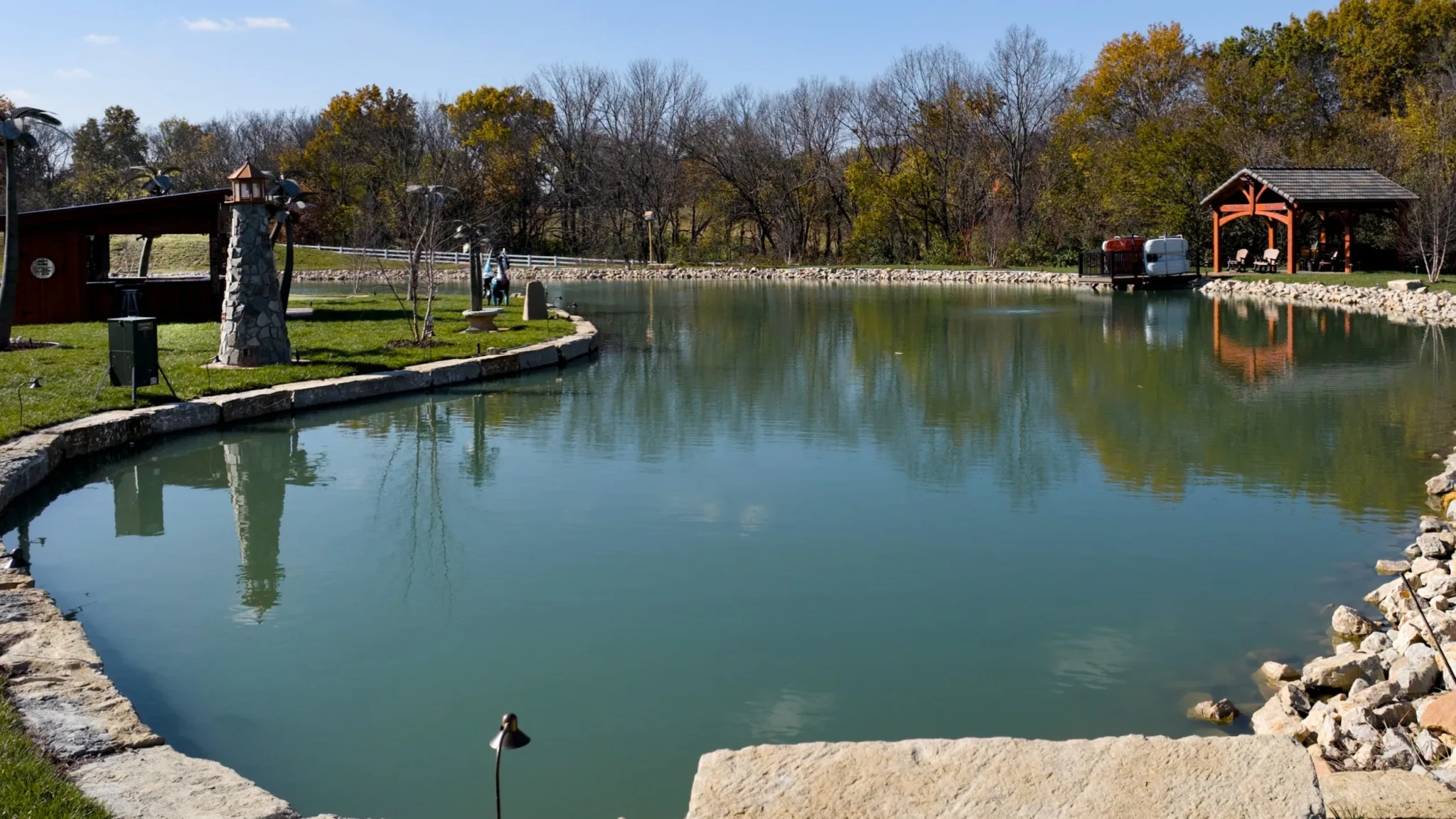
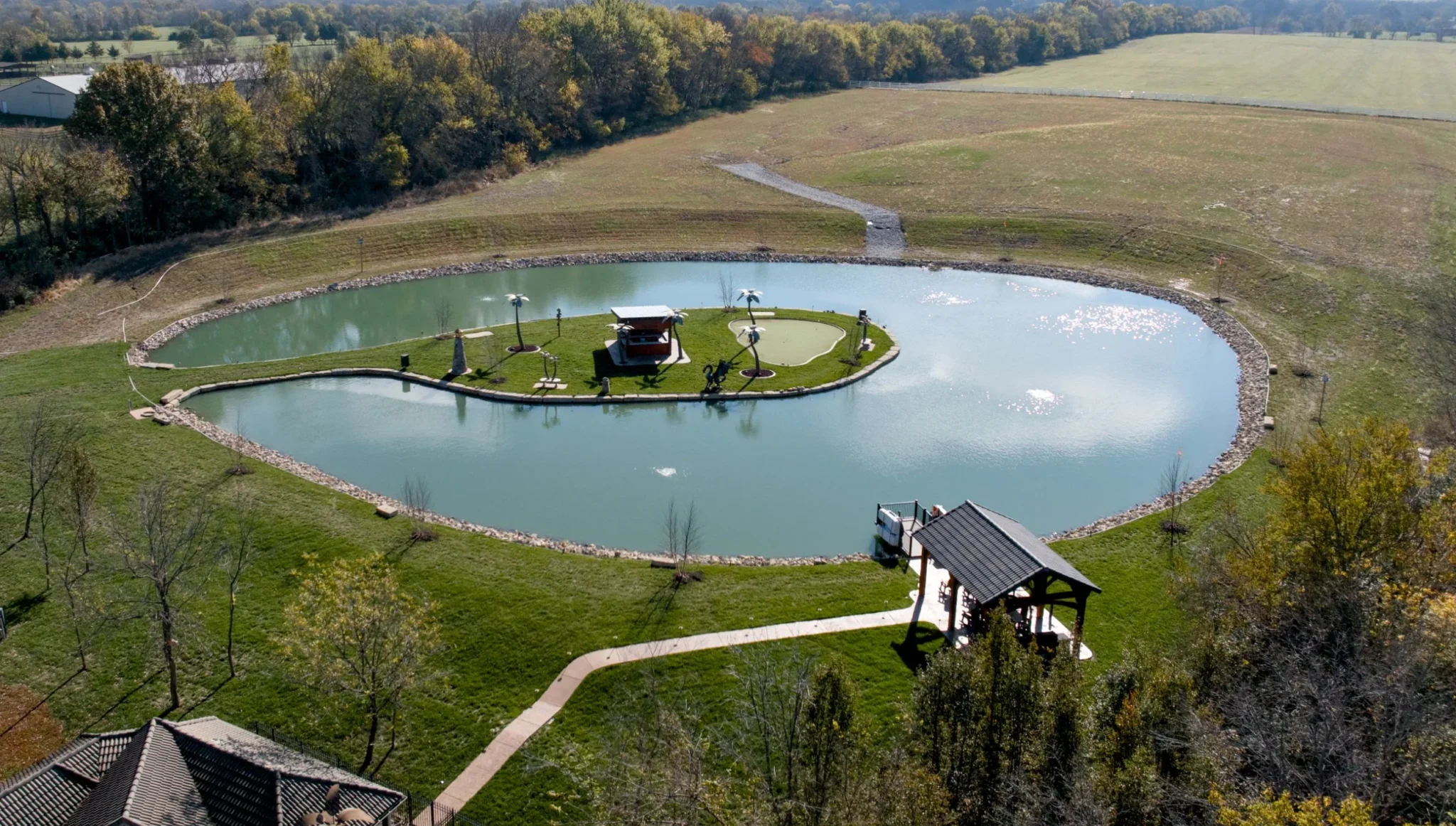
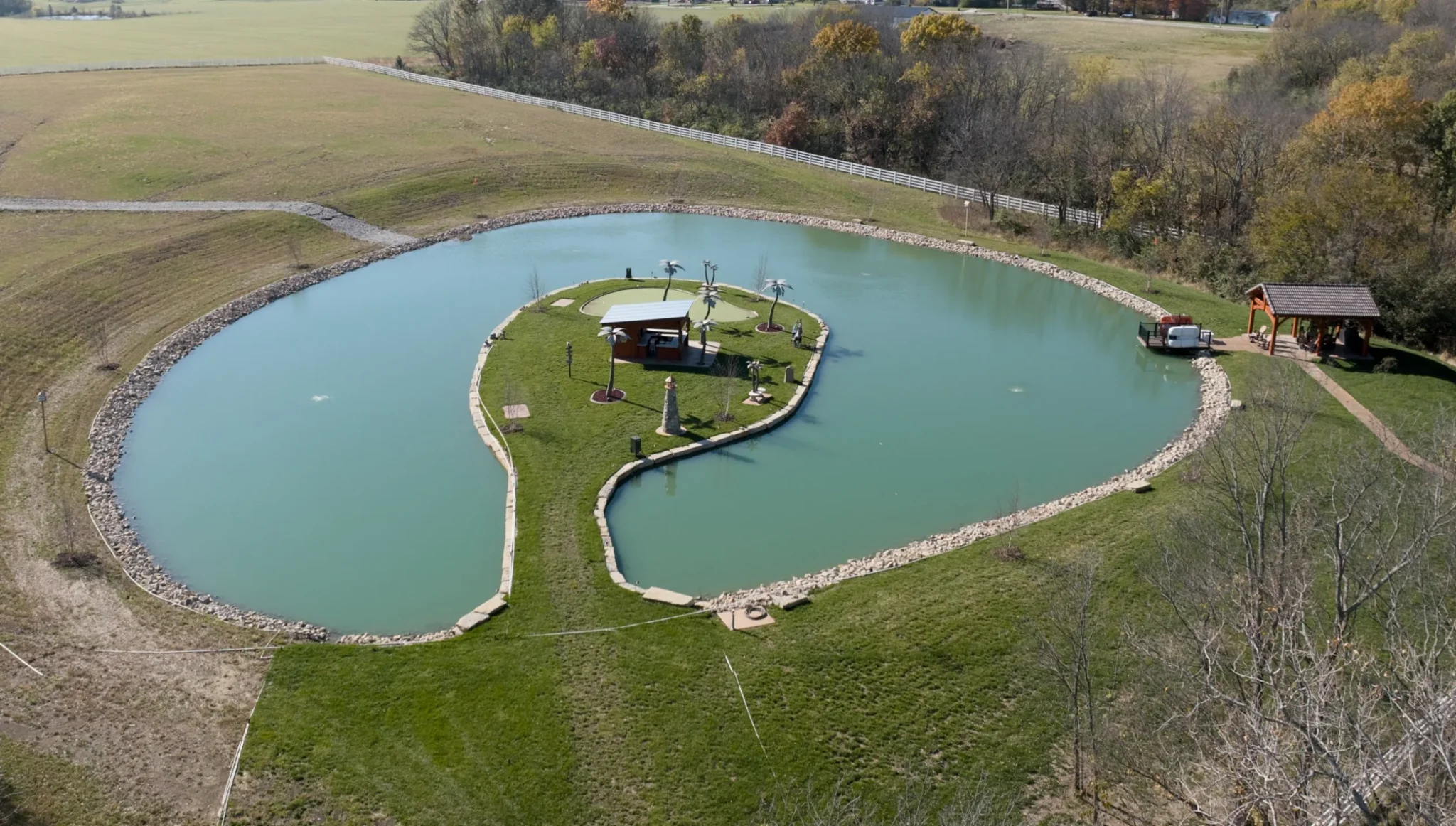
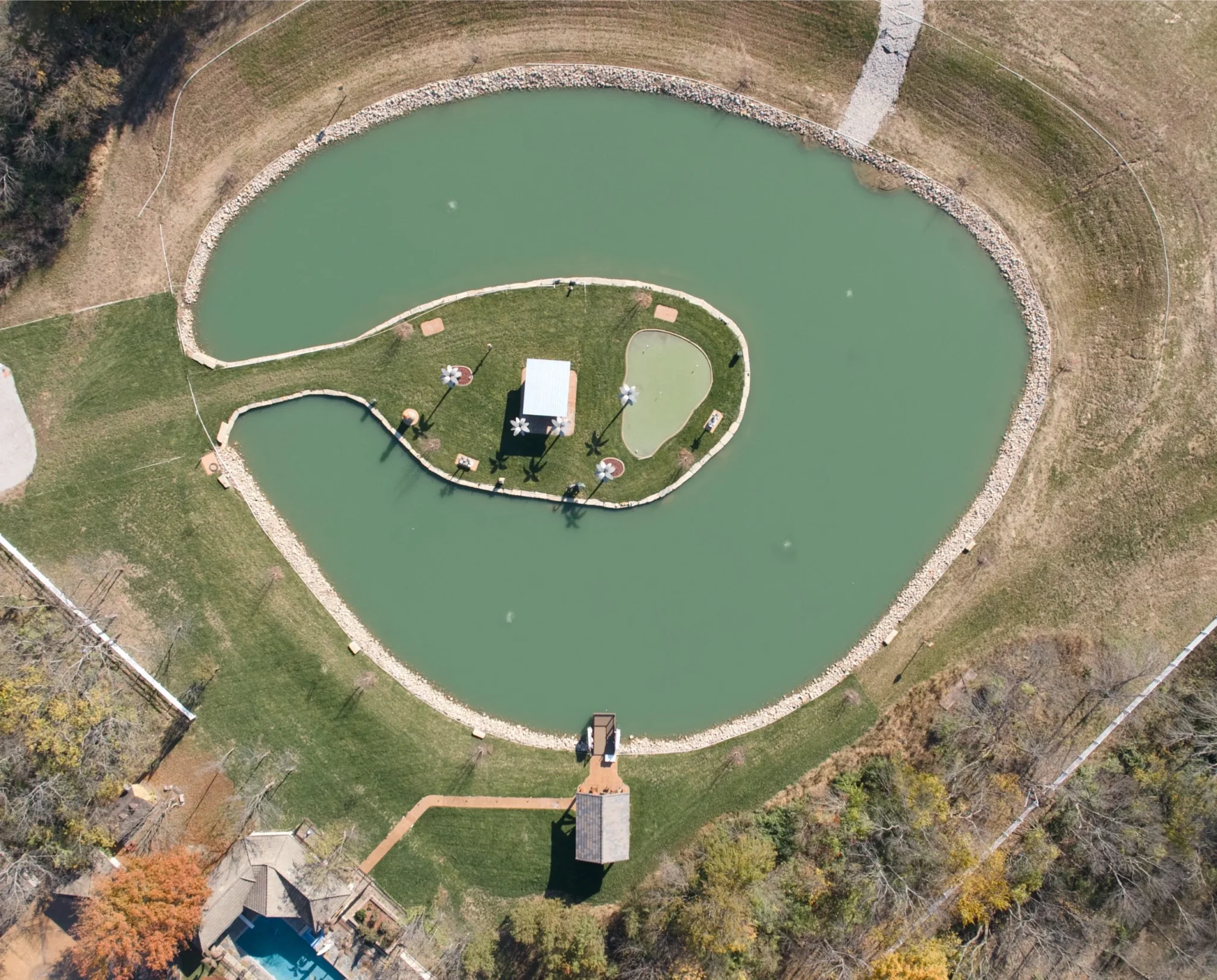
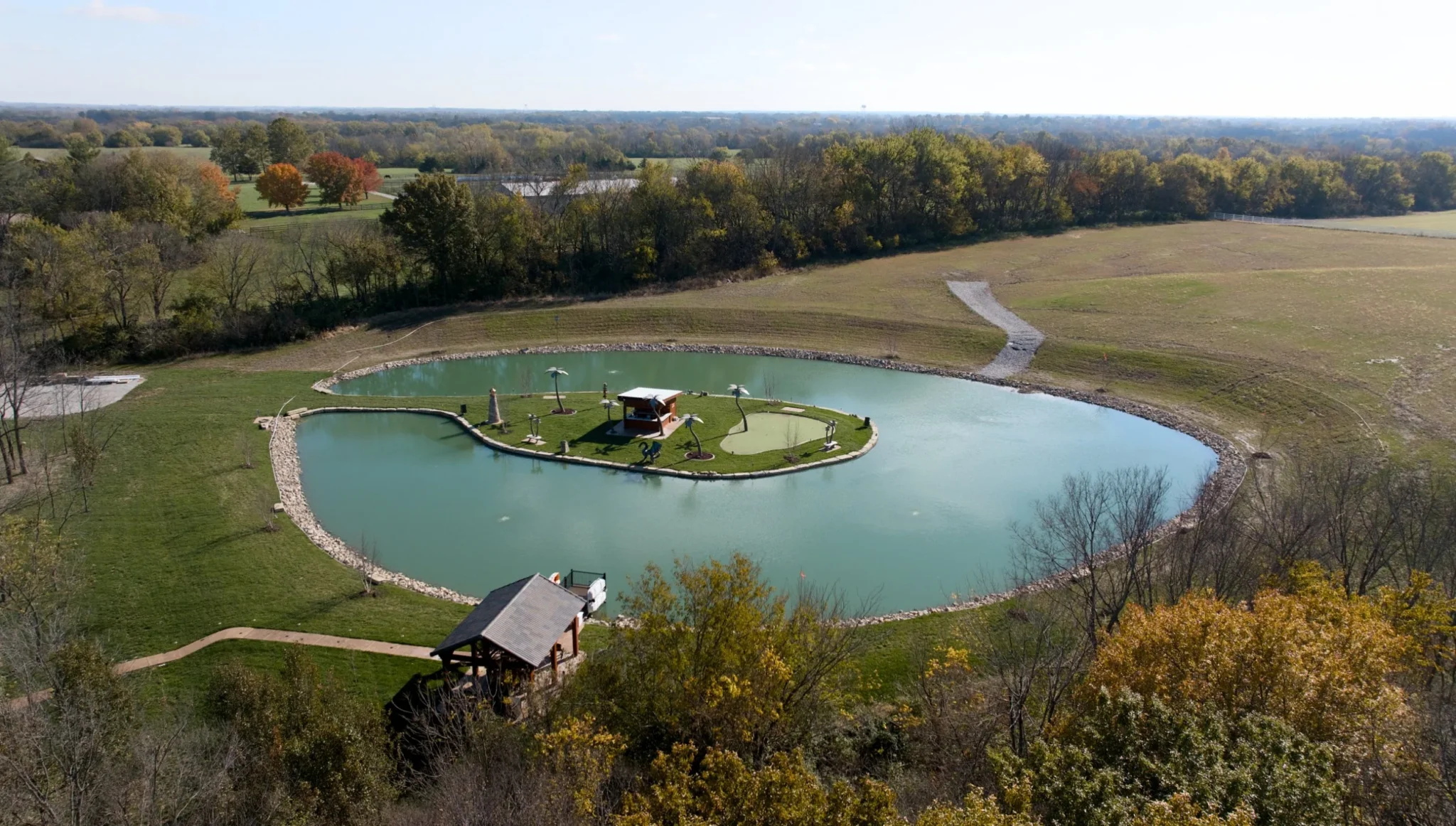
This was never just dirtwork. Jim got the depth he wanted, a peninsula edged in large, upscale limestone blocks, riprap along the shoreline and room to keep adding incredible features, all with few hard tradeoffs. The result is a resort-style island retreat you’d expect on a coastline, not in the Great Plains of Kansas and Missouri.
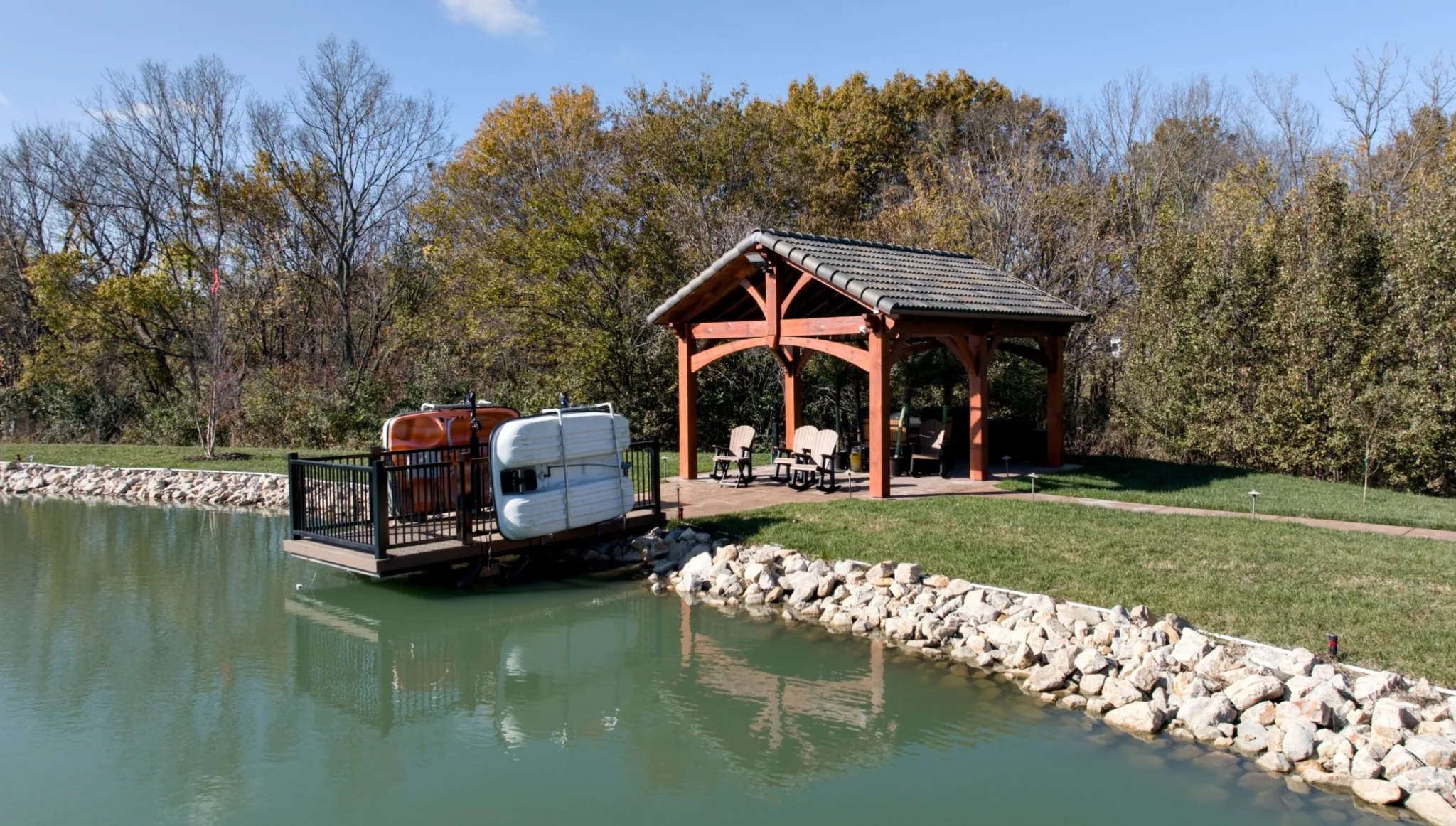
Jim sourced special timber and logs from out of state for the pergola, set on a concrete pad by the dock with a concrete walkway leading straight back to the house. Heading out to the water feels like going somewhere, with no wet shoes from the morning dew.
Paddle boats and chairs wait at the dock, ready to stay put or travel to any spot around the pond when friends, family, colleagues or clients come over.
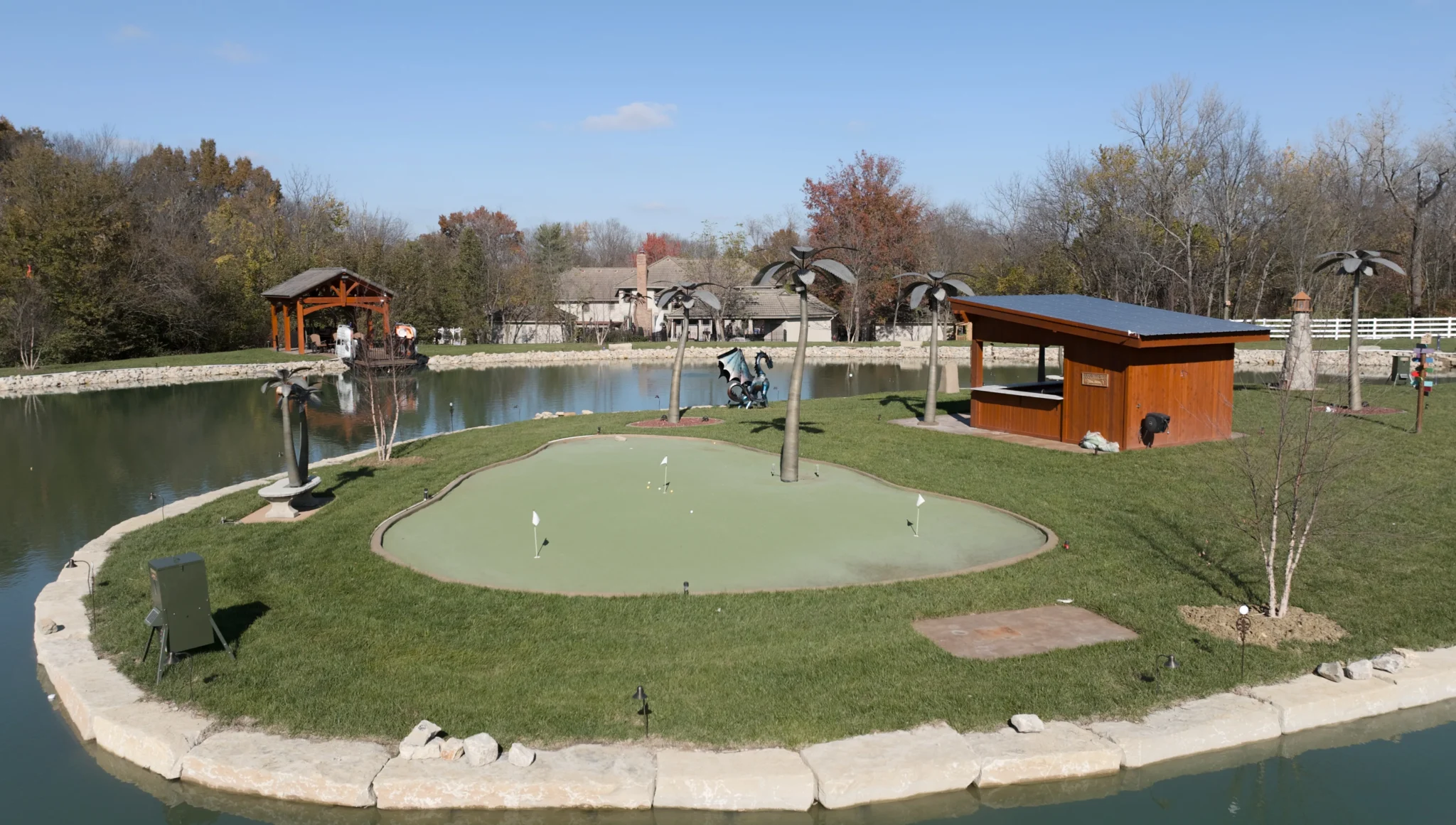
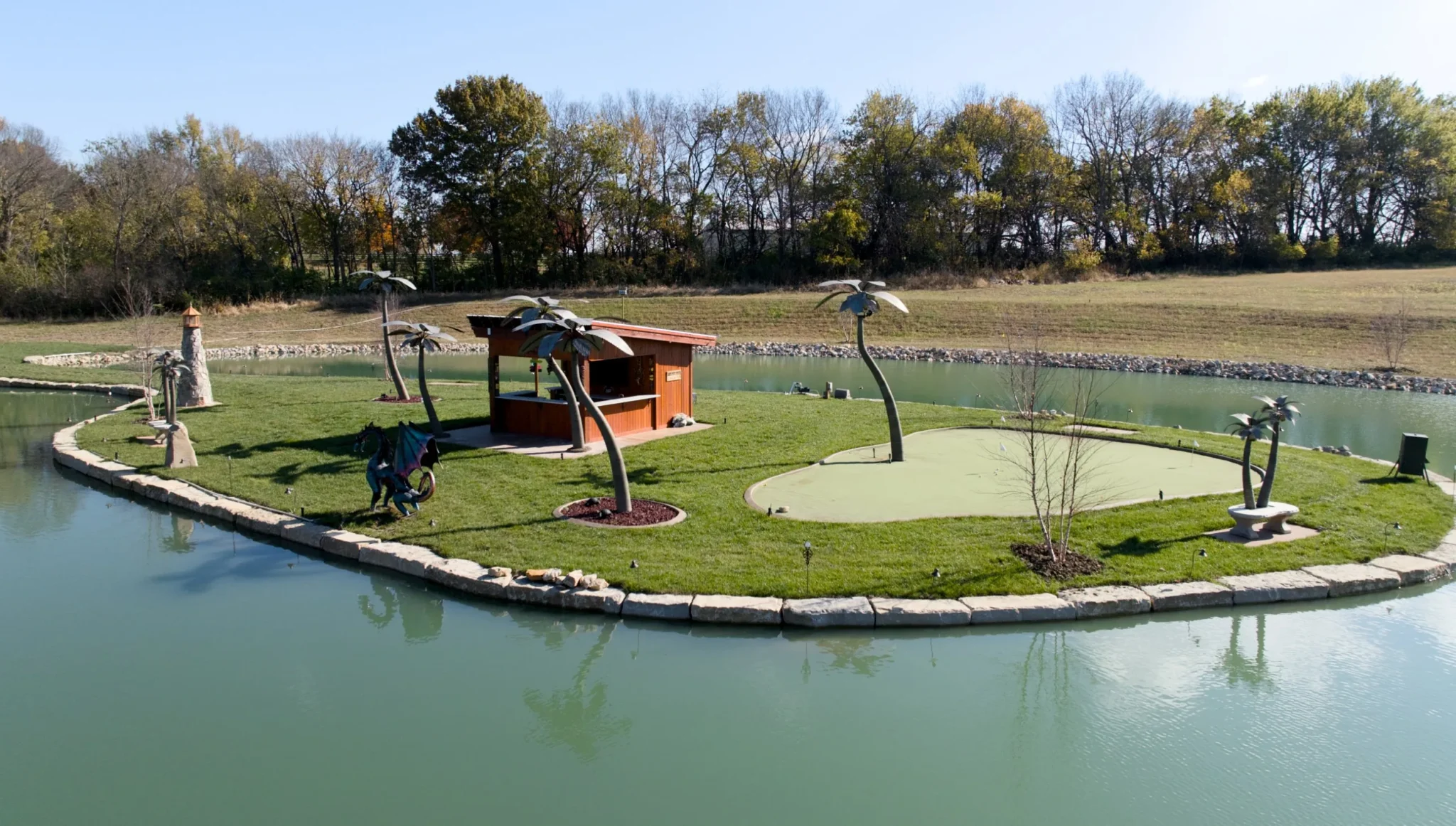
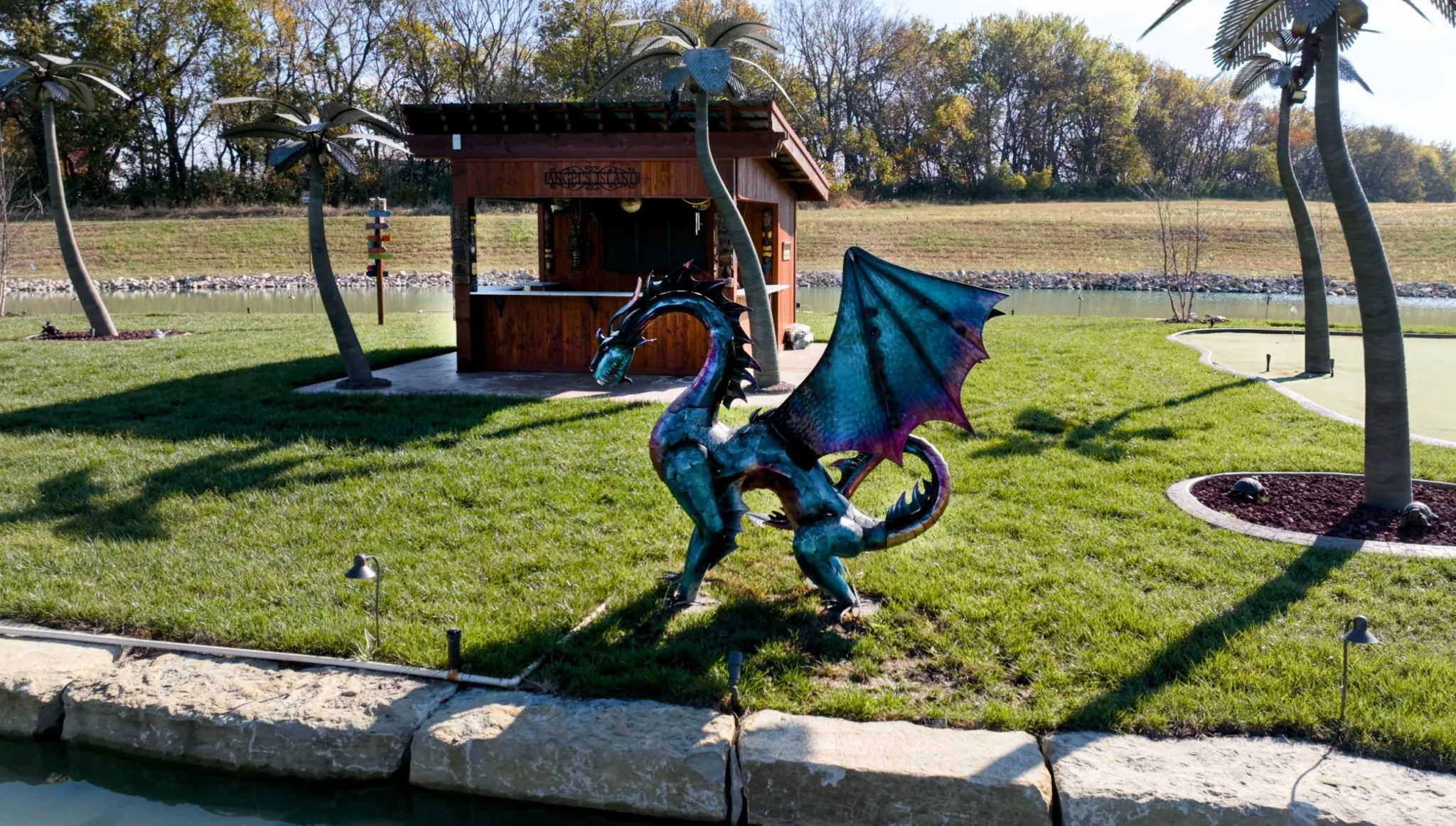
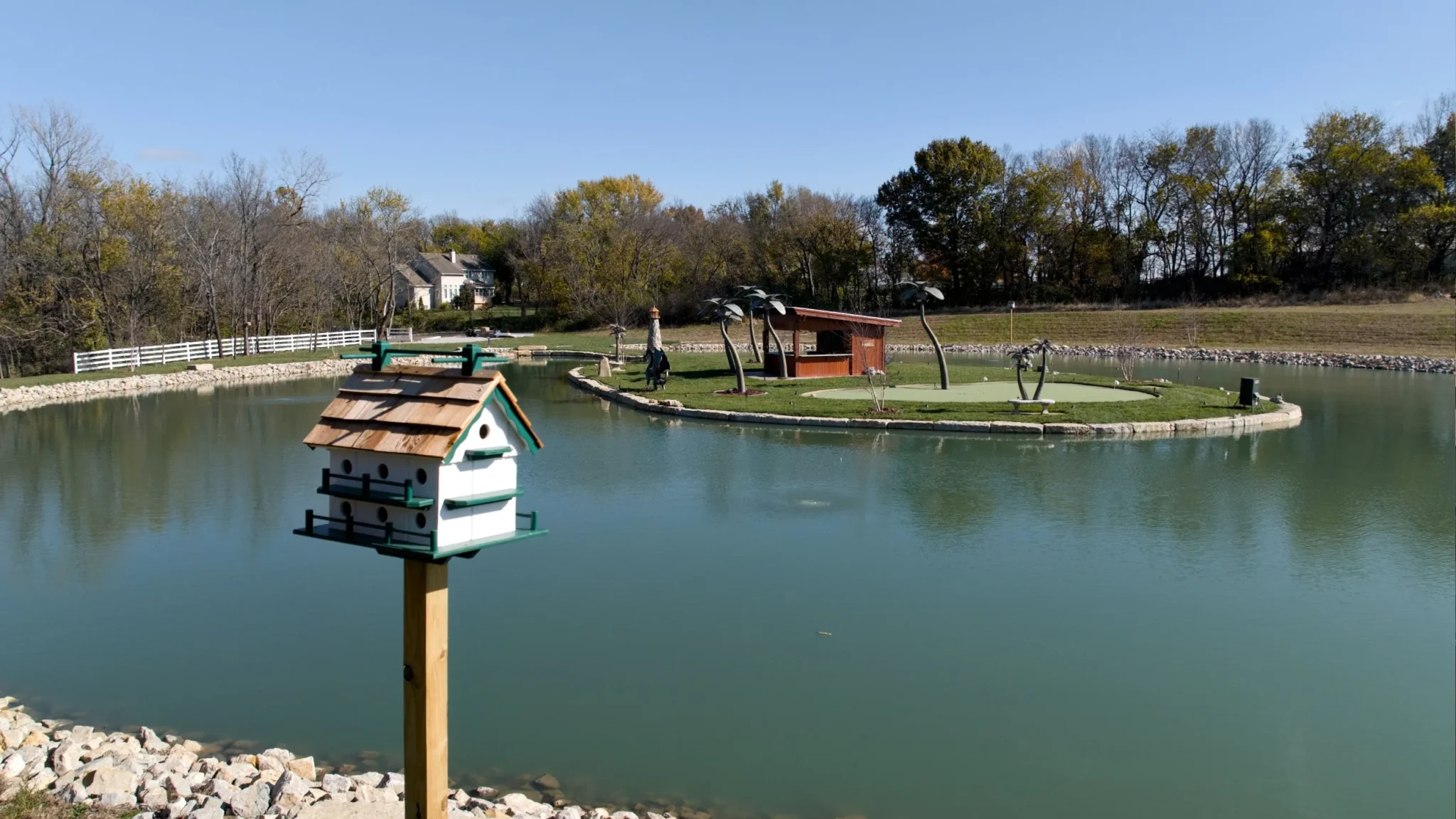
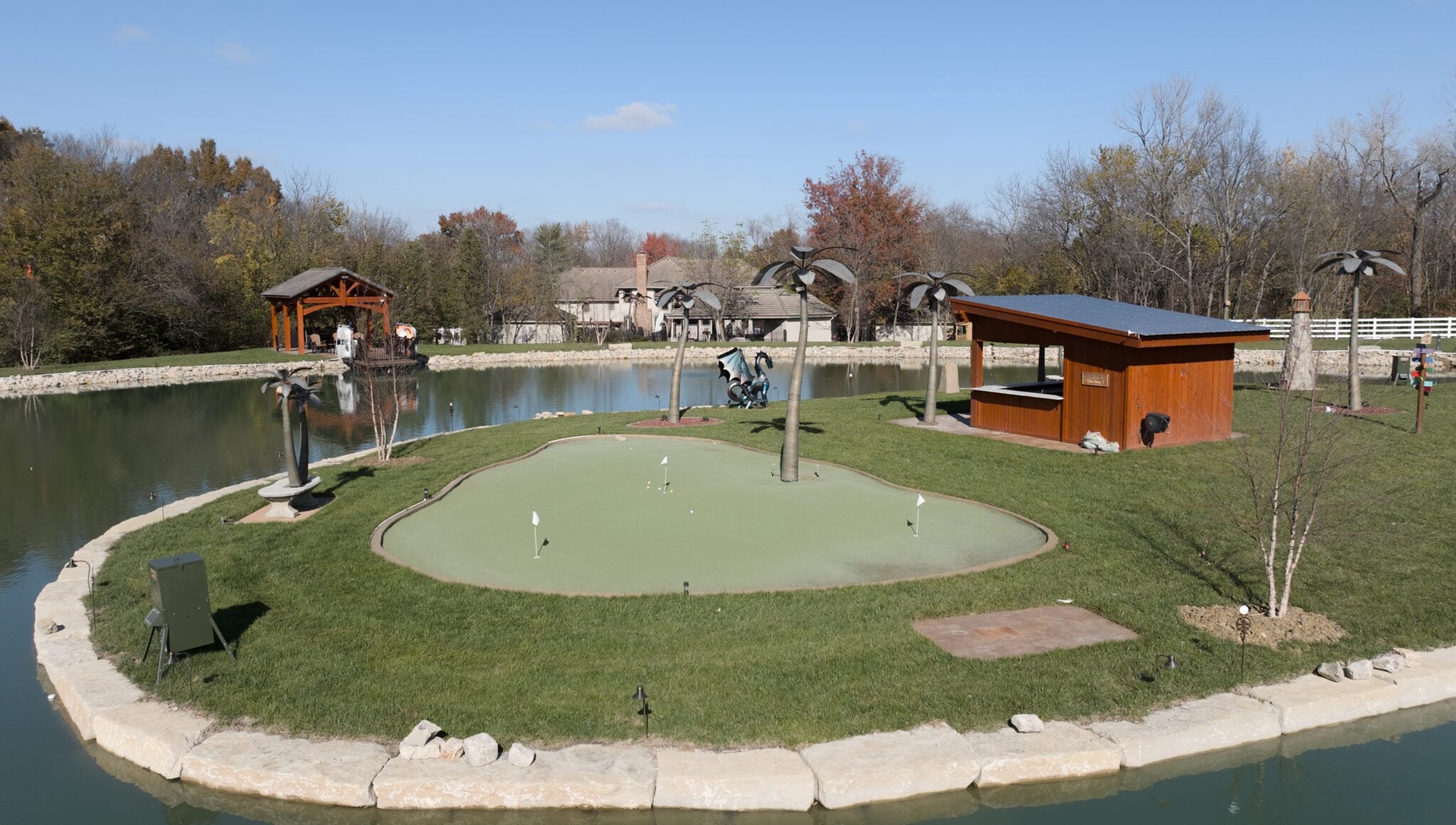
Out on the peninsula, a tiki bar made for crafting drinks, palm tree sculptures, a private putting green, larger-than-life sculptures, new trees and landscaping create the island Jim pictured, with nearly every corner of the pond within easy casting distance.

Lighting on the peninsula and around the pond keeps it going after sunset, so it's as much a part of a summer night or a winter evening as a Saturday afternoon.
Sod, irrigation around the entire pond and trees planted along the graded walkway made it look finished from day one. An aeration system keeps the water moving, pond dye gives it that clear blue-green, island-style color while helping limit unwanted vegetation, and automatic fish feeders keep the fishery thriving with almost no effort. We highly recommend feeders for any owner who wants to spend less time managing their pond and more time enjoying it.
The pergola, dock, walkway, lighting, aeration, pond dye, fish feeders, irrigation, sod, trees, landscaping, tiki bar, putting green and sculptures are Jim's own touches, some added himself and others brought to life by specialists he chose.
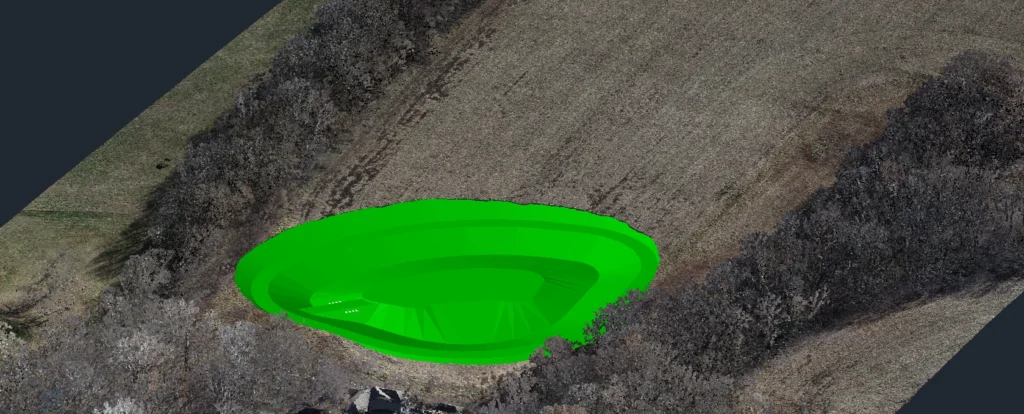
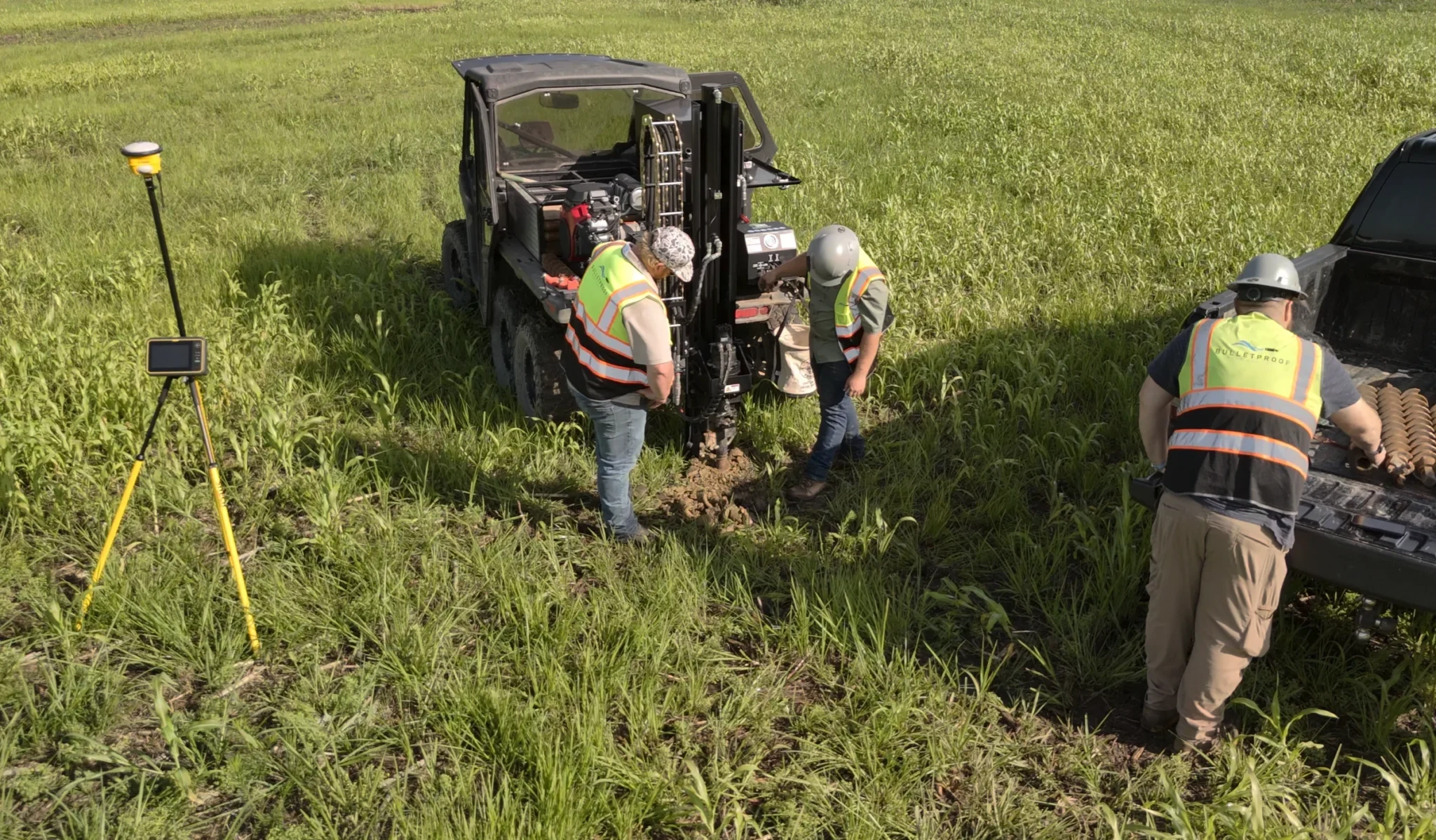
Before anything was designed, we ran LiDAR mapping, soil borings with lab testing at K-State, a watershed analysis, and historical and regional research. The borings found significant rock below the surface. That kind of discovery can wreck a budget when it shows up mid-dig. Found on paper first, it became a decision instead of a surprise.
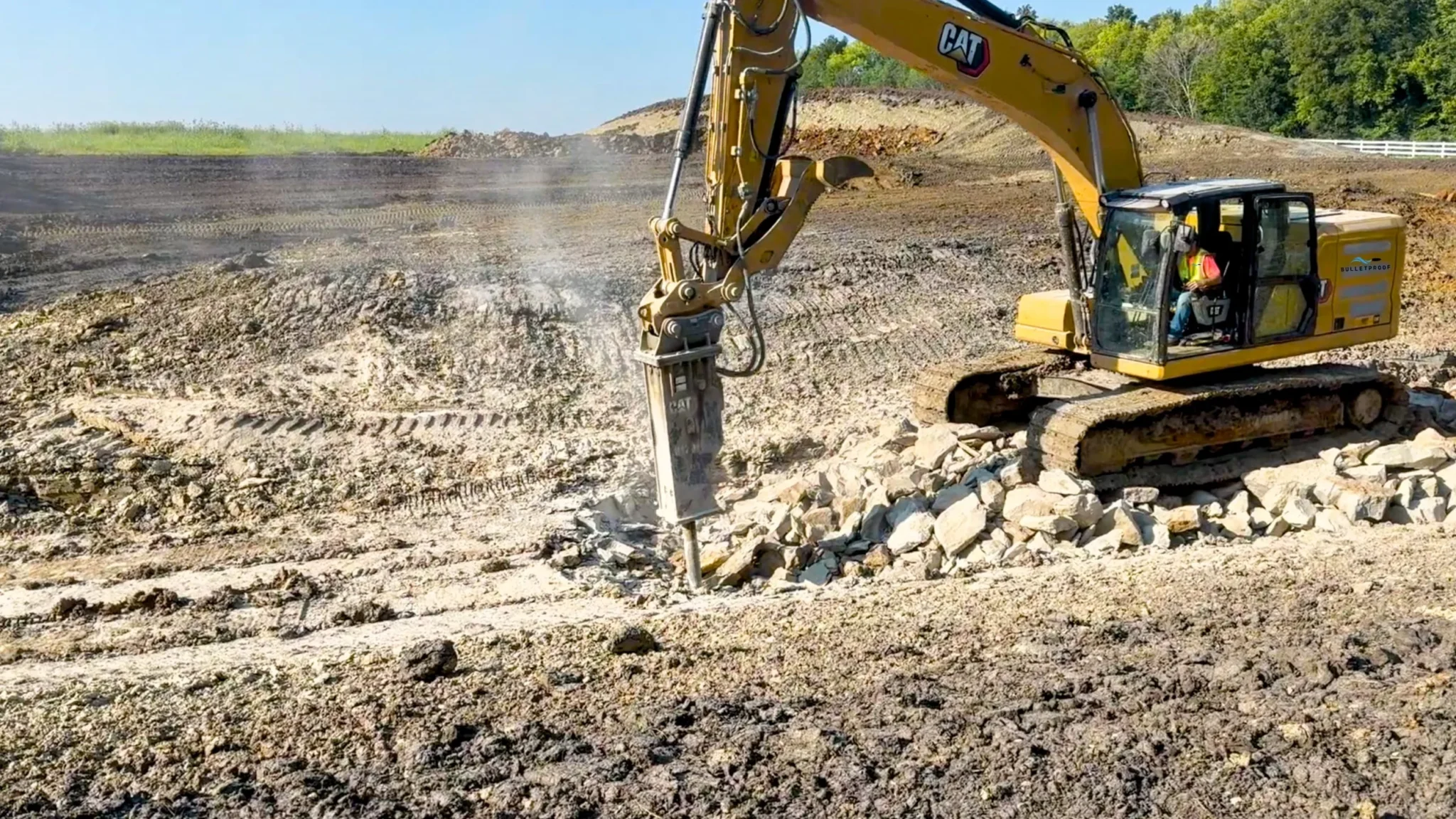
Jim had real options: break the rock, build shallower, or change the size and shape of the pond. Each one changed what the pond would cost and what it would become. He chose rock breaking to keep the depth and the round shape he’d pictured, knowing it would be a significant part of the investment, and set the waterfall aside as the tradeoff.
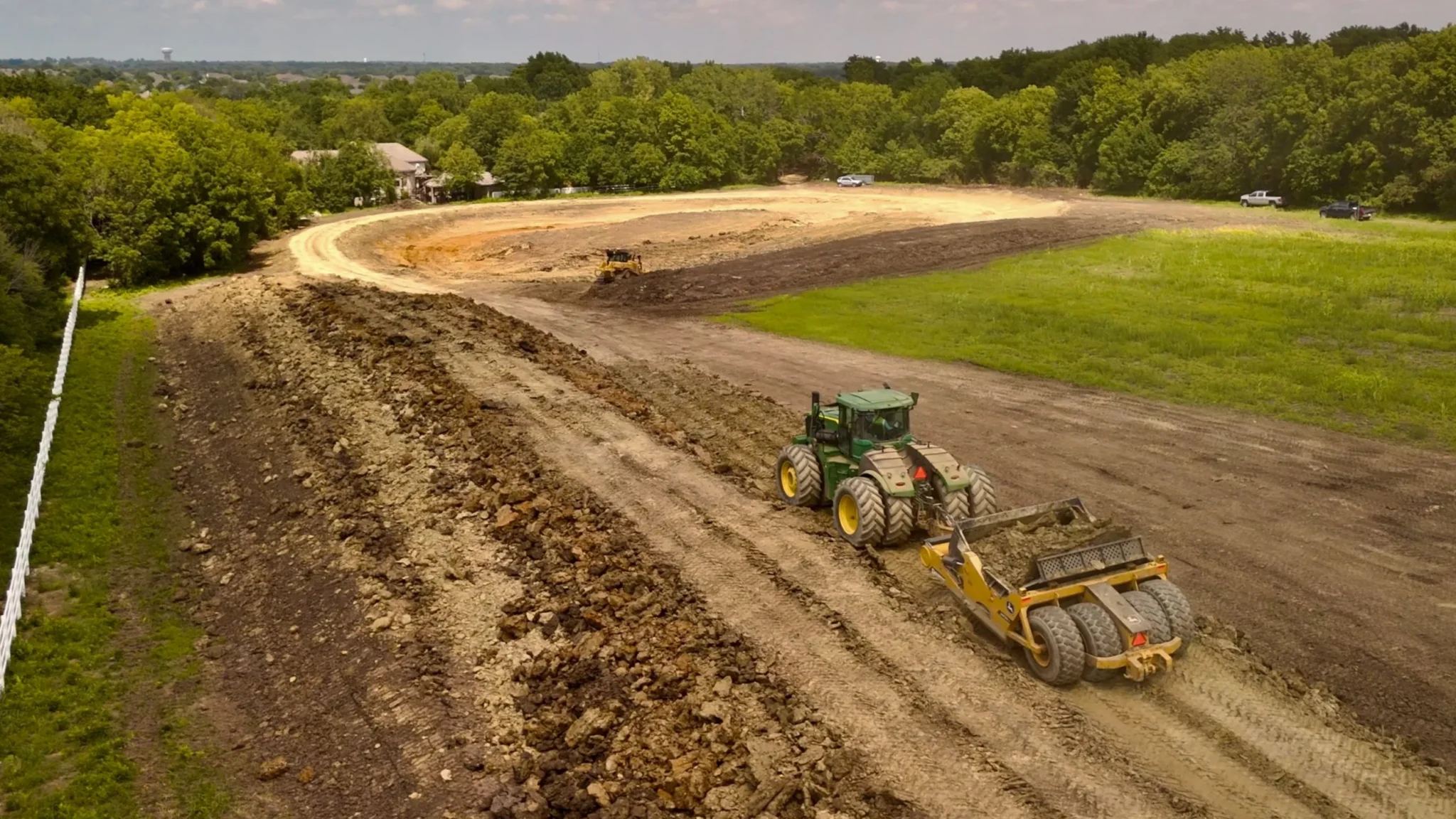
The second challenge was the dirt. An excavated pond this size produces a lot of material, and hauling it off was going to cost close to $280,000.
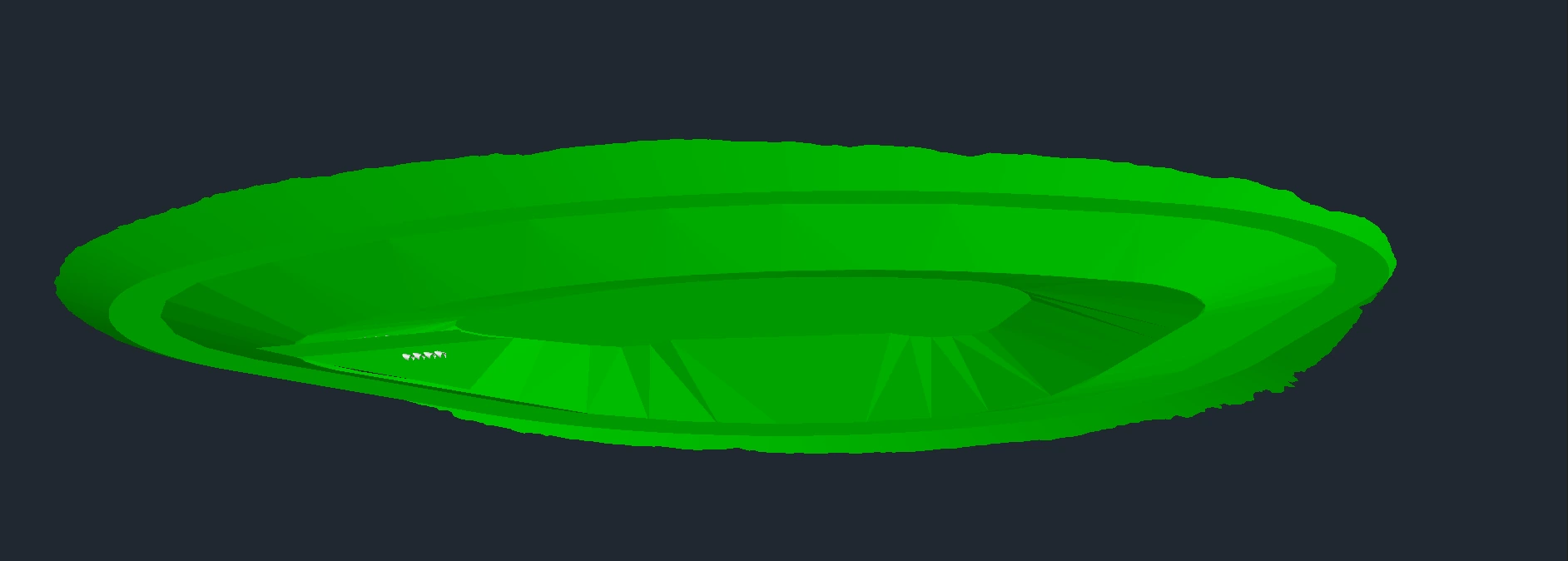
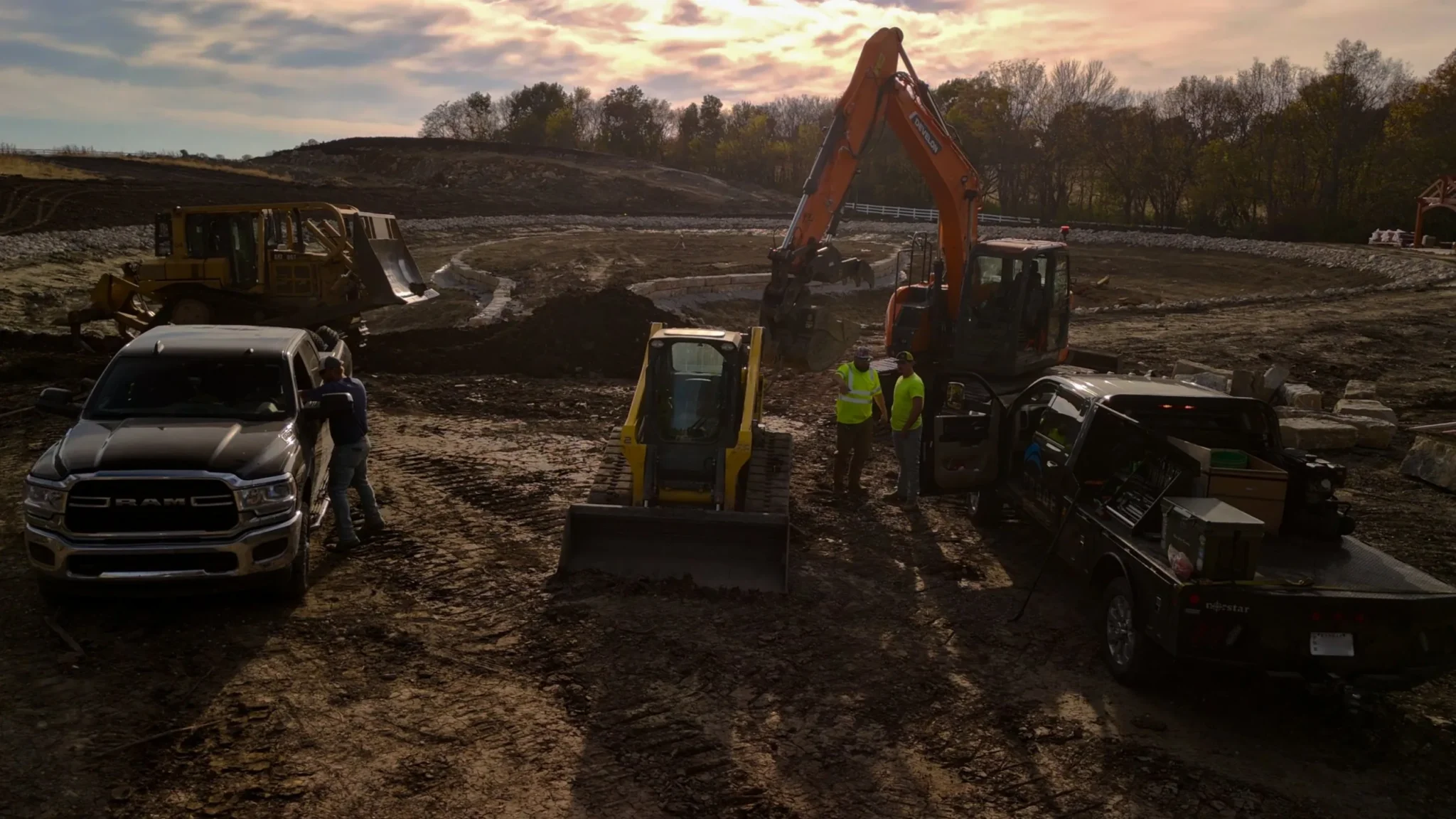
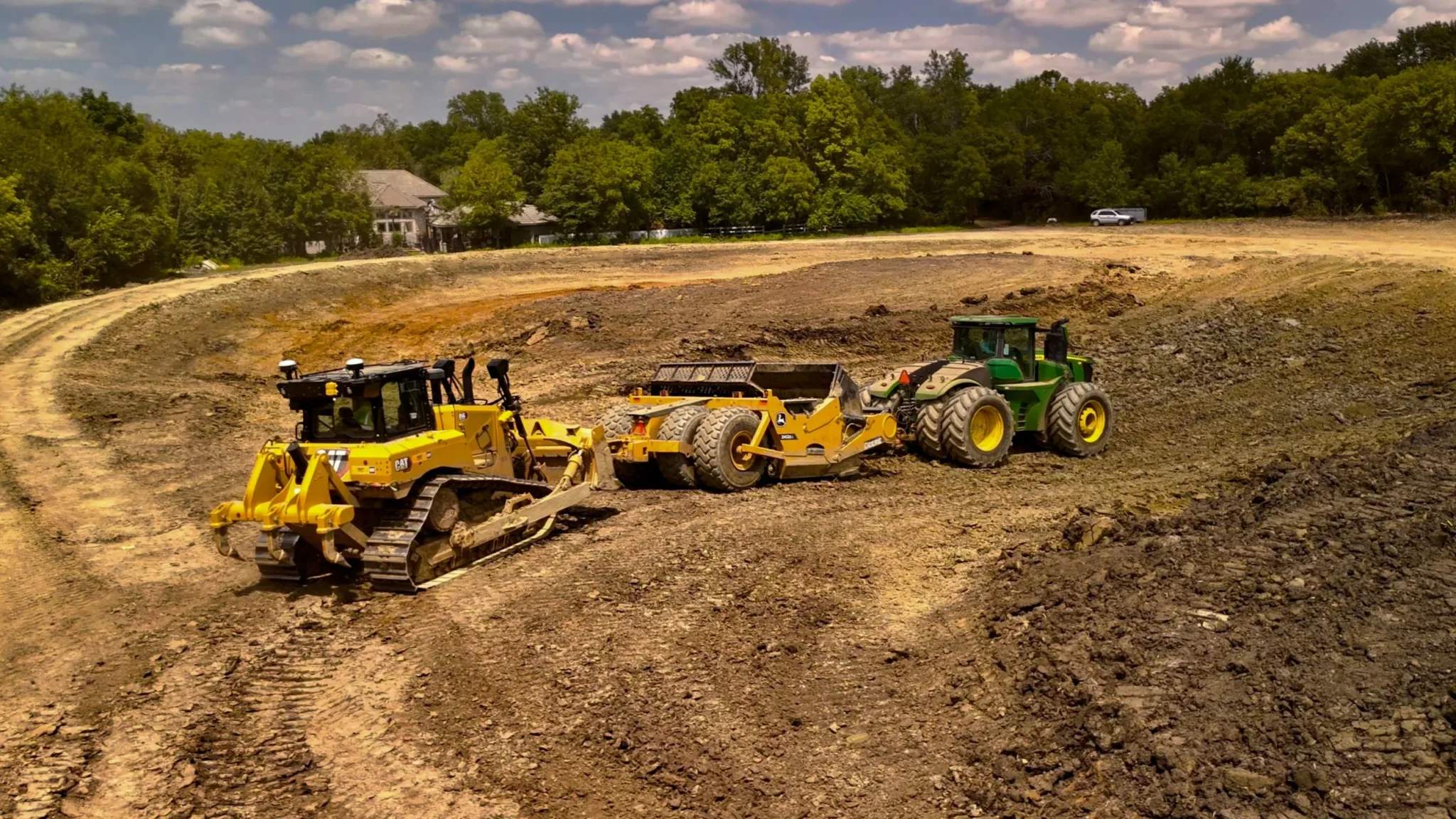
Every grade was designed in AutoCAD Civil 3D from the LiDAR data, and that model went straight into our GPS-equipped machines on-site.
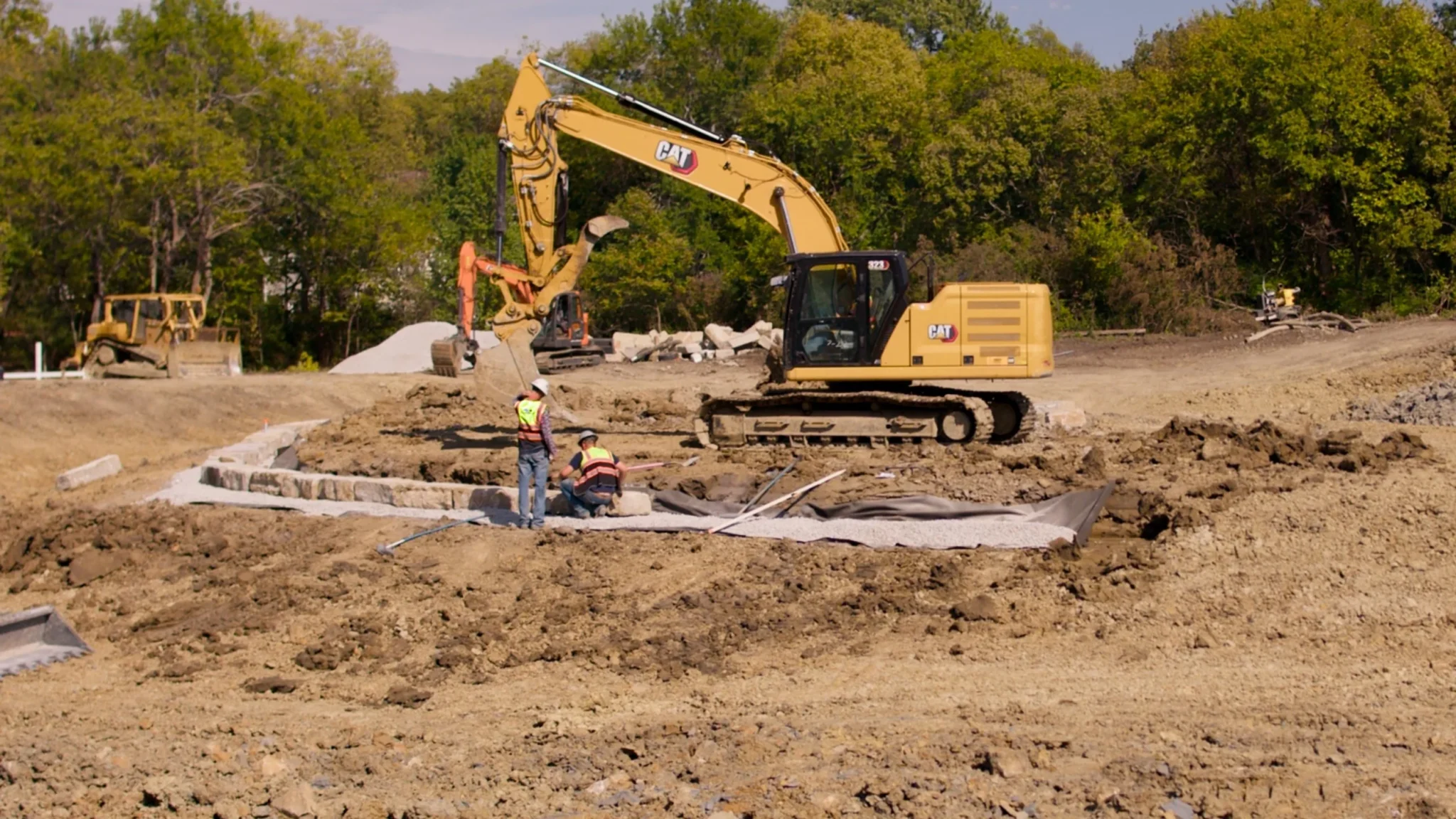
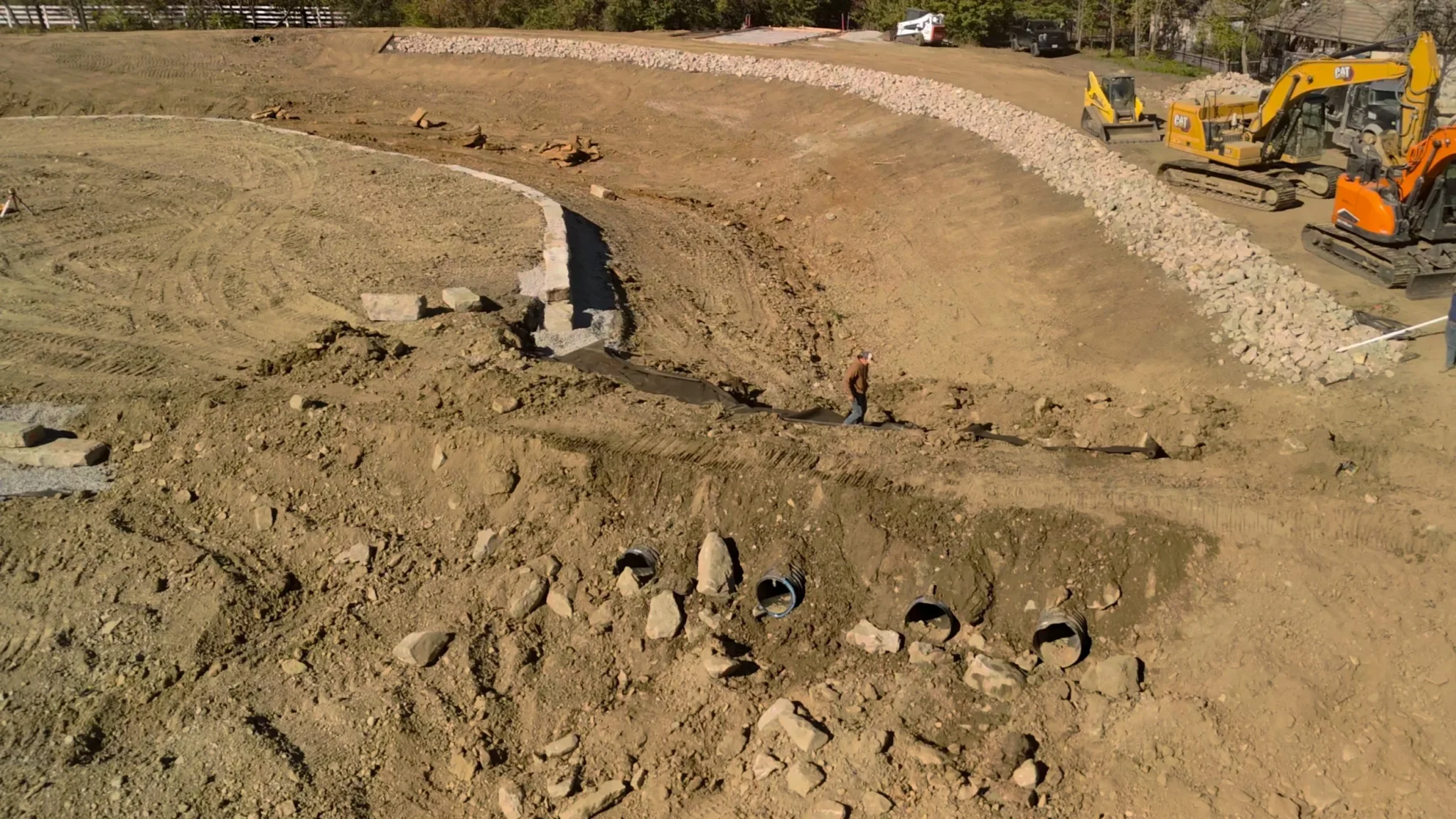
Most of this pond was excavated rather than built up behind a dam, and that’s what let the water come right up to a walkable edge. Instead of traditional steep side slopes, a 15-foot graded walkway circles the whole pond. It gives guests, anglers and maintenance easy access, it’s gentler on wildlife, and it leaves room for whatever Jim adds next. He’s already lined it with newly planted trees.
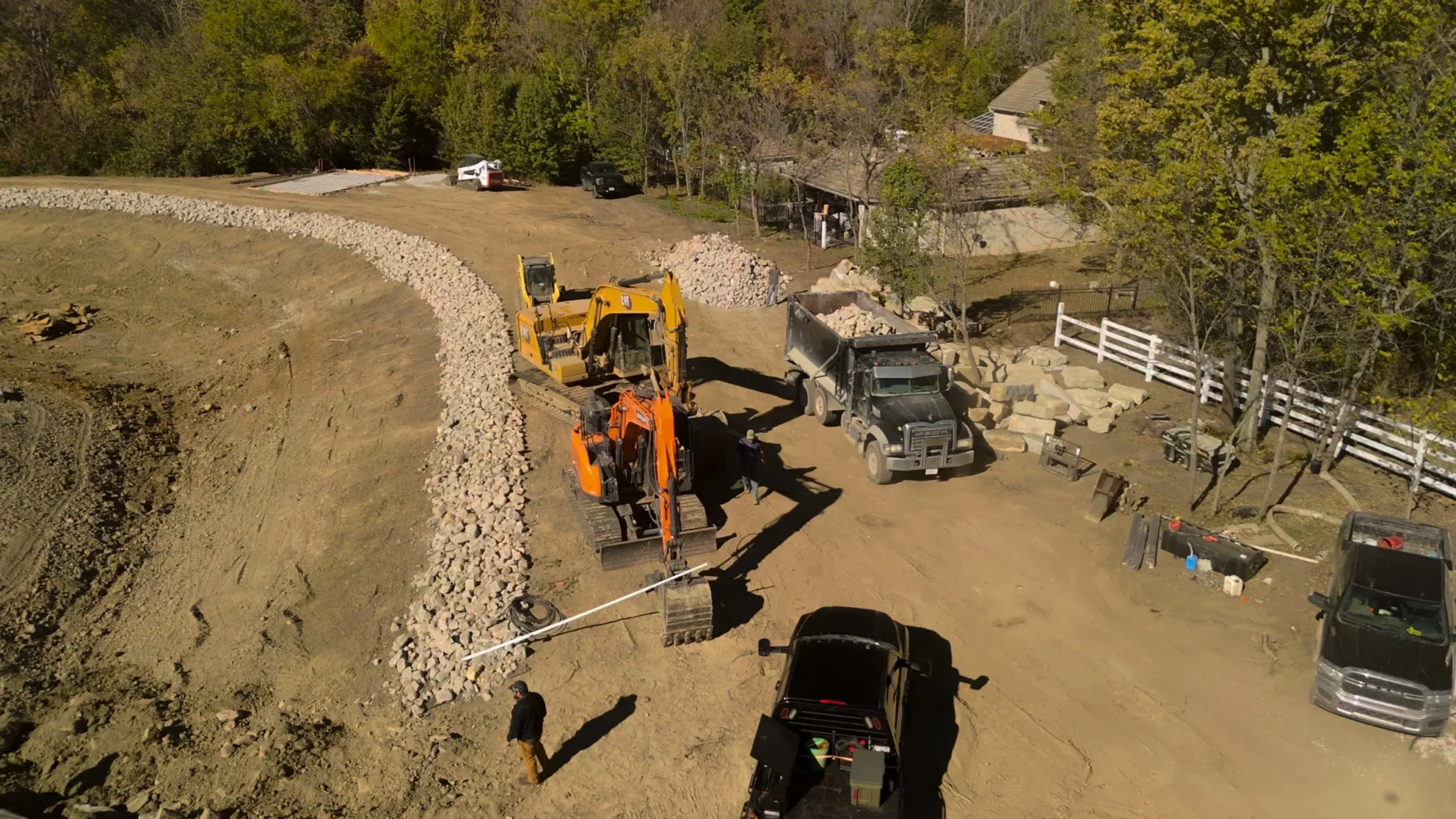
The excavated material became part of the plan. Rather than haul it away, we stockpiled it and resloped it along the back of the property near the fence line. That kept the cost under $20,000 instead of roughly $280,000. Saving money usually means giving something up. Here it did the opposite: the new slopes send more runoff toward the pond, so the material we kept became added watershed feeding the pond.
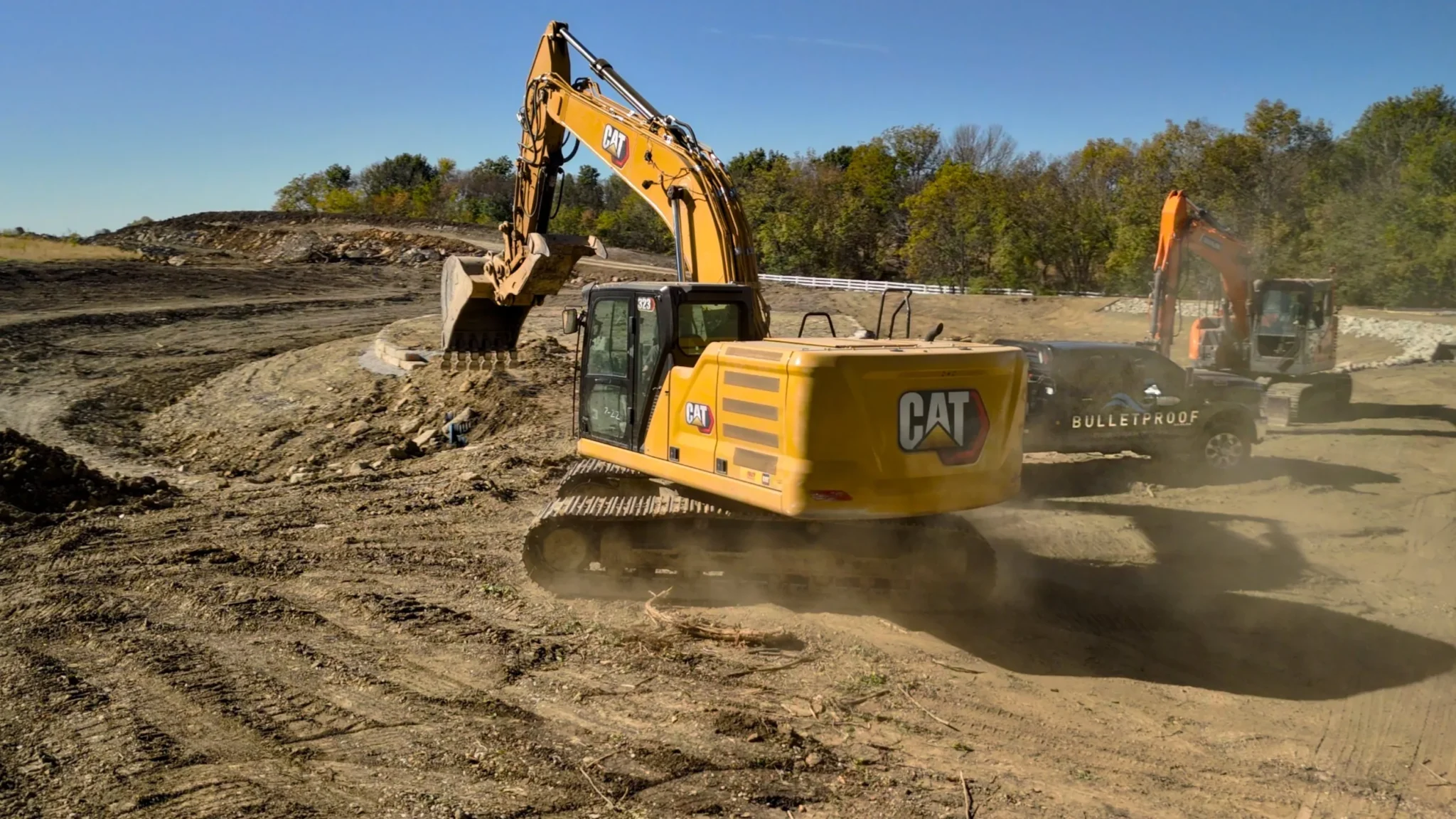
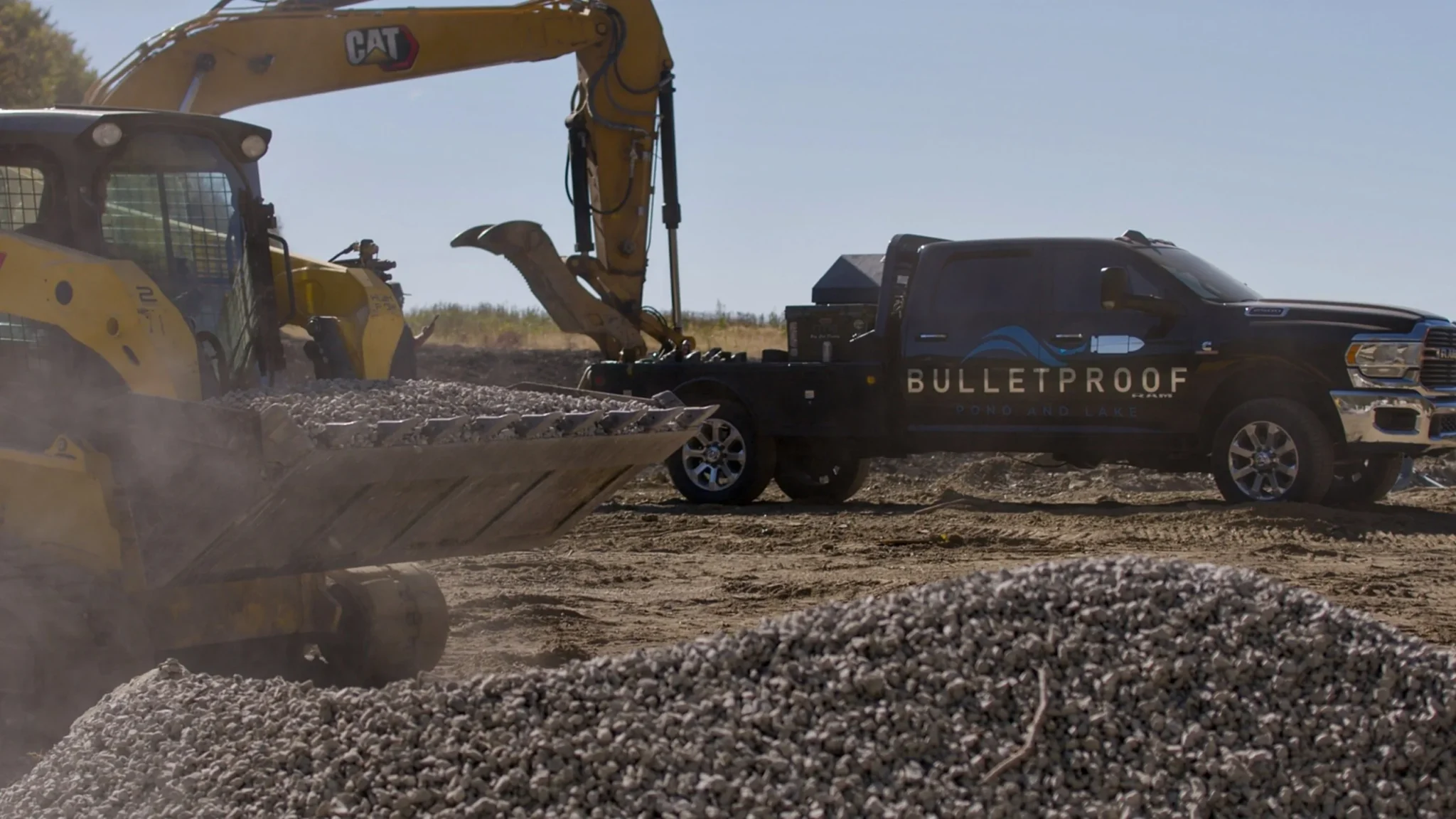
Rock breaking was one of the biggest parts of this build. Because the borings had already mapped where the rock was, the crew knew where to expect it and how deep it ran, and broke through it until the basin matched the design’s depth. GPS grading kept every pass tied to the plan, so the finished bottom reached the full 12 feet where it was designed to, and the project stayed on budget and finished in about two months.
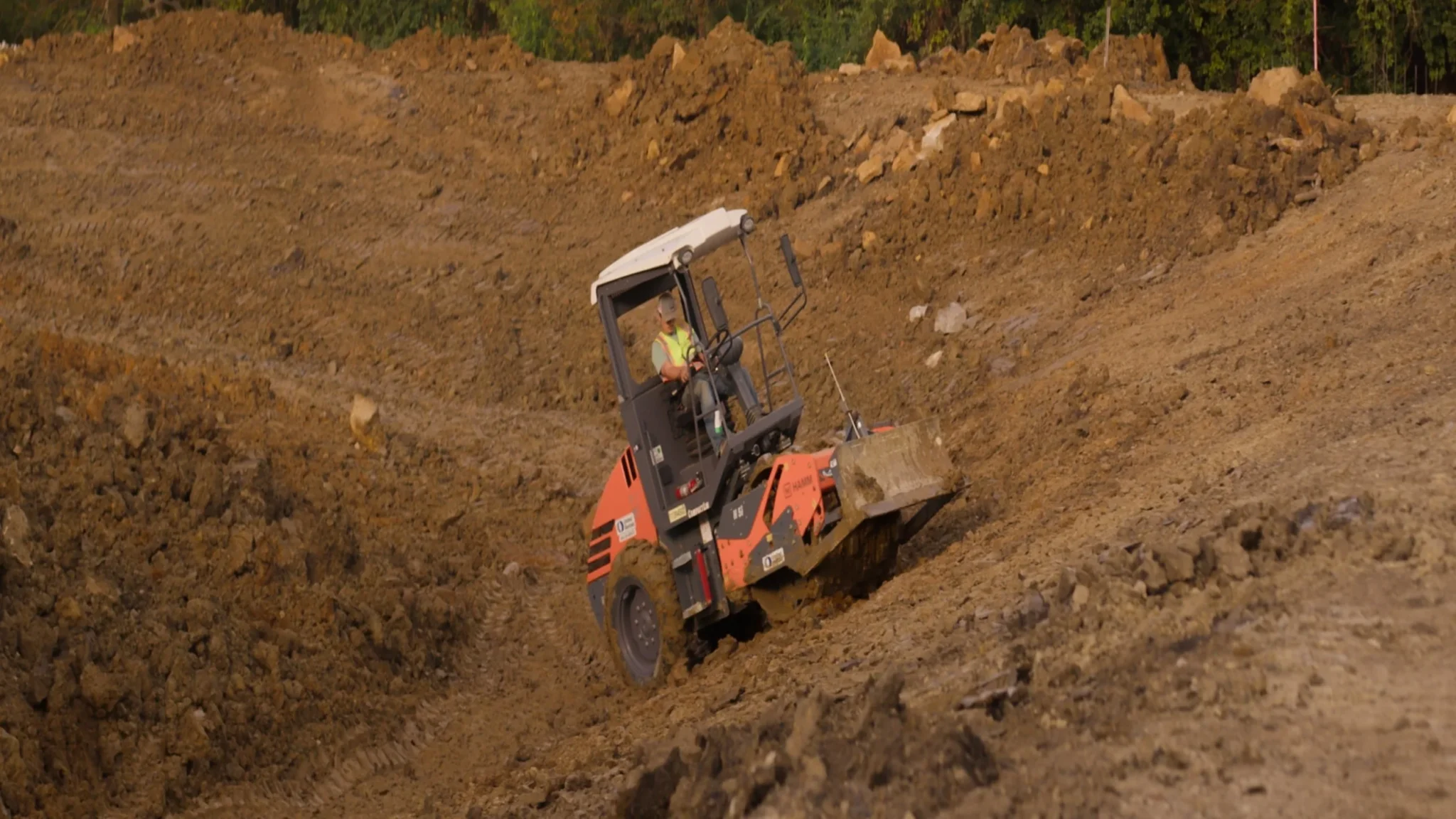
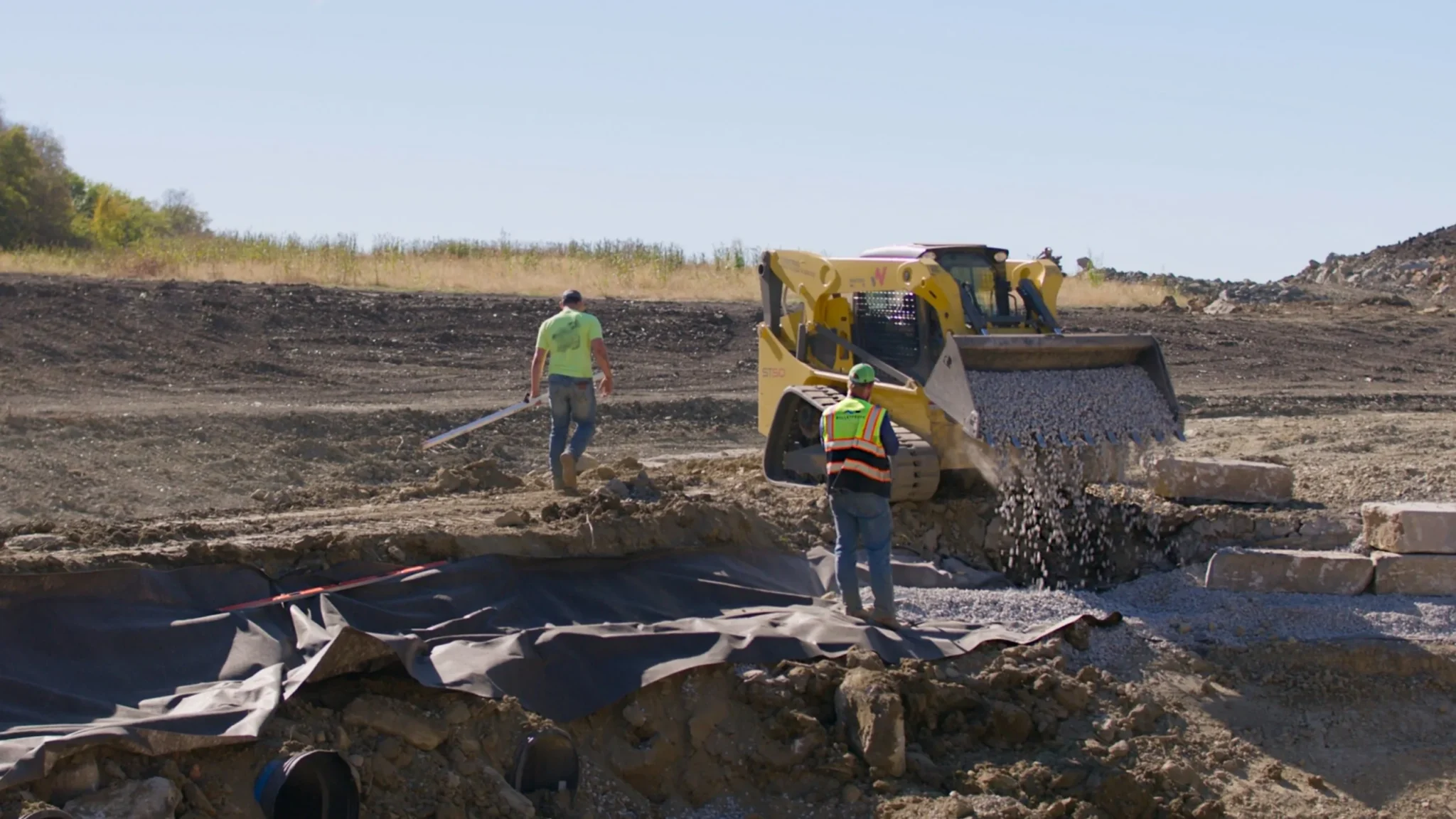
Breaking through rock is only half the job, because fractured rock won’t hold water on its own. Once the basin reached depth, we built it back the right way: a compacted clay core and a clay basin, using material that lab testing at K-State confirmed was suitable before construction ever started. Guessing at soil on-site is one of the riskiest shortcuts in pond building, and it’s a risk we don’t take. Today the pond holds water just as it was designed to, and that kind of up-front risk management is a big part of why our ponds and lakes succeed.
The peninsula was edged in native limestone blocks set to meet the waterline seamlessly. Jim originally wanted limestone around the entire pond too, but chose riprap for the perimeter for now as the more economical option. The walkway leaves that shoreline ready for limestone later. Large limestone blocks also sit around the perimeter as natural benches, a special touch that won’t blow over in a storm the way patio furniture can.
Out of sight, a small overflow pipe runs discreetly to the creek. Where runoff enters, an extensive gravel inlet carries water in cleanly, helping keep silt out of the pond and the bank from eroding. Circulation pipes beneath the peninsula walkway keep water moving through the areas behind it, which helps limit vegetation buildup and keeps the pond clearer. Native rock pulled from the dig was recycled into fish habitat structure on the bottom.
This pond was built for entertaining first and wildlife second, and it shows. A concrete walkway leads from the backyard straight to a timber pergola and dock, so heading out to the water feels like going somewhere, not wading through wet grass at sunrise.
The peninsula is the destination, and it’s where Jim’s love of hosting comes to life. Guests gather at the tiki bar for a freshly crafted drink, sink a putt on the private green and take in the palm tree and larger-than-life sculptures, with nearly every corner of the pond within easy casting distance. Paddle boats and chairs wait at the dock for whoever wants to take the party somewhere else on the water.
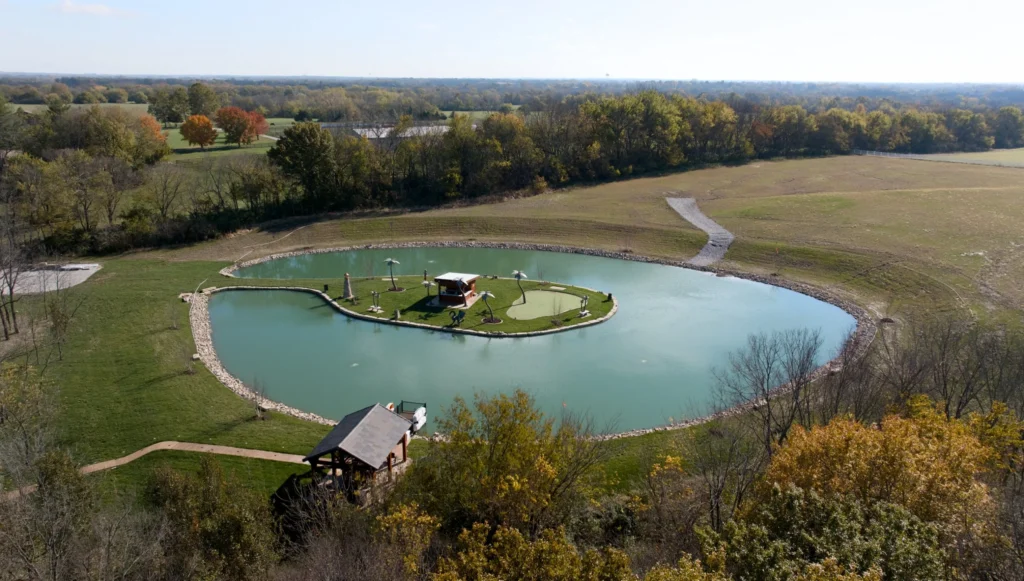
Lighting on the peninsula and around the pond keeps it going after sunset, so the pond is as much a part of a summer night or a winter evening as it is a Saturday afternoon. For a host like Jim, it’s his vision made real, and always ready for the next celebration.
Jim’s backyard already felt like an island getaway. Now the rest of his acreage does too, with the depth he wanted, rock and all. Testing up front turned the rock into a planned investment instead of a change order. The design turned a $280,000 haul-off into usable watershed. And the walkable shoreline gives him room to keep building on the vision, whether that’s limestone around the perimeter or, someday, that waterfall.
This isn’t the end of the story. Jim’s vision is still growing, and we’re looking forward to coming back for whatever comes next. Even as it stands today, it’s a bold, upscale take on what a pond can be in the Midwest, and proof that island living doesn’t need an ocean. Our team calls it the Margaritaville Pond, a nickname that was a big hit when we shared it on social media, but the island beaches Jim loves to visit are his true inspiration. If island living, beach days or a tropical getaway is your style, let it inspire your own. Give us a call and tell us what yours looks like.
Tell us about your vision. We'll tell you what it'll take.