Shore Thing: Big Pond Features That Make a Bigger Impact
Ever feel like your pond looks more like a puddle than a centerpiece?
Wish it had more personality, better fishing, or just something extra?
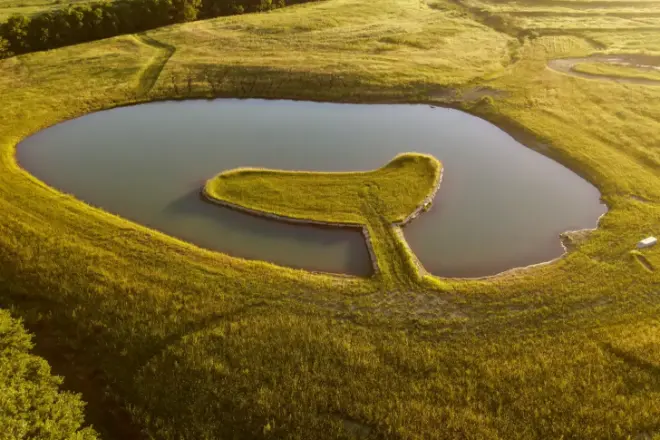
In this post, you’ll learn how adding a peninsula or island to your acreage pond installation can improve beauty, boost biodiversity, and create new ways to enjoy your space.
By the end, you’ll see how one strategic feature can bring serious upgrades to your water quality, property design, and shoreline health.
Curious what that might look like on your land?
Give Bulletproof Pond and Lake a call or fill out our contact form — we’ll help you create a pond worth showing off.
Should You Add a Peninsula or Island to Your Pond?
Adding a peninsula or island to your large pond offers more than just visual charm.
These features introduce new ways to experience the water, from improved habitat and water quality to enhanced recreation and privacy.
Whether you want a focal point for your landscape or more space for fishing and birdwatching, a peninsula or island delivers many benefits for both homeowners and wildlife.
How Peninsulas and Islands Improve Pond Aesthetics
Breaks Visual Monotony
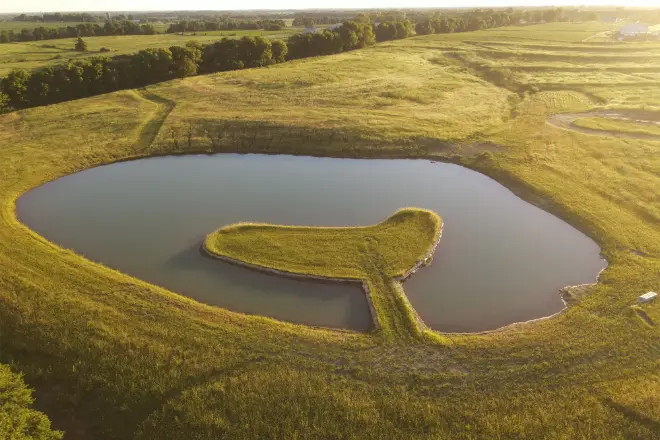
Flat, open water can sometimes feel underwhelming, especially on large acreage ponds.
Adding a peninsula or island introduces natural variation that catches the eye and creates movement across the water’s surface.
These additions can function like a well-placed kitchen peninsula—breaking up space while tying together the overall design.
Peninsulas and islands also open up landscaping possibilities for large acreage ponds, giving you space for shade trees, wildflowers, or stone features.
Just like a kitchen island creates a gathering place indoors, these pond features anchor the outdoor landscape with beauty and purpose.
Enhances Property Design
When positioned intentionally, a peninsula or island complements existing structures and land features.
You can align one with a walking path, extend it toward a fishing pier, or shape it near a dining area or pavilion for scenic views.
The effect is similar to customizing a kitchen layout—you’re balancing form and function for a more polished result.
Even a small peninsula can dramatically change how the pond feels from different angles.
It frames sightlines, balances water-to-land ratios, and elevates your entire outdoor living space.
Supporting Wildlife and Biodiversity
Provides Shelter and Nesting Areas
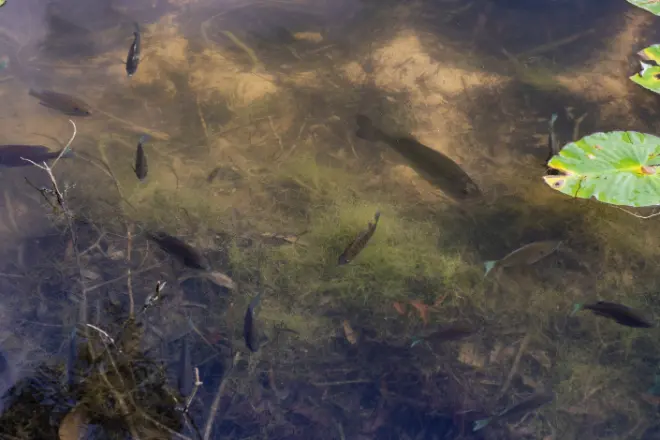
Islands and peninsulas create critical habitat for all kinds of wildlife.
Birds use them to nest away from predators, turtles find safe basking spots, and frogs, fish, and mammals rely on the shallow edges for food and shelter.
They offer just the right mix of structure and safety.
A peninsula or island acts like additional storage—making room for more species in your pond ecosystem without overcrowding.
These features mimic the natural edges that support diverse aquatic life in the wild.
Improves Ecosystem Health
By encouraging native plants and providing balanced cover for wildlife, these features promote long-term pond health.
Like a well-planned kitchen remodel that improves traffic flow, a thoughtfully placed peninsula helps regulate how wildlife and water interact.
You’re not just adding beauty—you’re creating a self-sustaining system that benefits every part of the food chain.
Boosting Water Quality Naturally
Acts as a Buffer Zone
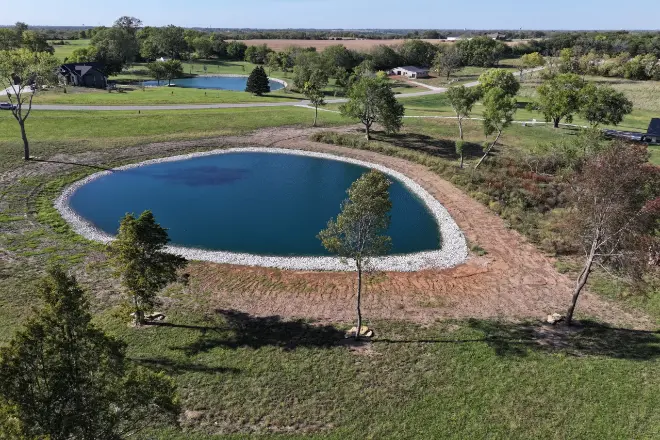
Strategically placed islands can also help manage water quality by filtering runoff and improving flow dynamics.
Vegetated peninsulas and islands slow the flow of stormwater, trapping sediment and filtering runoff before it reaches the main body of water.
This helps reduce algae blooms, especially when the surrounding land is used for farming or landscaping.
Think of it like extra counter space near the sink—catching the mess before it spreads.
Reduces Sediment and Contaminants
These features also help keep floating debris and suspended particles out of circulation by acting as natural baffles.
The plant roots trap unwanted material while stabilizing the soil. This results in cleaner, clearer water—no complicated filtration systems required.
Just like a peninsula kitchen layout controls mess and maximizes prep space, these pond features manage runoff while improving the health of the entire pond.
Expanding Recreational Opportunities
Fishing, Bird Watching, and Boating
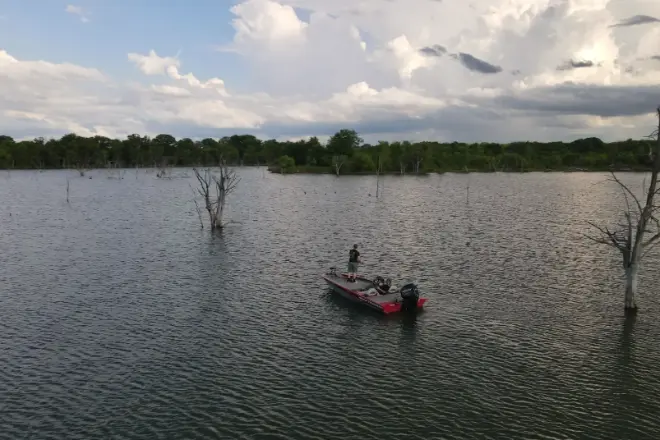
An island or peninsula becomes the ideal casting spot for anglers and a front-row seat for bird watchers. Paddle boats and kayaks can navigate around it for added exploration.
It’s similar to adding a breakfast bar—just another way to bring people together in a space they already love.
Secluded Spaces for Relaxation
Want to step away from the house and unwind? A quiet peninsula offers privacy for reading, reflection, or picnicking under a shade tree. It’s like finding the perfect corner of your family room—tucked away, yet still connected to the heart of the action.
These spaces feel intentional and peaceful, offering retreat without needing to go far.
Helping with Shoreline Erosion Control
Acts as a Wind and Wave Barrier
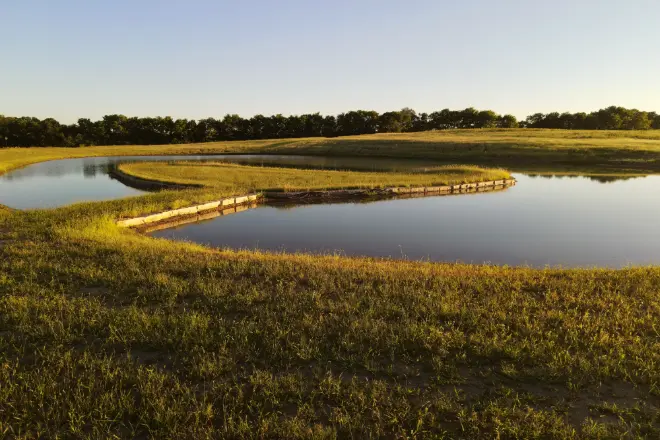
Islands and peninsulas break up wave patterns and absorb the brunt of wind-driven water movement. This reduces shoreline erosion and protects banks from long-term wear.
It’s like adding the right cabinetry to a kitchen wall—keeping things sturdy, supported, and long-lasting.
Supports Vegetation That Stabilizes Soil
With the right soil and plants, these features support deep-rooted vegetation that holds the shoreline together. The result is a more durable edge that resists seasonal runoff and keeps sediment in place.
This added strength is essential for maintaining both aesthetics and pond structure over time.
Creating Natural Privacy

Visual Screening
Breaking up wide open views with a peninsula or island adds a sense of privacy. You can block sightlines from the road, nearby properties, or other parts of your land.
It’s like separating your dining room from the kitchen—same area, different feel.
Sound Buffering
Well-vegetated pond features can also dampen sound, especially from wind or nearby traffic. This creates a more peaceful, nature-focused experience without distractions.
Whether you’re fishing or just listening to the birds, the quiet makes everything more enjoyable.
Things to Consider Before Building
Design and Placement
Every pond is different, so the design must match the size, shape, and goals of your property. Think about where you’ll place the feature, how it interacts with water flow, and whether it changes recreational use.
In a way, it’s like planning a kitchen renovation—you need to consider traffic flow, prep space, and how each new element fits with your existing layout.
Soil and Construction Materials
Use materials that resist erosion and stay firm over time. This often includes clay core, gravel, and compacted soil layers, followed by topsoil and native plantings.
Without the right base, your peninsula could erode faster than expected—much like countertops without proper support.
Permitting and Environmental Regulations
Depending on your location, building a peninsula or island might require permits from state or local agencies or a Stormwater Pollution Prevention Plan (SWPPP) for the EPA.
You’ll need to evaluate the impact on wetlands, wildlife, and downstream water systems.
Check the permitting process for pond construction first to avoid delays.
Local guidelines will determine what’s allowed and how you should build.
Build Your Dream Pond Feature with Bulletproof Pond and Lake
Now you know how a well-placed peninsula or island can elevate your large pond—adding beauty, improving water quality, attracting wildlife, and creating more space for quiet recreation or family fun.
Whether you want a fishing peninsula or a tree-covered island, these custom pond features add both personality and performance.
If you’re ready to design the perfect pond addition, the pond builders at Bulletproof Pond and Lake have the experience and equipment to handle the job from start to finish.