Dive into Nature: Build Your Own Wildlife Pond
Ever thought about transforming your backyard into a thriving haven for local wildlife? Or maybe you’re looking for a way to add natural beauty to your property while supporting the local ecosystem?
Building a wildlife pond is an excellent way to do just that.
In this guide, you’ll discover the step-by-step process for creating a wildlife pond that attracts and sustains a diverse range of species, from frogs and dragonflies to waterfowl and native plants.
By the end, you’ll be well-equipped to craft a stunning wildlife pond that enhances your landscape and nurtures the environment. And if you are looking to install an acreage wildlife pond, Bulletproof Pond and Lake can help!
1. Site Selection and Preparation
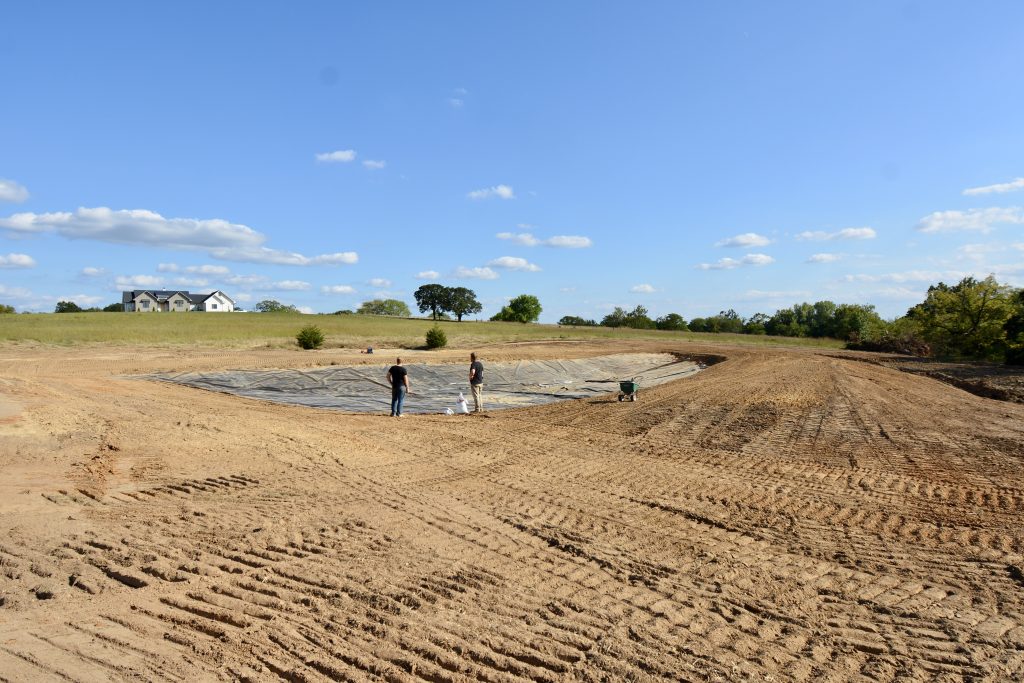
Choosing the right location and preparing your site are crucial steps in building a successful wildlife pond.
Let’s look closer at the key factors to consider, ensuring your pond is perfectly positioned to support local wildlife and blend naturally into your landscape.
Choosing the Right Location
The placement of your wildlife pond can significantly impact its effectiveness and the variety of species it attracts.
Selecting a site that meets specific criteria will ensure the pond thrives.
Bulletproof Pond and Lake always performs a topographical survey to help you select the optimal site for your pond.
- Ideal Pond Sites: Look for a spot that receives full sun for at least half of the day. Sunlight is essential for the growth of aquatic plants, which provide oxygen and shelter for wildlife. Follow the link for more guidance on choosing the right spot for your pond.
- Safety Considerations: Position the pond in an area that is safe for children and pets. You may want to consider fencing or other barriers to prevent accidents, especially if the pond is deep or located near high-traffic areas.
Soil Sampling Considerations
Understanding the soil characteristics of your chosen site is essential for building a durable and effective wildlife pond.
Proper soil preparation ensures that the pond retains water and supports a healthy environment.
Here at Bulletproof Pond and Lake, we take multiple soil samples at various locations to evaluate the soil and ensure your pond will last.
- Soil pH: Test the soil pH around your pond site. A balanced pH level helps plants grow and ensures that the water remains suitable for aquatic wildlife. Adjust the soil as needed to maintain a pH level between 6.5 and 8.5, which is ideal for most native plants and pond inhabitants.
- Soil Clay Content: Evaluate the soil’s clay content, as high clay levels help the pond retain water. If your soil lacks enough clay, consider lining the pond with a pond liner or amending the soil with clay-rich material. This step is particularly important to prevent water seepage and maintain a consistent water level.
By carefully selecting the site and preparing the soil, you’ll set a strong foundation for your wildlife pond, ensuring it becomes a thriving habitat for many creatures in your Kansas City backyard.
2. Designing Your Wildlife Pond
Designing your wildlife pond is all about creating a space that not only looks natural but also supports a diverse range of species.
Keep reading to discover the essential elements of pond design, helping you craft a thriving habitat that blends seamlessly with your Kansas City landscape.
Determining the Size, Shape, and Depth
The size, shape, and depth of your pond are critical factors in ensuring it can sustain a variety of wildlife and plants.
- Pond Size and Depth: Create a pond with varying depths to accommodate different species of aquatic wildlife. Shallow areas are ideal for marginal plants and amphibians, while deeper sections help maintain stable water temperatures and provide habitat for fish and other aquatic creatures. Even a small pond can make a significant difference if designed thoughtfully.
- Shape and Layout: Natural ponds typically have irregular shapes with gentle curves that blend into the surrounding environment. Incorporate shelves and ledges at different levels around the pond edge to support diverse plant life and offer safe zones for young amphibians and small creatures.
Incorporating Features for Wildlife
Adding specific features to your wildlife pond will enhance its appeal to local species and help create a balanced ecosystem.
- Native Plant Selection: Choose Kansas native plants like spiderwort, beardtongue, and prairie dropseed to provide food and shelter for wildlife. These plants are well-suited to the Kansas climate and will thrive with little maintenance. Native aquatic plants like water lilies and floating plants help oxygenate the water and offer shade for fish and other aquatic wildlife.
- Creating Habitat Zones: Designate areas within the pond for different types of habitat. Include shallow, muddy areas for amphibians to breed, large flat stones for basking frogs, and submerged plants to protect dragonfly nymphs and emerging larvae. Adding plants along the pond edge will benefit wildlife by creating safe, sheltered spaces for nesting and feeding.
- Wetland Development: Surround the pond with a wetland area, which serves as a natural filtration system and provides a rich habitat for many creatures. Wetlands support a variety of plants, insects, and birds, enhancing the overall biodiversity of your pond.
With careful planning and the right design features, your wildlife pond will become a vibrant ecosystem that supports a wide array of species, from frogs and dragonflies to birds and native plants.
3. Building the Pond
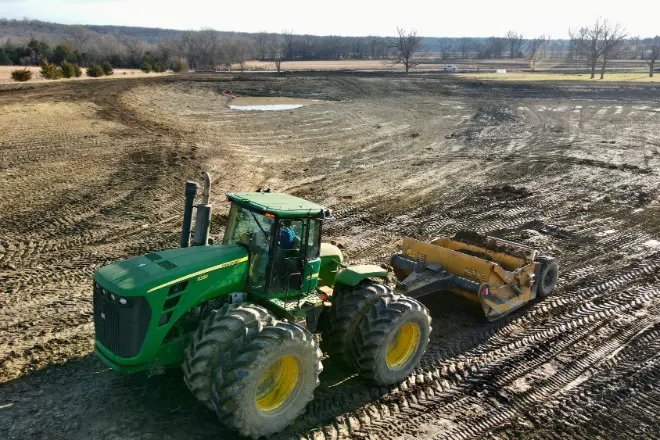
Constructing your wildlife pond is where your vision starts to come to life.
Whether you’re working on a large or small pond, these steps will guide you through the process to ensure a sturdy and functional habitat for wildlife.
Excavation Process
The excavation stage is crucial in shaping your pond and setting the foundation for a thriving ecosystem.
Follow the link to understand the importance of professional pond excavation.
Proper planning and execution during this phase will determine the pond’s overall success.
- Digging the Pond: Begin by marking out the shape and size of your pond. For smaller wildlife ponds, you can use a backhoe, excavator, or even a shovel. Larger ponds will require more robust equipment, such as a scraper system, to achieve the desired depth and shape. Be sure to create shelves and ledges at varying depths to accommodate different species of aquatic plants and wildlife.
- Managing Soil and Spoil: As you dig, you’ll need to manage the excavated soil efficiently. Use this soil to create natural landscaping features around the pond, such as raised planting areas or gentle slopes leading to the pond edge. Avoid piling soil too close to the pond, as this can lead to erosion and muddy areas during heavy rains.
Lining and Sealing the Pond
Ensuring your pond holds water effectively is essential for its long-term health and sustainability.
Depending on your soil type and pond size, different lining methods may be appropriate.
- For Large Wildlife Ponds: If you’re working with a large pond, you may rely on the natural clay content of the soil to seal the pond. Constructing an earthen dam with a clay core can also help ensure the pond remains structurally sound and watertight. If the soil lacks sufficient clay, consider adding a clay lining to enhance water retention.
- For Smaller Ponds or Specific Situations: Installing a pond liner, such as PVC or rubber, is often the best option for smaller ponds or areas with porous soil. When using a pond liner, ensure it conforms to the pond’s shape without wrinkles or gaps. Secure the liner with large rocks or soil around the pond edge to keep it in place.
- Sealing and Testing: Once the liner is in place, fill the pond slowly with rainwater or another natural water source to test for leaks. Monitor the liner as the pond fills to ensure it settles correctly, and adjust the edges as needed to create a seamless transition between the pond and the surrounding landscape.
Filling the Pond
Filling your new wildlife pond is a gradual process that requires careful attention to detail to protect the pond’s integrity and support a healthy environment.
- Water Source Options: Whenever possible, use rainwater to fill your pond, as it’s free of chemicals and closer to the natural water that wildlife prefers. If rainwater isn’t an option, consider collecting water from a nearby stream or natural spring. Avoid using tap water, as it often contains chlorine and other chemicals that can harm aquatic wildlife.
- Gradual Filling Process: Fill the pond slowly, allowing the liner or clay lining to settle properly. This gradual approach helps prevent damage to the liner and ensures a stable foundation for the pond water. As the pond fills, continue to monitor for any signs of leaks or issues with the liner’s placement.
By following these steps, you’ll create a sturdy and leak-proof wildlife pond that provides a safe and sustainable environment for local wildlife in Kansas City.
Whether you’re building a large or small pond, attention to detail during construction will ensure your pond thrives for years to come.
4. Finishing Touches and Landscaping
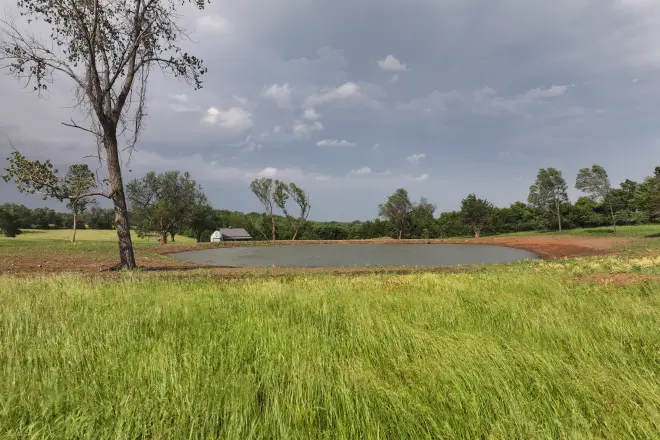
With your pond constructed and filled, it’s time to focus on the finishing touches that will enhance its natural beauty and functionality.
Proper landscaping around your wildlife pond not only creates a visually appealing space but also provides essential habitat for local wildlife.
Creating Natural Edges
Blending your pond seamlessly into the surrounding landscape is key to creating a natural look that supports wildlife.
- Using Rocks and Plants: Incorporate large rocks and various plants around the pond edge to create a natural transition from water to land. This approach helps stabilize the pond banks, preventing erosion and offers shelter for small wildlife. Additionally, rocks placed along the edge of the pond create basking spots for frogs and other pond animals.
- Adding Features for Aesthetics and Functionality: For smaller ponds, consider adding elements like small waterfalls or moving water features to enhance the pond’s aesthetic appeal while also promoting water circulation. These features keep the water clean by reducing the buildup of algae and providing oxygen to fish and other aquatic life. Follow the link to explore the custom pond features for acreage wildlife ponds.
Planting Around the Pond
Carefully selecting and positioning plants around your pond is essential for creating a balanced ecosystem and attracting various species.
- Aquatic and Marginal Plants: Adding plants like flowering rush and water starwort not only enhances the beauty of your pond but also benefits wildlife. Marginal plants, such as bog plants and soft rush, grow at the edge of the pond, providing shelter and nesting sites for birds, frogs, and insects. These plants also play a crucial role in maintaining clean water by filtering out pollutants.
- Ground Covers and Grasses: Use low-growing plants and grasses around the pond to prevent soil erosion and provide cover for small wildlife. Pea gravel can be used around the edge of the pond to create a stable walking surface that blends naturally with the landscape.
By thoughtfully landscaping around your wildlife pond, you’ll create a welcoming environment that supports a diverse range of plants and animals.
These finishing touches not only enhance the visual appeal of your pond but also ensure it remains a thriving habitat for years to come.
5. Attracting and Managing Wildlife
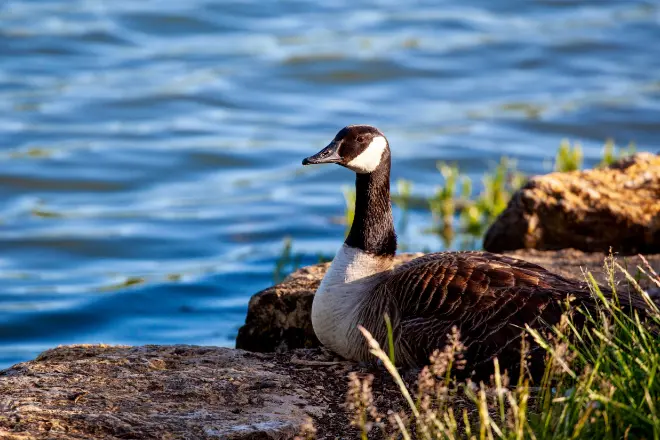
Once your wildlife pond is built and landscaped, the next step is to encourage the natural colonization of wildlife and manage the habitat to maintain a balanced ecosystem.
Natural Colonization
Allowing wildlife to naturally discover and inhabit your pond is the best way to create a balanced and sustainable environment.
- Encouraging Wildlife: Your new wildlife pond will soon attract various species, including frogs, insects, and birds. It’s essential to let this process happen naturally without artificially introducing species. The diverse habitats created by your pond’s plants, rocks, and water features will encourage a wide range of local wildlife to make your pond their home.
- Creating a Safe Habitat: Ensure your pond is accessible and safe for wildlife by incorporating features like shallow entry points and gentle slopes. These areas allow animals like frogs and birds to easily access the water and find nesting sites nearby.
Long-Term Wildlife Management
To keep your pond thriving, ongoing management is necessary to support the local ecosystem and prevent issues such as overpopulation or the introduction of invasive species.
- Monitoring Species: Regularly check your pond for signs of invasive species, such as non-native plants or aggressive pond animals, that could disrupt the habitat. If invasive species are detected, take steps to remove them promptly to protect the balance of your pond.
- Seasonal Care: For smaller ponds (less than a .25 acre size), you may need to adjust your pond management practices based on seasonal changes. In hot weather, ensure your small pond doesn’t dry out by monitoring water levels and topping it off if needed. During winter, you may need to take steps to prevent a small pond from freezing over completely, providing areas where wildlife can still access water. Larger acreage ponds do not need to be managed in this way since they are large enough to handle the natural cycles of the seasons.
By fostering natural colonization and maintaining careful management practices, your wildlife pond will continue to be a vibrant, self-sustaining habitat that supports a wide variety of species year-round.
6. Maintaining Your Wildlife Pond
Regular maintenance is essential to ensure your wildlife pond remains a healthy and thriving ecosystem throughout the year.
This section outlines the key practices you need to keep your wildlife pond in optimal condition, making it a safe and welcoming environment for all its inhabitants.
Regular Maintenance
Ongoing care is crucial for maintaining the balance of your wildlife pond, ensuring clean water and a vibrant habitat for plants and animals.
- Water Quality Monitoring: Regularly check the water quality of your pond by testing the pH levels and observing the clarity of the water. Maintaining balanced water conditions helps prevent issues like algae overgrowth and keeps the pond habitable for fish and other aquatic life.
- Algae Control: Algae can quickly take over if not managed properly. Introduce aquatic plants to naturally control algae by providing shade and absorbing excess nutrients. If algae become a problem, consider adding barley straw, which is a wildlife-friendly way to keep algae growth in check.
- Debris Removal: Fallen leaves, branches, and other debris can accumulate in your pond, especially during the fall and winter months. Regularly remove this debris to prevent it from decomposing and affecting water quality. This practice is typically unnecessary for larger wildlife ponds where the impact of natural debris is minimal.
Sustainable Practices
Implementing sustainable practices will help you maintain a wildlife-friendly pond that supports a diverse range of species year-round.
- Natural Filtration Systems: Encourage a healthy pond ecosystem by using natural filtration methods, such as planting marginal and aquatic plants around the pond. These plants help filter out impurities and maintain clean water without the need for chemical treatments.
- Winter Care: As winter approaches, smaller ponds may require winterization steps to protect their inhabitants. Larger acreage ponds do not require winterization. Ensure that some areas of the pond remain ice-free to allow oxygen exchange, which is vital for fish and other aquatic creatures. A simple pond heater or aerator can prevent the entire surface from freezing over.
By following these maintenance tips, your wildlife pond will continue to be a flourishing environment that supports various plants and animals.
Regular attention and sustainable practices will keep your pond healthy and vibrant, no matter the season.
Elevate Your Landscape with a Wildlife Pond from Bulletproof Pond and Lake
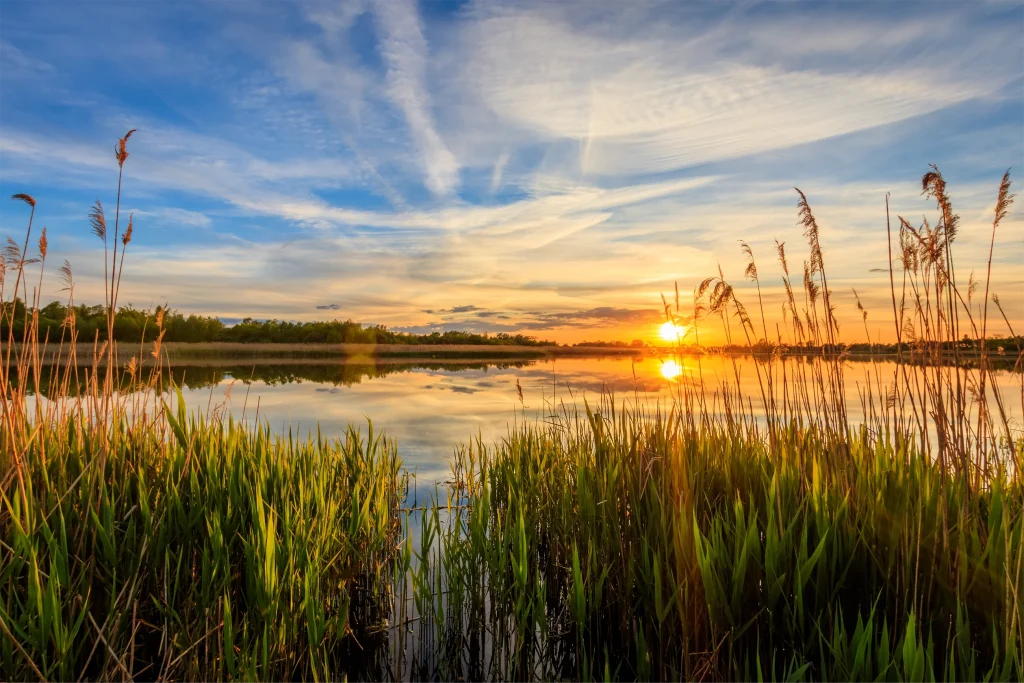
Building a wildlife pond is one of the most rewarding ways to enhance your property.
It creates a thriving habitat for local wildlife while adding natural beauty to your landscape.
From site selection and design to ongoing maintenance, this guide has provided you with the tools and knowledge to create and sustain a healthy pond ecosystem.
However, the complexity of installing a wildlife pond can be overwhelming, especially on a larger scale.
That’s where Bulletproof Pond and Lake comes in, offering expert services to ensure your acreage wildlife pond is built to perfection and tailored to your unique needs.
Ready to transform your property with a custom wildlife pond?
Fill out our contact form today, or give us a call!